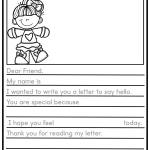
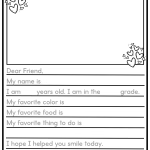
This guide is for parents, teachers, and children looking for an easy way to write cheerful letters to care home residents using our free care home letter template for kids. Letter writing to seniors not only helps recipients feel cared for, but also allows children to practice key literacy skills such as handwriting, vocabulary, and self-expression. Engaging in letter writing allows our children to express their creativity and learn to communicate their thoughts and feelings effectively, while building empathy and kindness. Both of which, as a therapist, are really important to me.
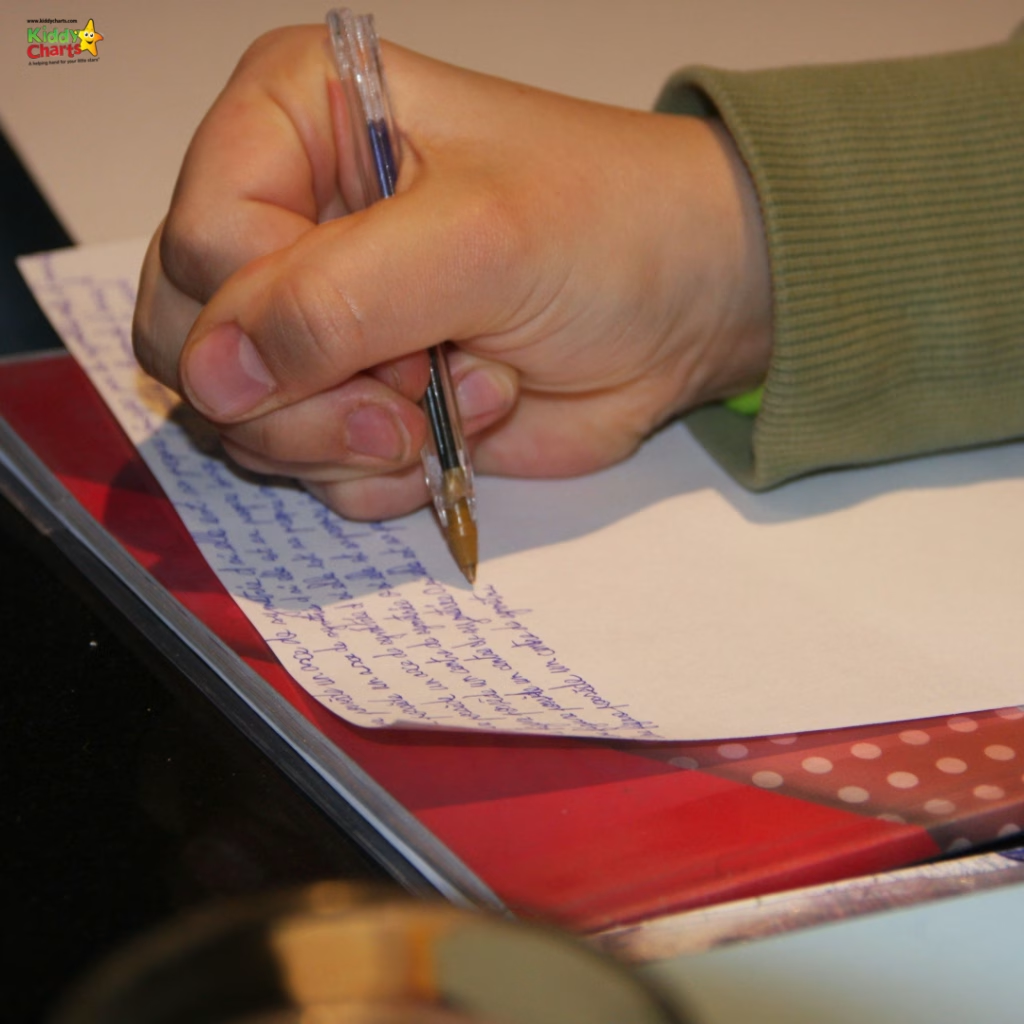
There is something truly wonderful about receiving a handwritten letter. Handwritten letters carry a special, personal touch that can brighten the day of a family member or even a stranger. For many elderly people living in care facilities, a cheerful note or a colourful drawing can completely turn their day around. We know that children have an incredible capacity for kindness, and sometimes they just need a little gentle guidance to help them express it.
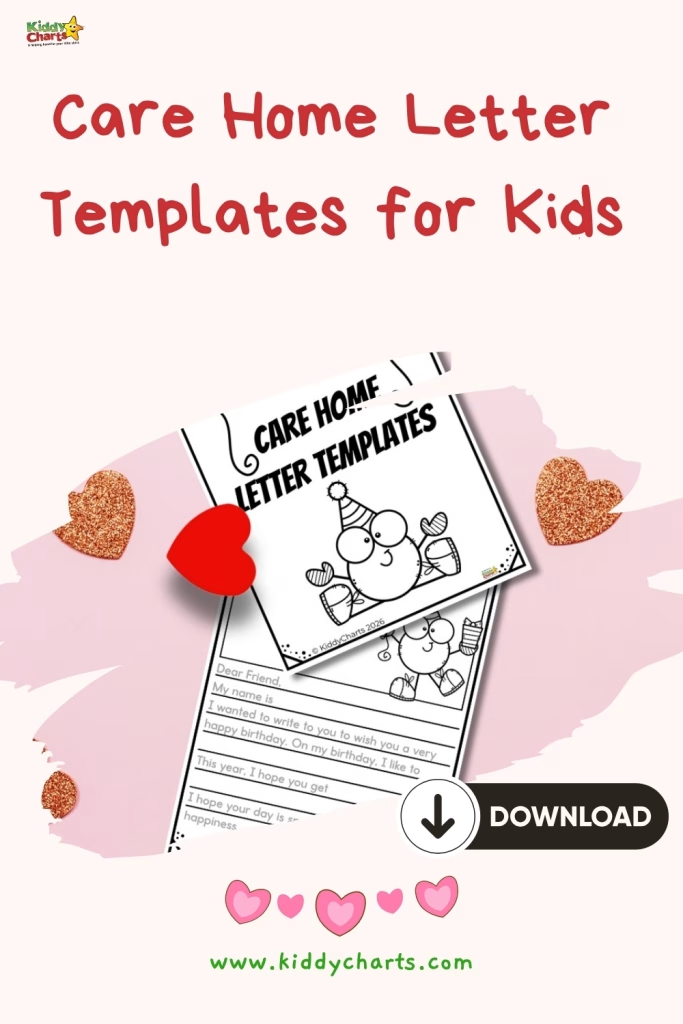
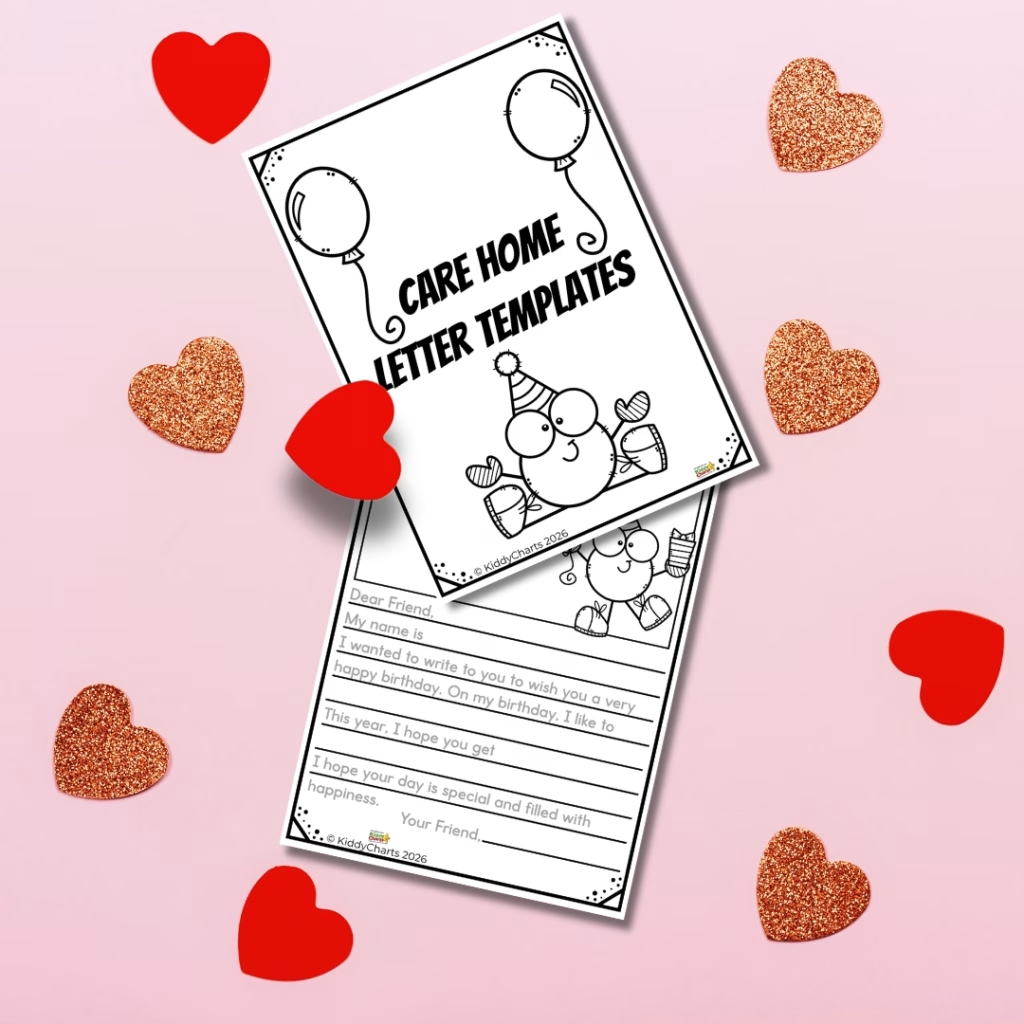
That is exactly why we have put together this lovely care home letter template for kids. A letter template is a structured guide that helps children express themselves and encourages them to write notes of encouragement to others, especially those in care facilities. Templates can make it easier for children to write letters by providing prompts and structured formats, and often include sections for children to draw pictures or add personal touches. This template is designed to encourage kids to participate in creative letter writing, providing inspiration for children to express themselves through words and art. It takes away the pressure of staring at a blank page and makes reaching out to a new friend fun, simple, and deeply rewarding. This pressure can be a lot for some children, particularly ADHDers who executive function skills, including initiation, might take a little longer to develop.
Whether you want to build a little more empathy into your daily routine or you are looking for a meaningful writing activity, sending letters to a care home is a brilliant place to start. Letter writing supports children’s mental health and creativity, and helps build empathy and literacy skills. Let’s look at how you can use these lovely templates to help children connect with their community and share a little bit of sunshine.
The magic of handwritten letters to a care home
Benefits for our older people and seniors
Connecting younger generations with older ones brings enormous benefits to everyone involved. For seniors and adults living in nursing homes, receiving post from a child offers a wonderful sense of connection to the outside world. Many residents have lost loved ones or relatives and may feel stuck or bear loneliness, so a letter can help ease these feelings.
In addition, the receipt of a letter can break up the day, bringing back fond memories of their own childhoods, and even shows them that they are valued and remembered by their local community.
Benefits for our children
For children, writing these letters to loved ones, relatives, or even strangers is a fantastic way to develop empathy and brighten someone’s day. It helps foster gratitude and encourages them to think about people outside their immediate circle of family and friends. It also gives their writing a clear, meaningful purpose. When children know that their words are going to make a real person smile, they can even put so much more heart into the activity.
They also get to practise essential skills without it feeling like a chore. Handwriting, spelling, sentence structure, and creative expression all come into play. It is a gentle, pressure-free way to encourage communication skills while doing something genuinely lovely for someone else.
Tips for writing
Best practices for writing include starting with a warm opening like “Dear Friend” or “Hello!”, writing as legibly as possible, using only their first name, and focusing on cheerful topics such as pets, hobbies, or school.
Children could conclude their letters with a kind wish and sign off with a friendly closing phrase, including their first name, age, and where they are writing from.
Organizations like Love For Our Elders and Letters Against Isolation help connect children with seniors for letter writing, providing structured opportunities to combat loneliness among the elderly.
Key elements to include in a care home letter template for kids:
It can be hard to really know where to start, so alongside the above advice, here is a quick checklist for you as well:
- Start with a warm opening (e.g., “Dear Friend” or “Hello!”),
- Write as legibly as possible for easier reading,
- Use only your first name; avoid sharing personal information,
- Focus on cheerful topics such as pets, hobbies, school, or favorite subjects,
- Avoid sad topics and maintain a positive tone,
- Include your favorite things, small joys, or what makes you happy,
- Ask gentle questions (e.g., about favorite games, books, or memories),
- Conclude with a kind wish and a friendly closing phrase,
- Maybe add some creative elements like drawings, colorful decorations, or stickers, and
- Include your age and where you are writing from.
Now that you know the benefits, let’s explore how to make the most of our letter writing templates.
Making the most of our care home letter writing templates for kids
Using the templates
Sometimes, the hardest part of writing a letter is simply knowing how to begin. A completely blank piece of paper can feel a bit overwhelming for young children, especially when they are writing to someone they have never actually met. Our free letter writing templates printable for kids and other letter templates are helpful resources for kids. We do offer loads of printables and free resources that can be used in school or classroom settings to make this process and other classroom activities, easier and more enjoyable. Why not check everything out?
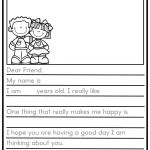
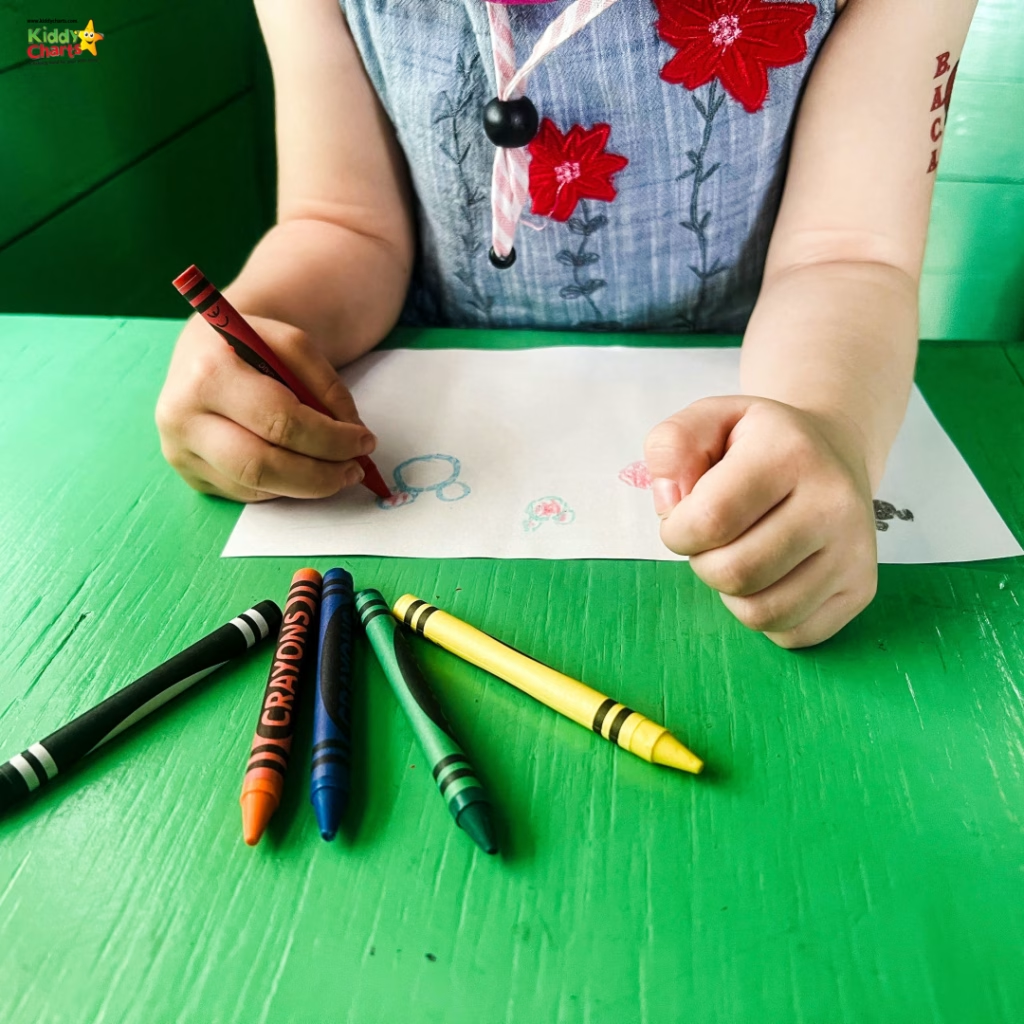
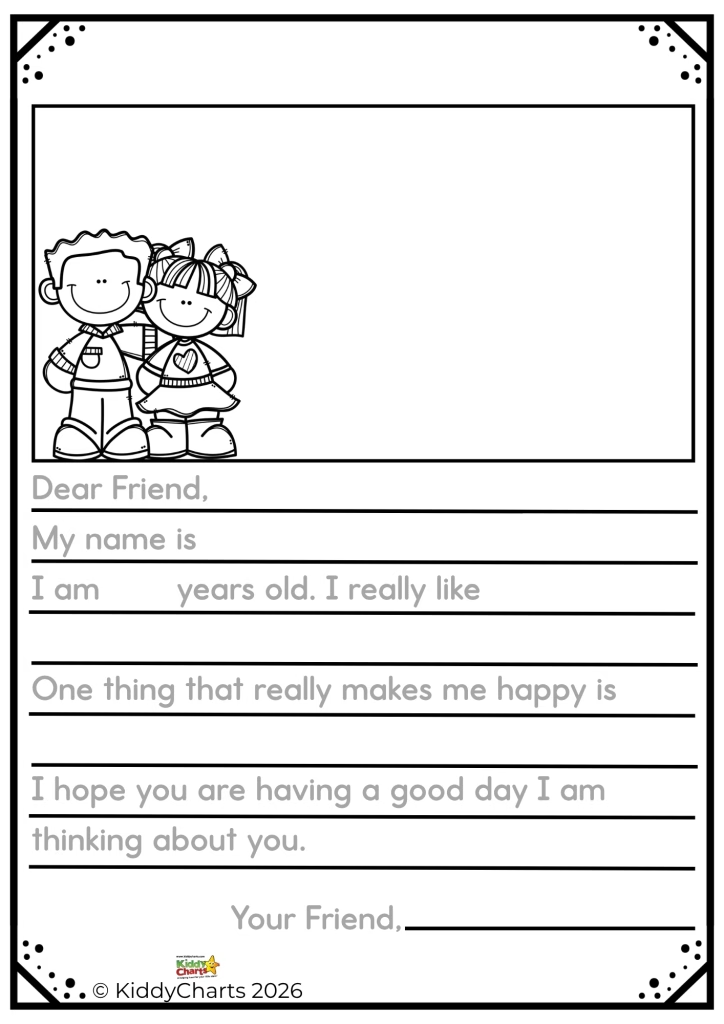
Our care home templates for kids, some use simple fill-in-the-blank prompts to get those creative juices flowing. By giving children a structured starting point, they can focus on sharing their favourite things and drawing beautiful pictures rather than worrying about formatting a letter. Our templates for older kids, mean they can use our checklist, and be a bit more freeform. Many letter writing templates also include sections for children to draw pictures or add personal touches, making the letters more engaging for both the writer and the recipient.
Classroom ideas
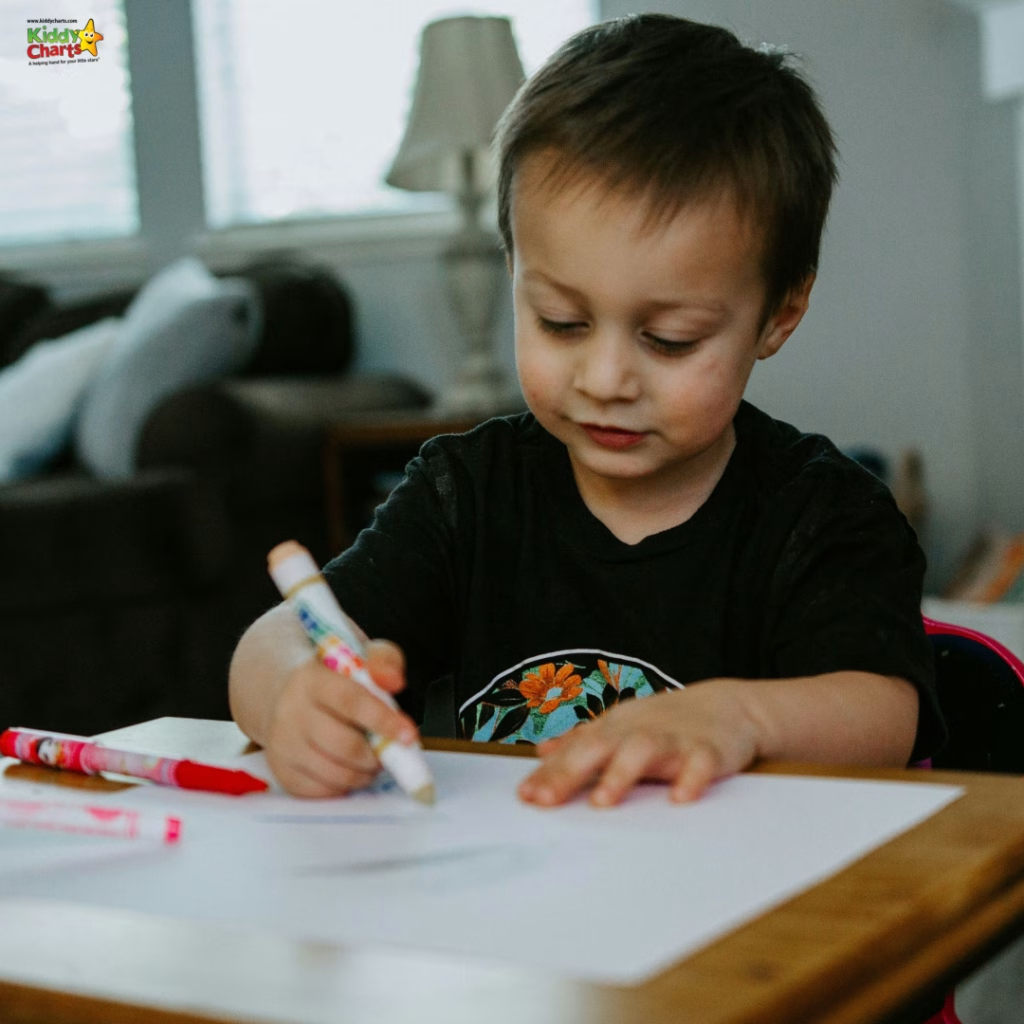
You can easily adapt this activity to suit whatever environment you are in. If you are sitting around the kitchen table on a rainy Saturday, you might print off a few different designs, get the felt tip pens out, and spend a cosy hour chatting about what makes the children happy. You can talk together about what a resident might like to read and let the children take their time decorating the borders.
If you are guiding a larger group of children through a literacy activity, these templates work brilliantly as an independent task. Teachers can encourage students to participate in letter writing as a service activity, helping them connect with others and give back to the community. You could set up a dedicated writing station with a post box for finished letters, or pair the activity with community and kindness-themed activity sheets to deepen the discussion. Spend a few minutes discussing the importance of kindness in the community, and then let the children choose which template appeals to them most. Reviewing their letters allows children to reflect on their progress, creativity, and the impact of their words. Because the prompts are already there, children can work at their own pace with minimal supervision, making it a wonderful, calm activity for a Friday afternoon.
Ready to make your letters even more extra special? Let’s look at some fun ideas to bring your letters to life.
Fun ideas to encourage kids and bring the letters to life
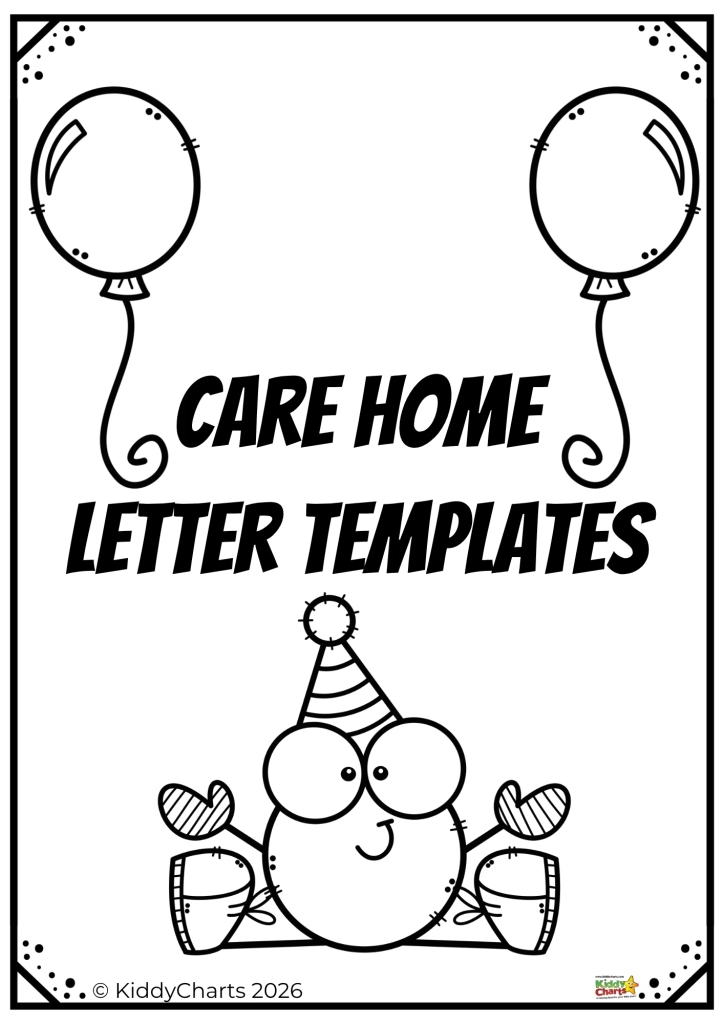
Writing letters is a fun activity that helps kids create meaningful notes for others. Here are a few ways to make the writing process even more engaging:
- Talk about shared interests: Prompt the children to think about what they have in common with older generations. If a child loves reading, suggest they write about their favourite book or use a belonging for kids printable activity to explore the people and places that make them feel connected. A resident might just love the same stories.
- Use stickers and stamps: Let children personalise their letters with bright stickers, colourful stamps, or even a bit of biodegradable glitter. Tactile additions make the letters wonderful to hold and look at, and you can pair them with other free printable reward charts and resources for kids to celebrate their efforts.
- Include jokes or riddles: Children love sharing jokes. Adding a clean, silly joke to the bottom of their letter is a surefire way to get a giggle from the recipient, just as using kindness note cards for kids can turn simple messages into powerful little acts of kindness.
- Ask gentle questions: Encourage older children to add a question or two at the end of their template. Things like “What was your favourite game to play when you were my age?” can spark lovely internal memories for the residents, even if they cannot write back. You might also encourage children to create or enclose printable thank you cards so they can express gratitude to staff or residents who respond.
- Write to strangers: Encourage children to write notes or letters to strangers in care homes, helping to combat loneliness and spread kindness. Sometimes, recipients may even respond, creating a wonderful connection.
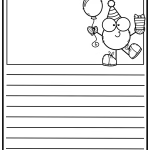
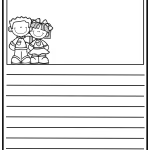
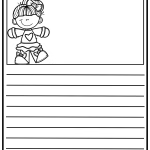
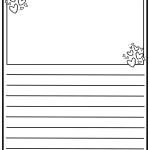
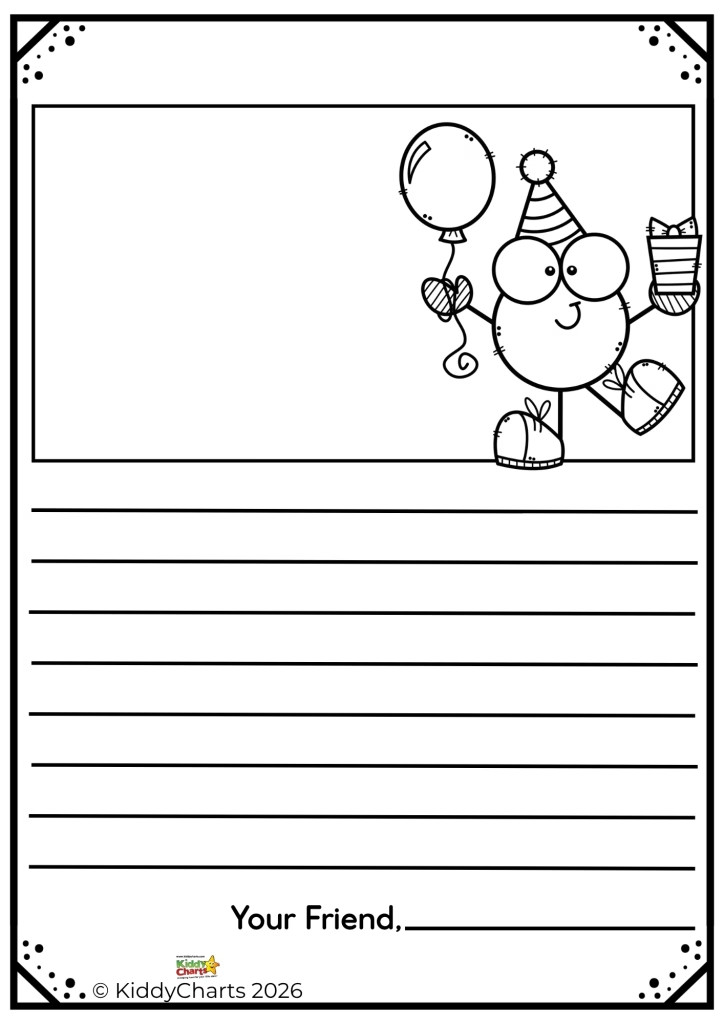
- Add drawings or decorations: The printable pack includes several pages that are left completely blank at the top with just a “Your Friend,” sign-off at the bottom. These are absolutely perfect for children who love to draw. They can use the guided templates to write their message, and then attach a beautiful illustration or picture on one of the blank pages, or even slip in a page from a free kids summer activity book they have decorated.
- Include bookmarks or extras: Encourage the little ones to create their templates as colourful and vibrant as possible, perhaps adding extras like free printable bookmarks with zodiac designs they have coloured in themselves to tuck inside the envelope.
The best part of this activity is seeing the joy it brings to both the writer and the recipient, making it a truly rewarding experience for everyone involved.
Next, let’s see what’s included in the printable pack to help you get started.
What is inside the printable pack?
We have included a variety of different themes in this pack so families and parents can use them together throughout the year. This printable pack is designed to encourage family connections and support literacy, empathy, and community bonding. For more resources and ideas, be sure to explore our site.
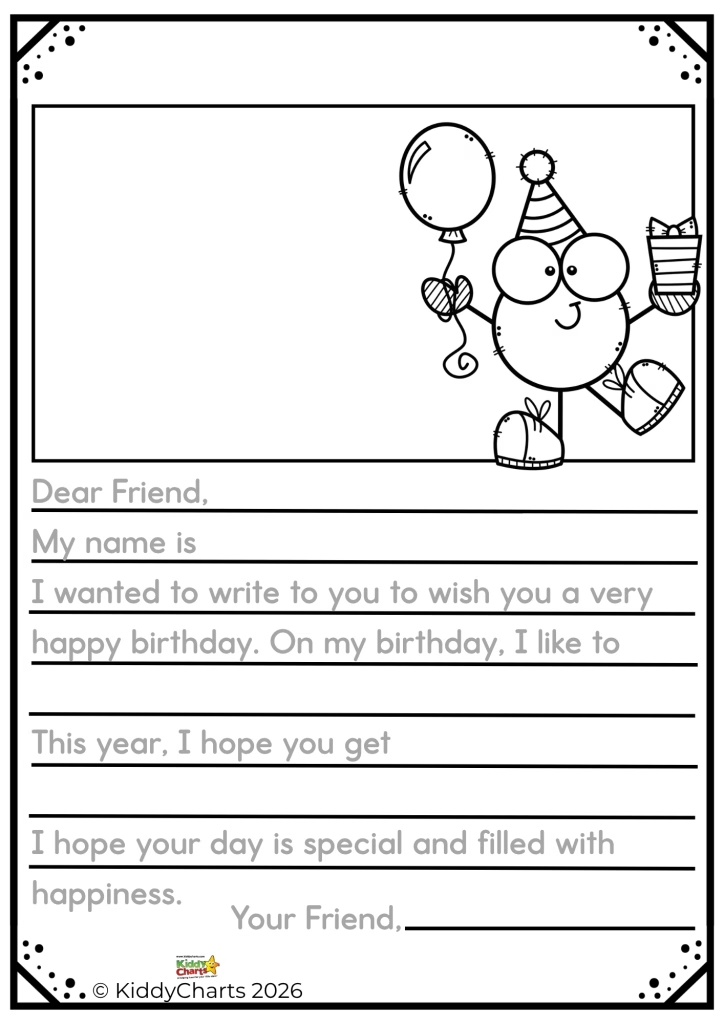
- Everyday introductions:
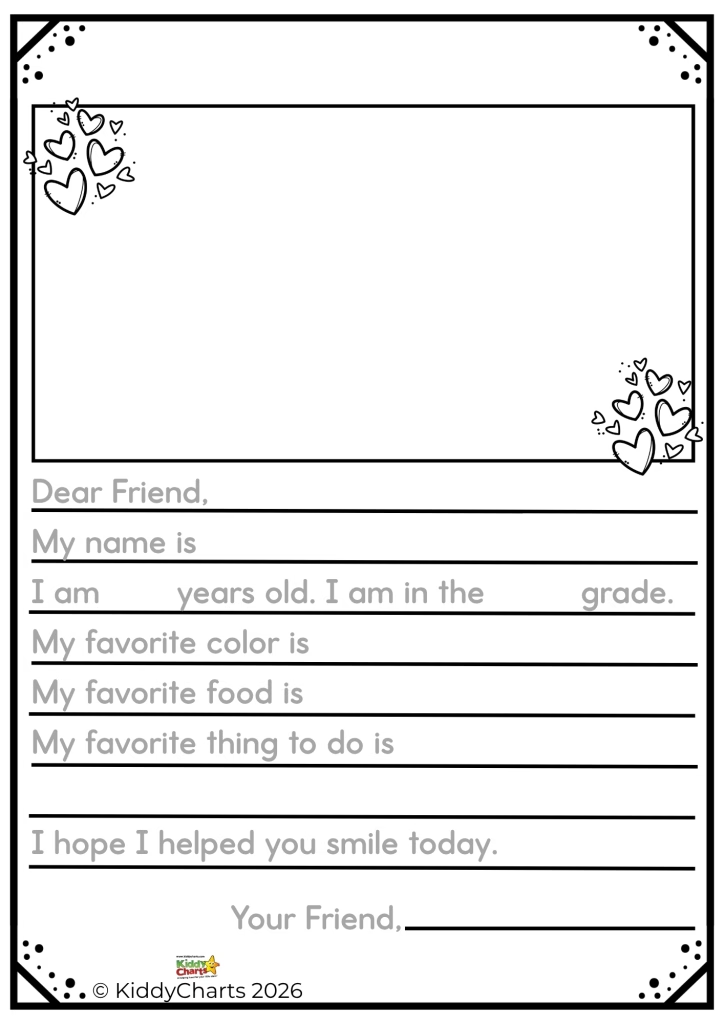
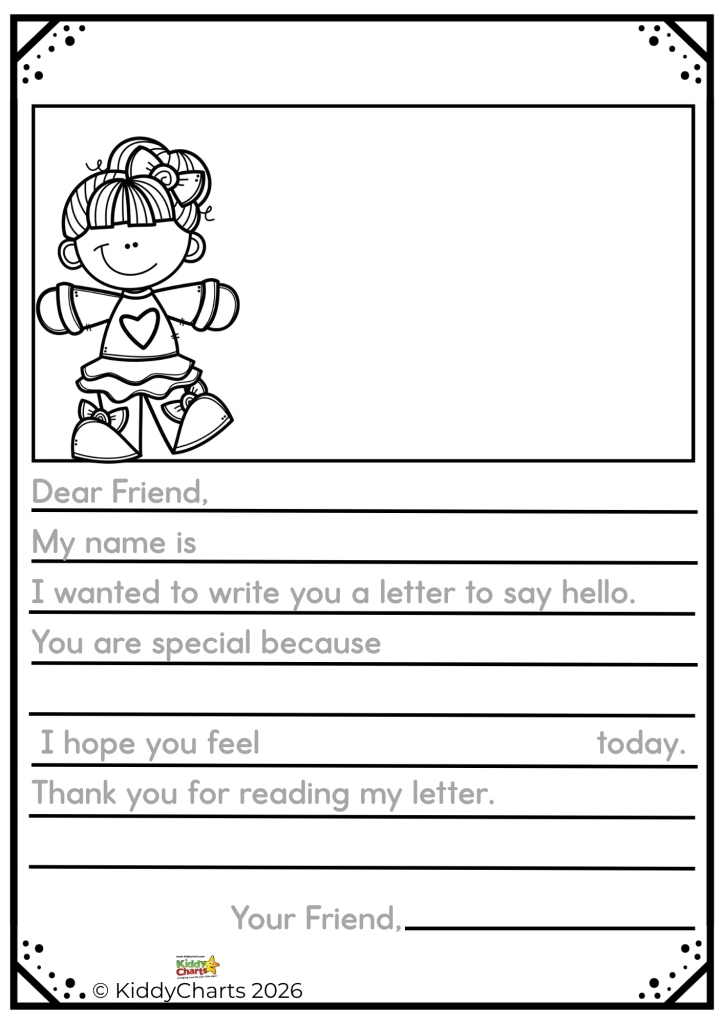
The first few templates are perfect for a first-time introduction. Why not mark each page with a date, making it easy to organize letter-writing activities or participate in special days like ‘Letter to an Elder Day.’ These templates help children share their name, age, and a few of their favourite things, like their favourite food, colour, and what makes them happy. It is a lovely, gentle way to say hello. - Holiday greetings – with love and balloons:
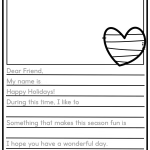
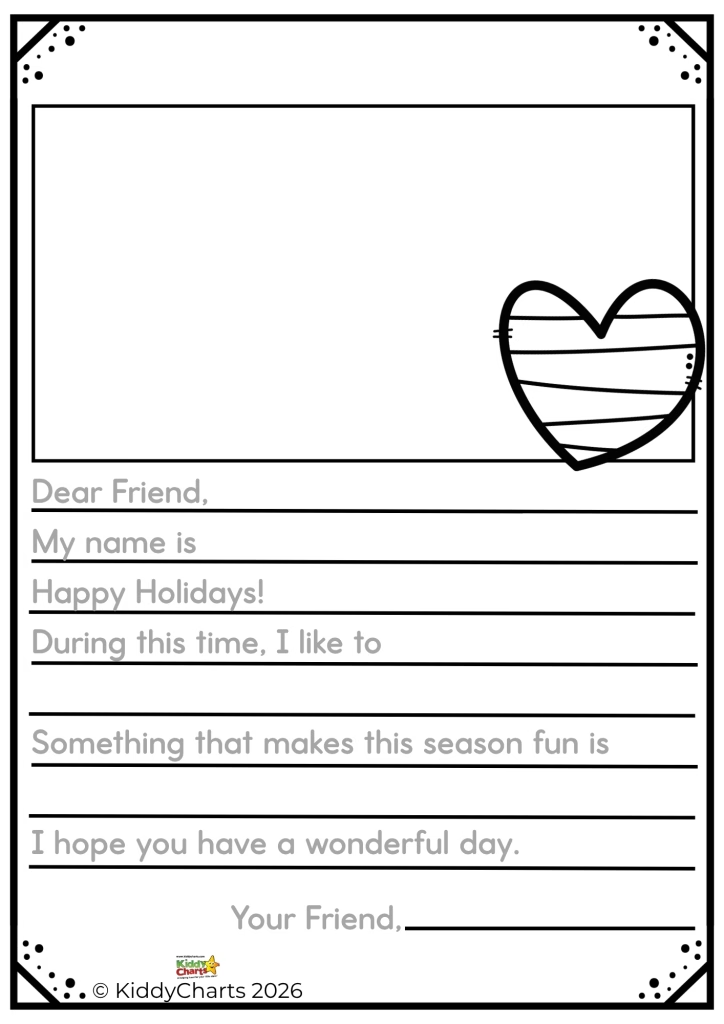
We have included a couple of special templates for the holiday season. The festive period can sometimes feel quite lonely for care home residents, so a letter explaining what a child loves about the holidays can bring a real sense of warmth and cheer. - Camping and adventures:
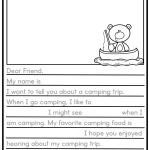
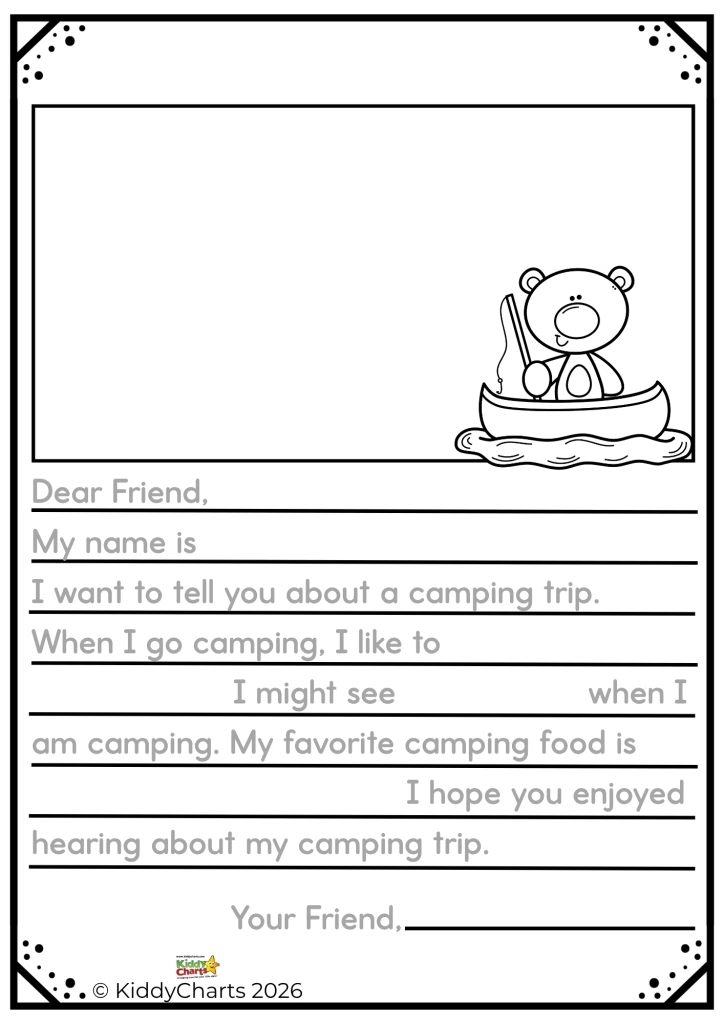
There is a brilliant template focused entirely on a camping trip. Children can fill in what they like to do when camping, what animals they might see, and their favourite camping food. It is a highly imaginative prompt that often brings back fond outdoor memories for the older generation. - Birthday wishes:
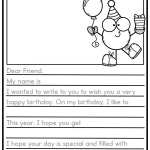
If you know a care home is celebrating a resident’s birthday, the birthday template is a wonderful resource. It allows children to share what they like to do on their own birthdays and wish the recipient a day filled with happiness.
This printable pack was recently published, and each page is designed to make letter-writing meaningful and fun. Sign up with your email to receive new printables and updates delivered straight to your inbox too.
Once you’ve chosen your template, it’s time to send your finished letters to a local nursing home.
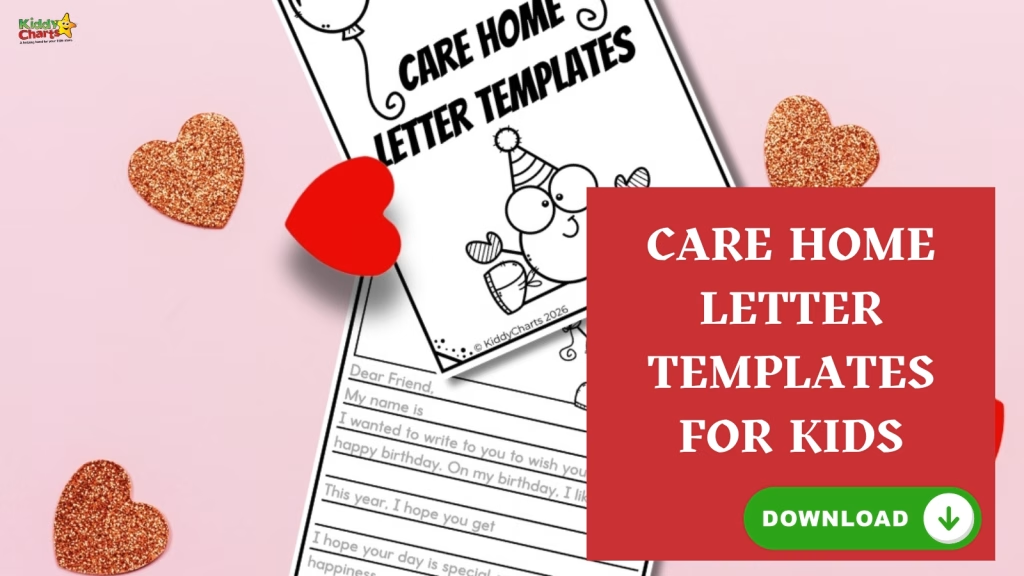
In order to download the pack – just click on the button or the image below:
How to send your finished letters to a local nursing home
Once you have a stack of beautifully decorated letters, you need to get them to their recipients. Sending mail is a valuable service that helps care home residents, especially those adults who may not have many visitors. The best approach is to contact a local care home directly. Give them a quick phone call or send an email to the activities coordinator.
Explain that the writers, children using a care home letter template for kids, have created friendly letters and ask if they would be willing to receive them. Most care homes are absolutely thrilled to accept community mail. They will be able to tell you exactly who to address the envelope to and whether there are any specific guidelines you need to follow.
Some care homes might even read the letters out loud during a group activity session, meaning a single letter could bring joy to a whole room of adults.
We hope you enjoy using these templates as much as we enjoyed putting them together. It is a beautifully simple service activity that teaches children the profound impact of a few kind words. Grab your pens, download the printable, and start spreading some happiness today!
We have so many resources around Kindness on the site, so do check these out too:
Other gratitude and kindness ideas from the site
Here are some more positivity and gratitude ideas from the site that you might also want to explore.
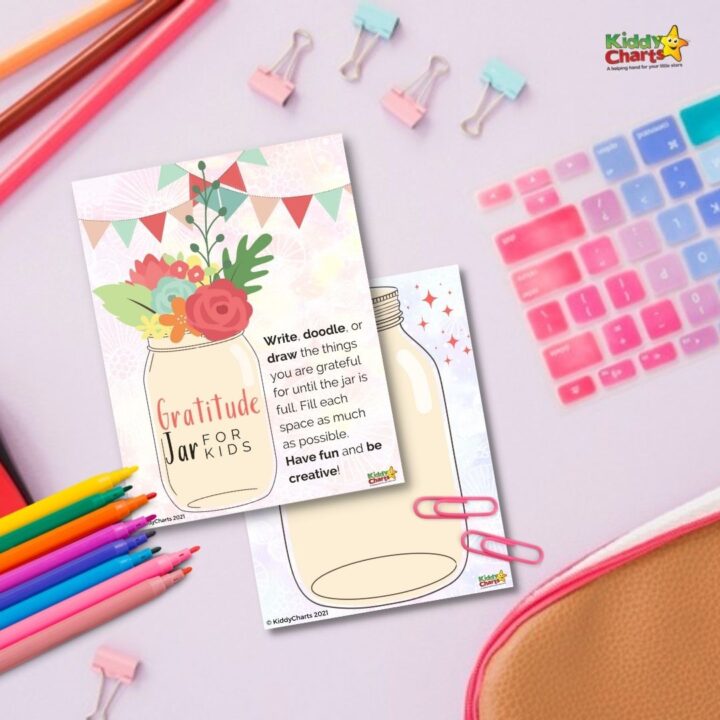
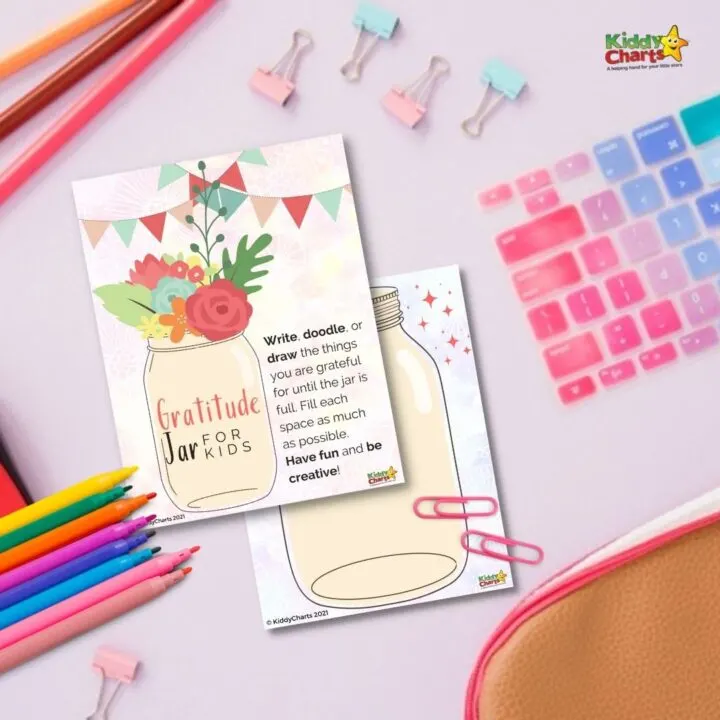
Gratitude jar for kids
Create a tangible place to put some of your gratitude ideas with the kids - using our gratitiude jar.


Positive thinking activities for kids: The Best Bad Day Ever
A book that is designed to help us to think about things in a different way which complements gratitude journalling really well.


Boost your child's day with free printable positive affirmation lunch box notes
Some positive affirmations to include in your ch8ilod's lunchbox which add to positivity practise.
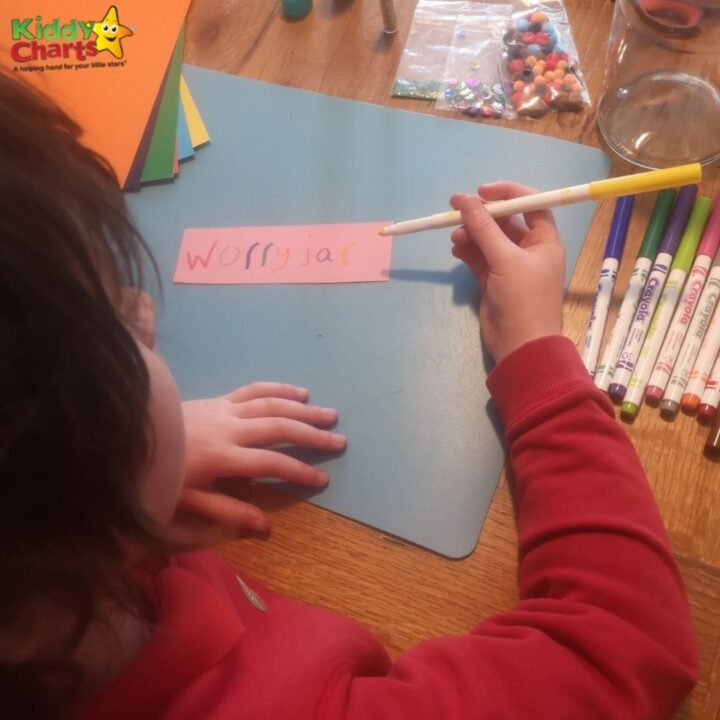
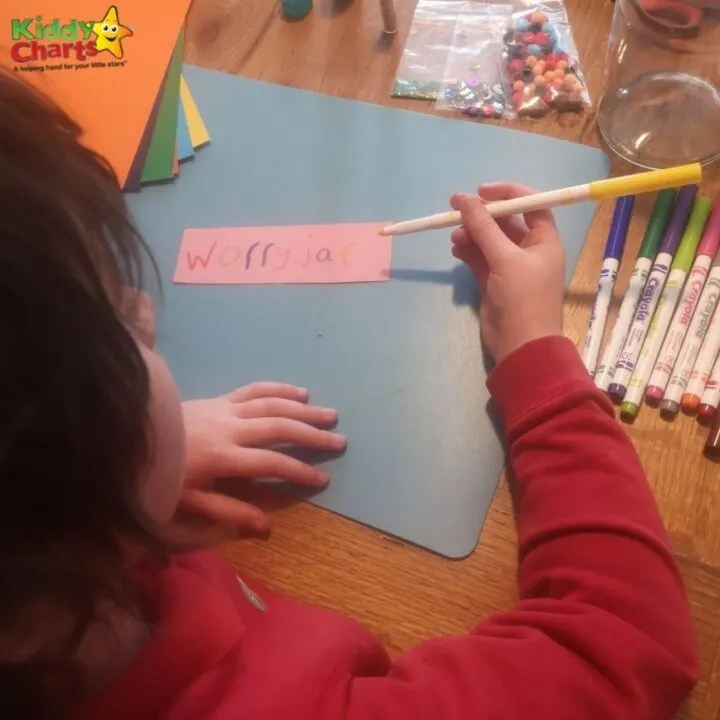
Make your own worry jar #31daysofactivities
Something a little different for you as well - making a worry jar to help to feel a little more ihn control of the worries thst your child is having.
As well as these on other wonderful sites too:
Kindness activities from the internet
More ideas to inspire kindness and positivity in your children
How To Make A Family Kindness Jar
A lovely, simple idea for a Kindness Jar from the fabulous Kids Activities Blog.


Teaching our Kids Kindness when there is Hatred all around
Helping our kinds to learn about kindness even though it is tough when they are often surrounded by the opposite.


Get Creative with Kindness – 4 Activities for the Classroom
A few ideas to help teach kindness in the classroom alongside this.
Thanks for coming to see us, and we do hope you sign up so we can see you again on the site soon.
Helen
Helen Neale

Helen is a mum to two, social media consultant, website editor and a qualified counsellor with experience of working with both children and adults. She is a registered member of the British Association of Counselling and Psychotherapists, with her own private practise. She also freelances with her local Mind organisation. Since giving up being a business analyst when juggling travel, work and kids proved too complicated, she founded KiddyCharts so she could be with her kids, use those grey cells at the same time, and supplement her counselling income. KiddyCharts has reach of over 680k across socials and the site. The site works with big family brands to help promote their services, as well as offering free resources to parents of kids under 10. She is a specialist counsellor for neurodivergent individuals and brings this expertise to her resources and the site. She is also an ADHDer herself. KiddyCharts gives 51%+ profits to charities, focused on supporting mental health and a community in Tanzania Helen has also worked as a digital marketing consultant (IDM qualified) with various organisations, including Channel Mum, Truprint, Talk to Mums, and Micro Scooters. She loves to be creative in the brand campaigns she works on. Get in touch TODAY!