
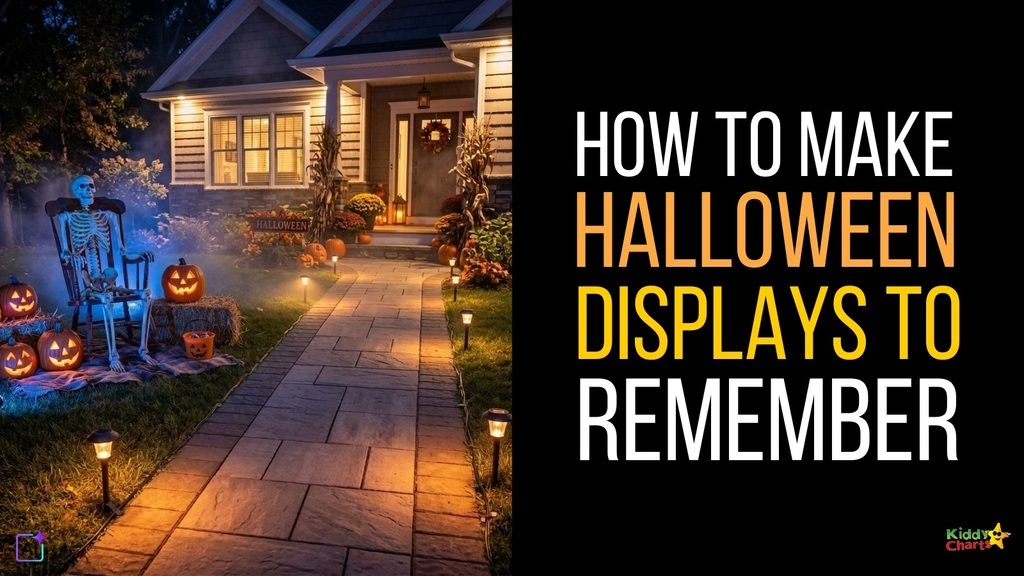
A memorable Halloween display starts with a clear idea, a practical layout, and one attention-grabbing feature. Successful setups do not require the largest yard or the highest budget. They rely on balance, timing, lighting, and thoughtful placement. What matters most is how each element works together.
Each decoration should support the chosen mood, whether the scene suggests an abandoned graveyard, eerie laboratory, haunted circus, or shadowy forest. Features like Halloween animatronics can serve as effective focal points that bring a theme to life. With careful planning, households can create an inviting attraction that feels complete, stays safe, and gives visitors a reason to pause. Here is how to bring that vision together.
This is a collaborative post.
Choose a strong centerpiece
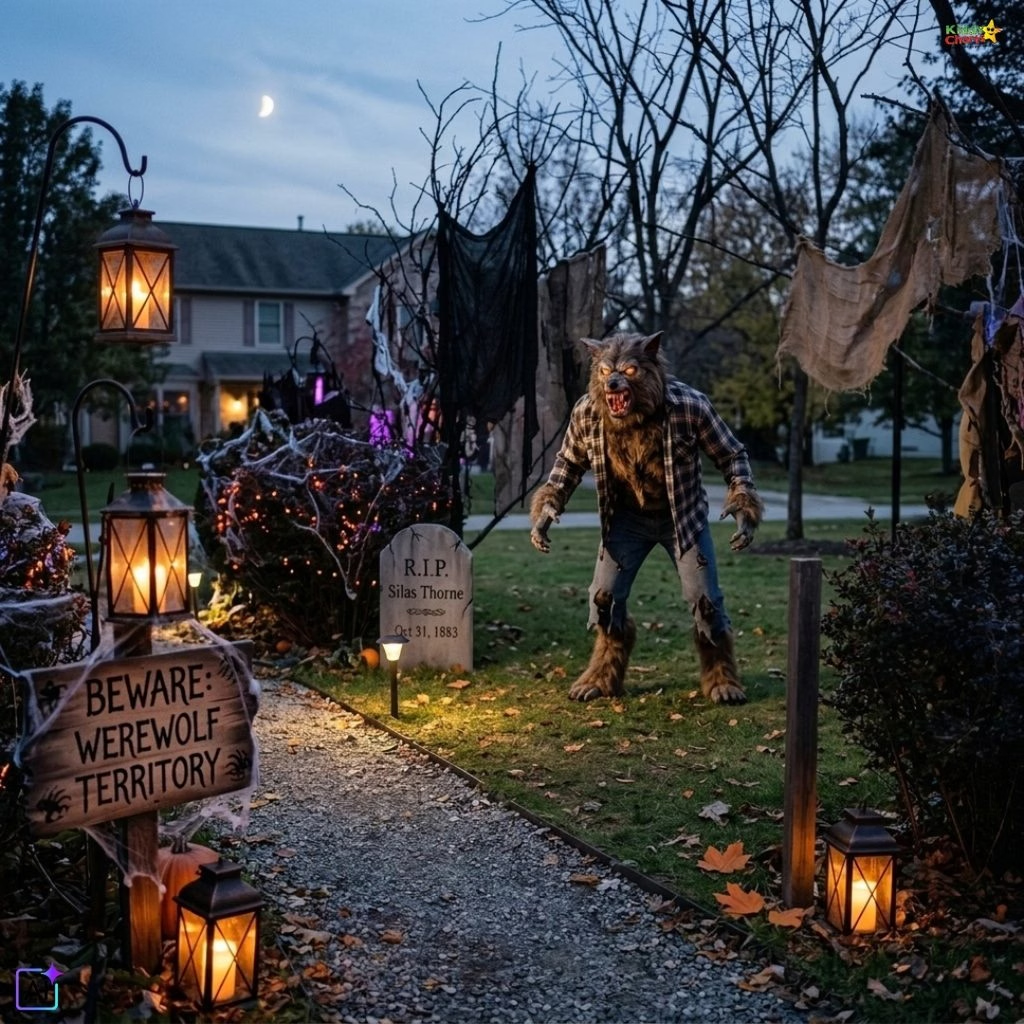
A central feature gives the arrangement direction and helps guests notice the intended focal point. Animated decorations range from small figures to large character props, with options available in various themes, heights, and styles. A lunging reaper, howling werewolf, swinging creature, or moving skeleton can establish a scene quickly. One strong character often creates greater impact than several unrelated pieces.
Build a simple story
Every memorable display benefits from a basic narrative. A graveyard might feature a caretaker, broken markers, and a crooked entrance. A laboratory could include warning signs, glowing containers, and a strange experiment. The story does not need detailed explanation. Visitors should recognize the setting within a few seconds. Choosing one theme also prevents mismatched decorations from competing for attention.
Add depth with layers
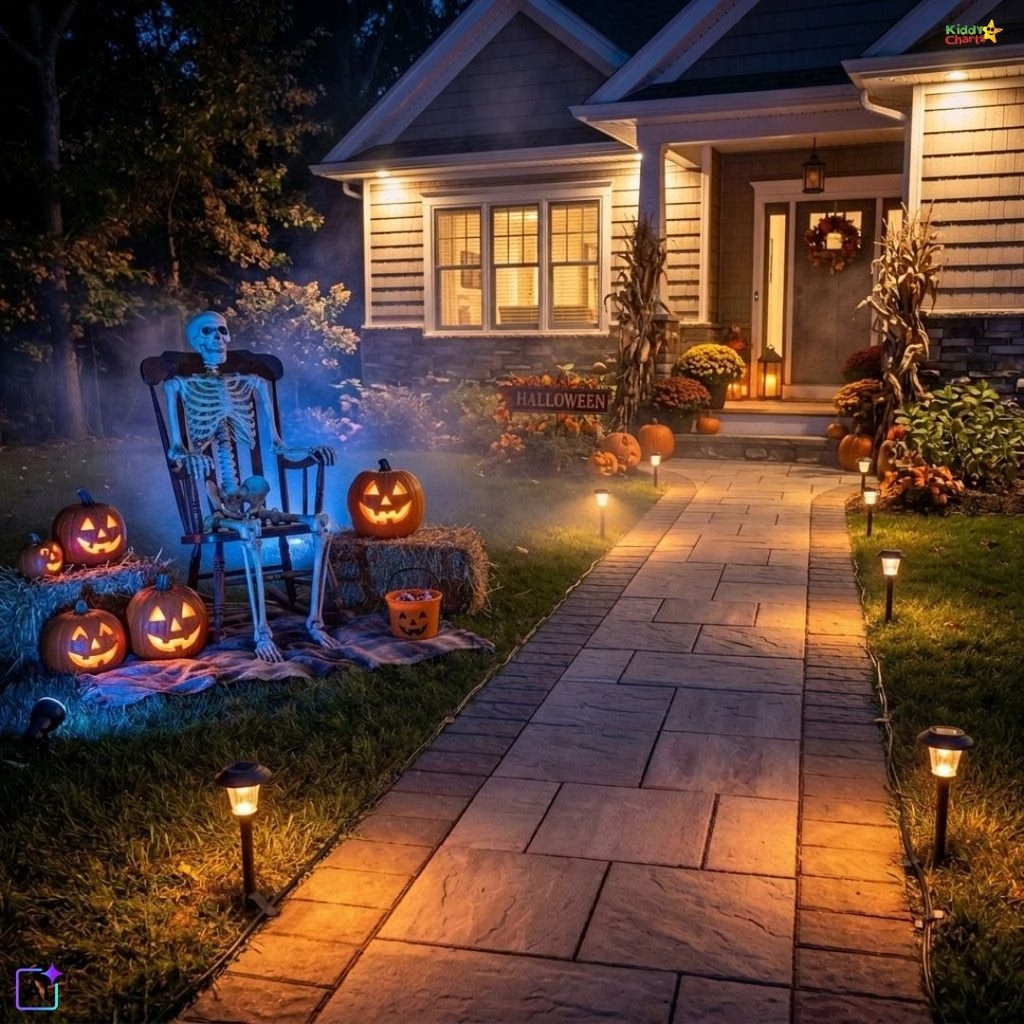
Flat arrangements may look sparse from the sidewalk. Larger props should sit behind medium pieces, while smaller accents can fill the front edge. Tombstones, crates, bones, pumpkins, signs, and fabric help connect separate sections. Raised platforms improve visibility, although each base must remain stable. Layered placement makes a display appear fuller without blocking the main character or creating hazards along the walking route.
Divide the area Into zones
A simple layout can include an entrance, action area, and background. The entrance introduces the setting through lanterns, signs, or scattered debris. The middle holds the main figure or moving effect. The rear adds height with branches, hanging cloth, silhouettes, or tall props. These sections create visual order. Guests notice details gradually instead of viewing every item at once.
Control the lighting
Lighting decides which details receive immediate attention. Warm bulbs suggest candlelight, while red or green sources create an unnatural mood. Blue tones suit ghosts, windows, and misty scenes. Bright lamps placed beside the centerpiece can flatten shadows and reduce contrast. Focused fixtures usually work better than excessive brightness. Outdoor-rated cords, weatherproof connections, and timers also support dependable evening operation. Following basic decoration safety guidelines, such as checking all electrical connections before outdoor use, helps reduce fire and shock risks.
Use sound carefully
Sound can strengthen a scene, but constant noise may disturb nearby households. A low rumble, distant bell, creaking door, or brief whisper often creates stronger anticipation than nonstop screaming. Speakers should remain hidden when possible. Volume needs consideration, especially in residential neighborhoods. Audio should support movement and lighting rather than compete with them. Quiet pauses can make the next effect feel more surprising.
Protect guest movement
A successful attraction must remain comfortable and accessible. Steps, sidewalks, driveways, and handrails should stay clear of loose wires or unstable props. Motion-triggered effects work best beside the route instead of directly across it. Families with young children may appreciate a calmer path near the entrance. Clear movement patterns reduce crowding and help visitors see important details. Accessibility should influence the layout from the first sketch.
Select movement wisely
Animated features attract attention because they change the scene. Too many active props, however, can make the arrangement feel confusing. One or two moving pieces usually provide enough energy when still decorations surround them. A turning head, rising figure, or reaching hand creates a brief focal moment. Motion sensors can activate effects as guests approach. Hosts should test each trigger after dark because distance and shadows may affect performance.
Repeat key materials
Repeating textures helps separate objects appear connected. Weathered wood can appear on signs, crates, fences, and door coverings. Black fabric can link trees, windows, and overhead sections. Orange accents can connect pumpkins with pathway markers. Repetition creates order without making each item identical. Cardboard, reclaimed boards, plastic sheeting, and craft foam can add affordable details that match the selected theme.
Test the scene at night
Daylight can hide weak lighting, tangled cords, awkward gaps, and blocked sightlines. A nighttime test shows what visitors will experience after sunset. Hosts should view the arrangement from the sidewalk, driveway, and street. The centerpiece must remain visible after surrounding fixtures activate. Photographs can reveal empty corners or distracting objects. Small adjustments often improve the result more than buying additional decorations.
And now…go!
Memorable Halloween displays depend on clear themes, deliberate placement, controlled effects, and careful safety checks. A focused centerpiece attracts attention, while layered props, selective lighting, and restrained sound create a complete scene. Movement should support the story rather than overwhelm it. Weather protection and accessible paths keep the setup practical for everyone. With nighttime testing and one final surprise, households can create an outdoor attraction visitors recall long after the decorations are removed.
We really hope that you like these ideas for Halloween – why not check out some of the other awesome things that we have on the site around Halloween while you are here?
Halloween craft ideas for kids
If you are a Halloween fan, these Halloween craft ideas for kids, alongside some of our printables are perfect for making sure your Halloween goes as spookily as you want it to.
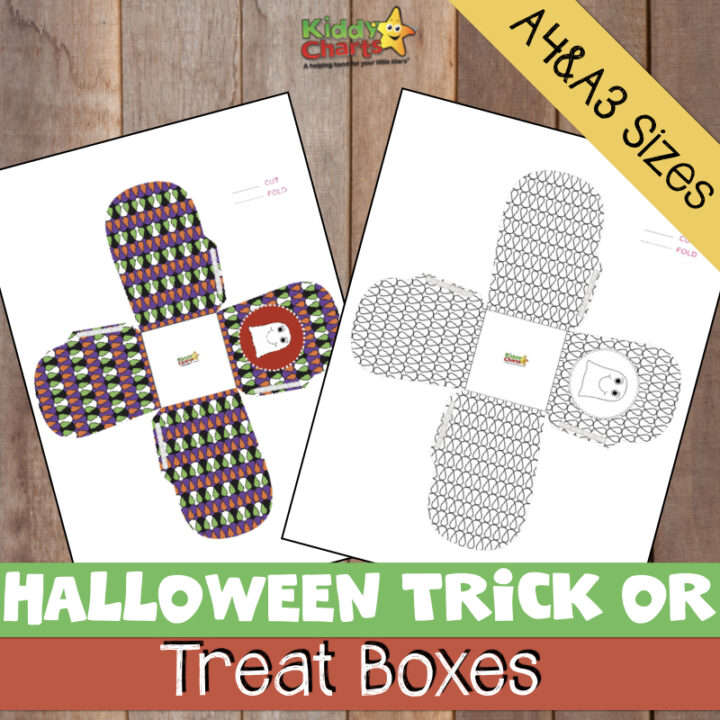
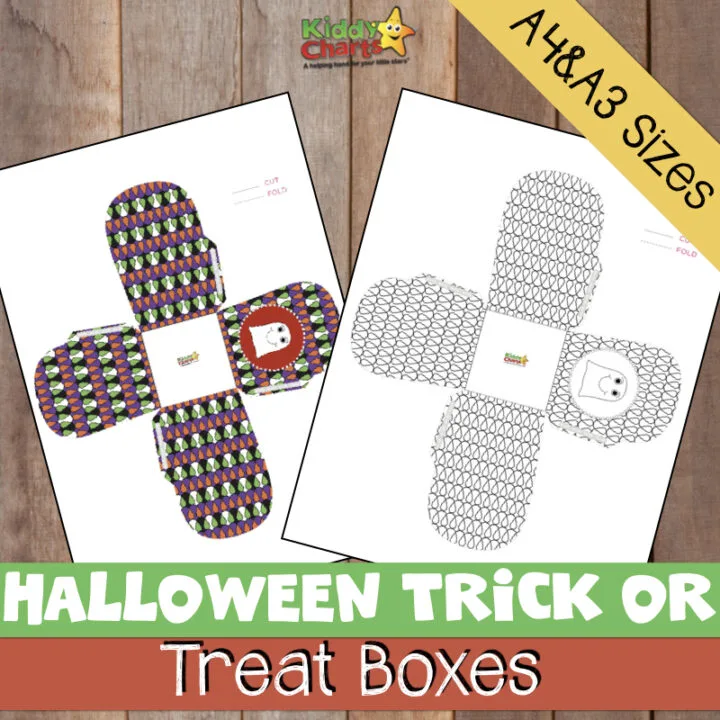
Halloween trick or treat boxes: Free A3 or A4 printables
You can colour in these trick or treat boxes with the kids, or we have a pre-made one too.
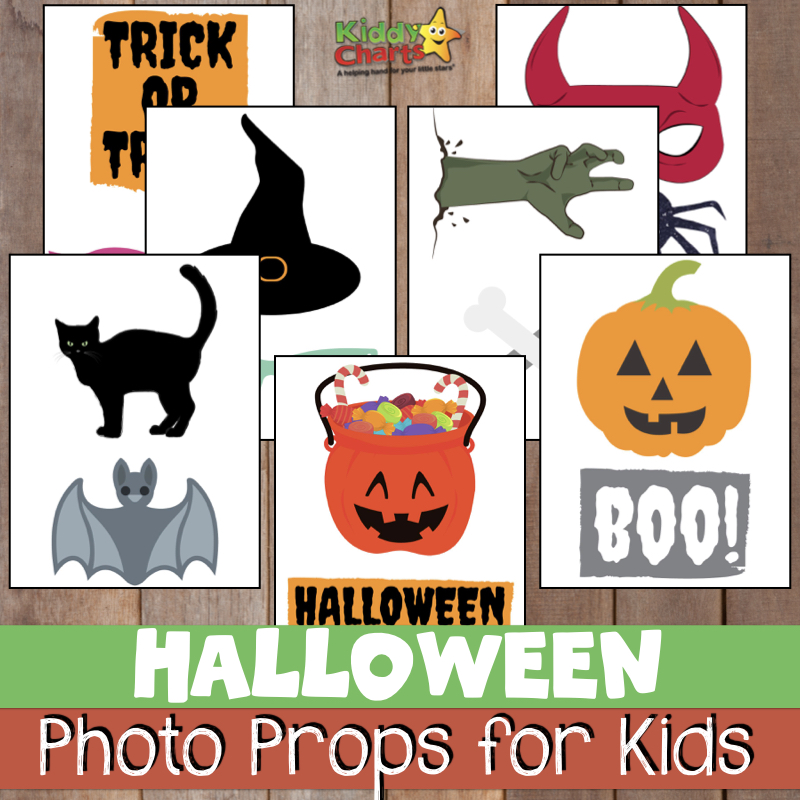
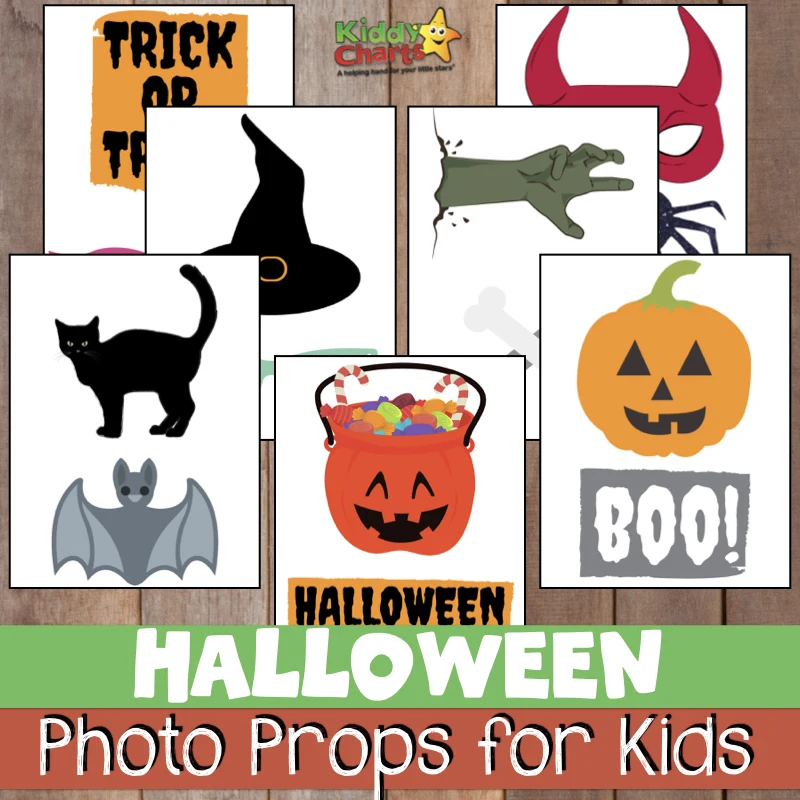
Free Halloween photo props or Halloween party decorations
Props for fun photos with the kids, or party decorations - you decide!
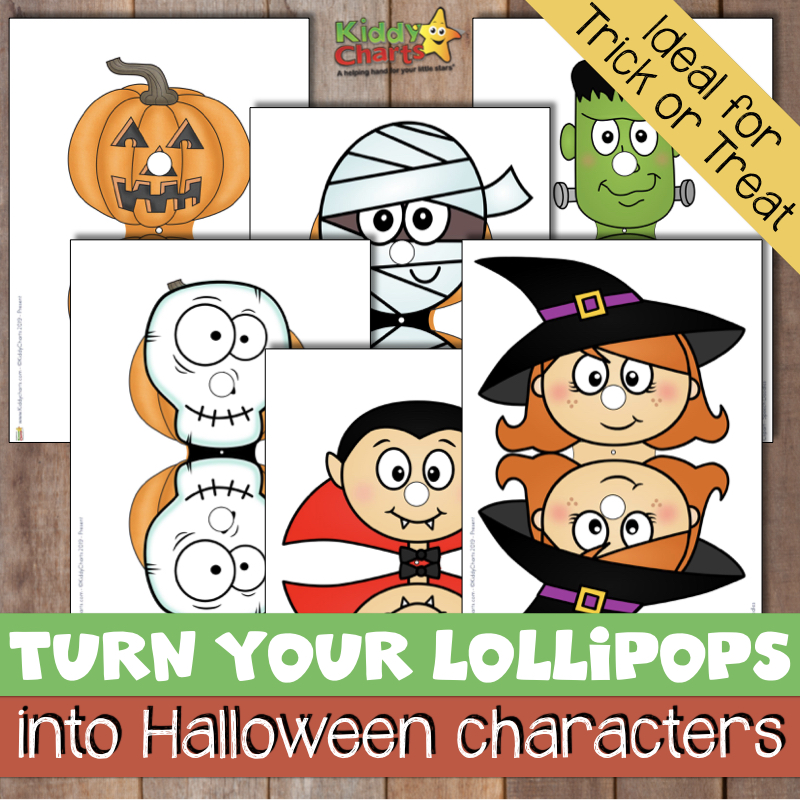
Perfect FREE Halloween Lollipop Covers: Perfect for trick or treat bags
Little covers for Lollipops that you can add to your trick or treat candies and sweets to make them a little bit more fun for everyone.
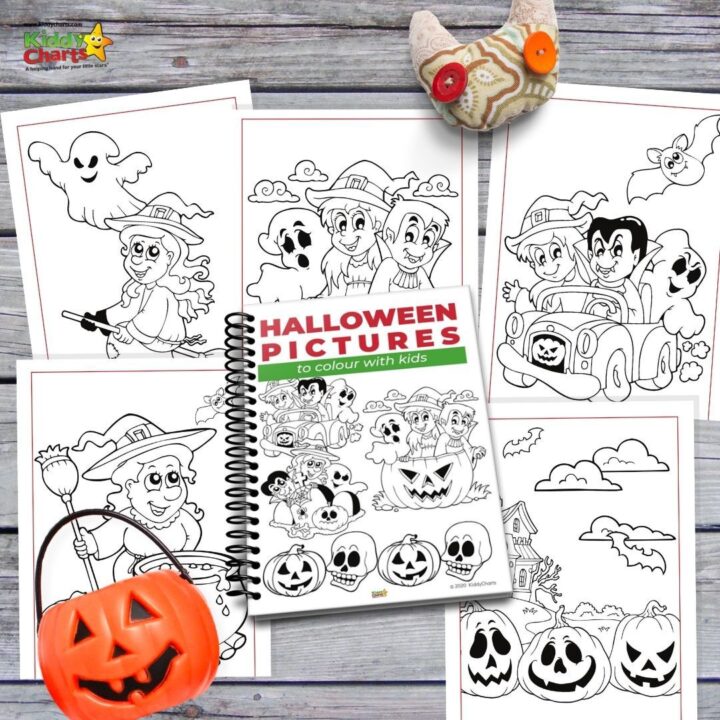
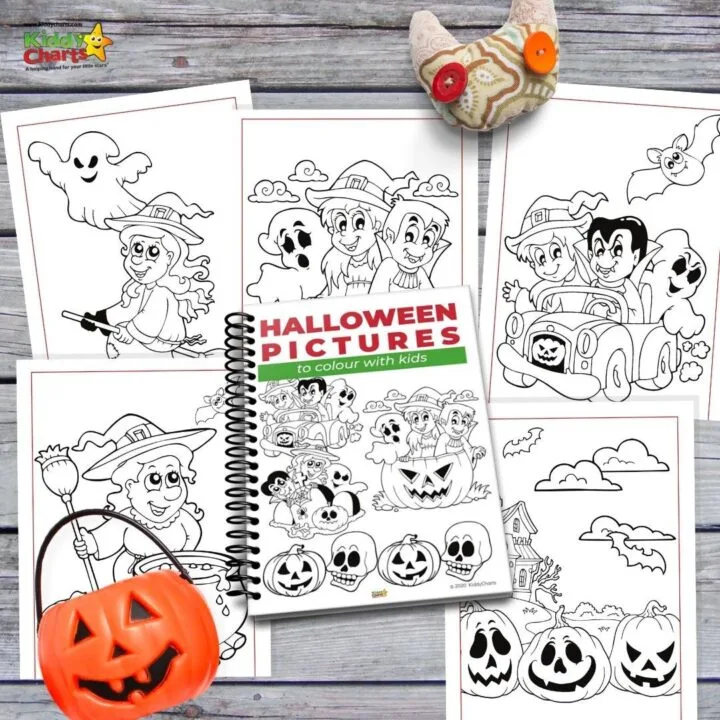
Halloween colouring pages for kids
Fabulous ebook with loads of Halloween colouring fun!
Thanks so much for coming, and see you all again soon.
Helen
Helen Neale

Helen is a mum to two, social media consultant, website editor and a qualified counsellor with experience of working with both children and adults. She is a registered member of the British Association of Counselling and Psychotherapists, with her own private practise. She also freelances with her local Mind organisation. Since giving up being a business analyst when juggling travel, work and kids proved too complicated, she founded KiddyCharts so she could be with her kids, use those grey cells at the same time, and supplement her counselling income. KiddyCharts has reach of over 680k across socials and the site. The site works with big family brands to help promote their services, as well as offering free resources to parents of kids under 10. She is a specialist counsellor for neurodivergent individuals and brings this expertise to her resources and the site. She is also an ADHDer herself. KiddyCharts gives 51%+ profits to charities, focused on supporting mental health and a community in Tanzania Helen has also worked as a digital marketing consultant (IDM qualified) with various organisations, including Channel Mum, Truprint, Talk to Mums, and Micro Scooters. She loves to be creative in the brand campaigns she works on. Get in touch TODAY!