

Preparing for the arrival of your first child is an incredible milestone, filled with anticipation, excitement, and a surprisingly long to-do list. Believe us here, we know. Walking down the aisles of a baby store or scrolling through endless online registries can quickly leave expecting parents feeling overwhelmed by the sheer volume of products available. While marketing campaigns often insist that you need every high-tech novelty on the market, the reality is much simpler: newborns require a clean, safe, and supportive environment focused on comfort, basic care, and safety. Setting up a dedicated nursery space equipped with a reliable smart baby monitor gives parents instant peace of mind, allowing you to keep a watchful eye on your sleeping infant from anywhere in the home without disturbing their rest. Knowing which foundational supplies to invest in before your due date ensures a smooth, stress-free transition during those precious first few weeks at home.
To help you distinguish between absolute necessities and optional extras, this comprehensive first-time parent checklist covers the core essentials you should have cleaned, assembled, and ready to go before bringing your newborn home.
This is a collaborative post.
1. Safe sleeping essentials: Setting up the crib
A safe, quiet sleeping environment is the cornerstone of newborn care. During the first few months, infants spend up to 16 to 18 hours a day sleeping, making crib setup one of your most critical pre-baby preparation tasks.
Selecting a safe crib and mattress
Your baby’s primary sleep area should meet current national safety standards. Whether you choose a full-sized wooden crib, a convertible model, or a standalone bassinet for the early months, ensure the structure is sturdy and free from drop-side mechanisms.
- Firmness is Essential: Choose a firm crib mattress designed specifically for infants. While adults prefer soft, plush surfaces, newborns need a flat, firm mattress to support proper spinal development and maintain open airways.
- Snug Mattress Fit: Ensure there are no gaps wider than two fingers between the mattress and the inner walls of the crib frame.
- Fitted Sheets Only: Cover the mattress with a waterproof mattress protector and a tight, fitted cotton sheet.
Adhering to safe sleep guidelines
Pediatric guidelines emphasize keeping the crib completely clear of loose items. Avoid placing pillows, quilts, heavy blankets, crib bumpers, or stuffed animals inside the sleeping area. To keep your baby warm without using loose covers, stock up on two or three wearable blankets or sleep sacks rated appropriately for your home’s ambient room temperature.

2. Diapering essentials: Diapers, wipes, and changing stations
Diaper changing will take up a significant portion of your daily routine. On average, a newborn goes through 8 to 12 diapers a day, making it vital to stock your changing station thoroughly before coming home from the hospital. It may seem like a lot, but its part of newborn life, and before you know it, they’ll be hitting our baby milestones..
Stocking up on diapers and wipes
- Newborn vs. Size 1 Diapers: While it is tempting to buy newborn diapers in bulk, babies grow at astonishing rates. Stock two to three packs of newborn size diapers and several packs of Size 1 diapers so you are prepared if your baby is born larger or quickly outgrows the smallest size.
- Sensitive Skin Wipes: Newborn skin is incredibly delicate and prone to irritation. Choose fragrance-free, alcohol-free water wipes or hypoallergenic cloth wipes to minimize the risk of diaper rash.
- Barrier Creams: Keep a zinc-oxide-based diaper rash cream or petrolatum barrier ointment at your changing station to protect sensitive skin from moisture buildup.
Organizing the changing area
Set up a dedicated changing station equipped with a contoured changing pad and safety strap. Ensure that extra diapers, wipes, cream, and clean onesies are within arm’s reach of the pad. Never leave an infant unattended on an elevated surface, even for a second; having supplies organized in advance eliminates the need to step away during a change.
3. Feeding supplies: Preparing for bottle and nursing needs
Whether you plan to breastfeed, formula feed, or use a combination of both, having versatile feeding supplies ready on day one prevents middle-of-the-night panics.
Bottle feeding necessities
Even if you intend to nurse exclusively, having a small collection of bottles on hand allows partners or family members to assist with feedings.
- Infant Bottles and Nipples: Start with a multi-pack of 4-ounce bottles fitted with slow-flow (Level 1 or Preemie) nipples. Slow-flow nipples prevent milk from flowing too quickly, mimicking the natural rhythm of breastfeeding and reducing air ingestion.
- Cleaning Tools: Invest in a dedicated bottle brush with a nipple cleaner attachment. A countertop drying rack and an electric bottle sterilizer (or microwave sterilizing bags) help keep feeding gear hygienic.
- Formula Options: If formula feeding, keep a tub of newborn stage formula in your pantry so you are fully prepared from the moment you return home.
Daily feeding care
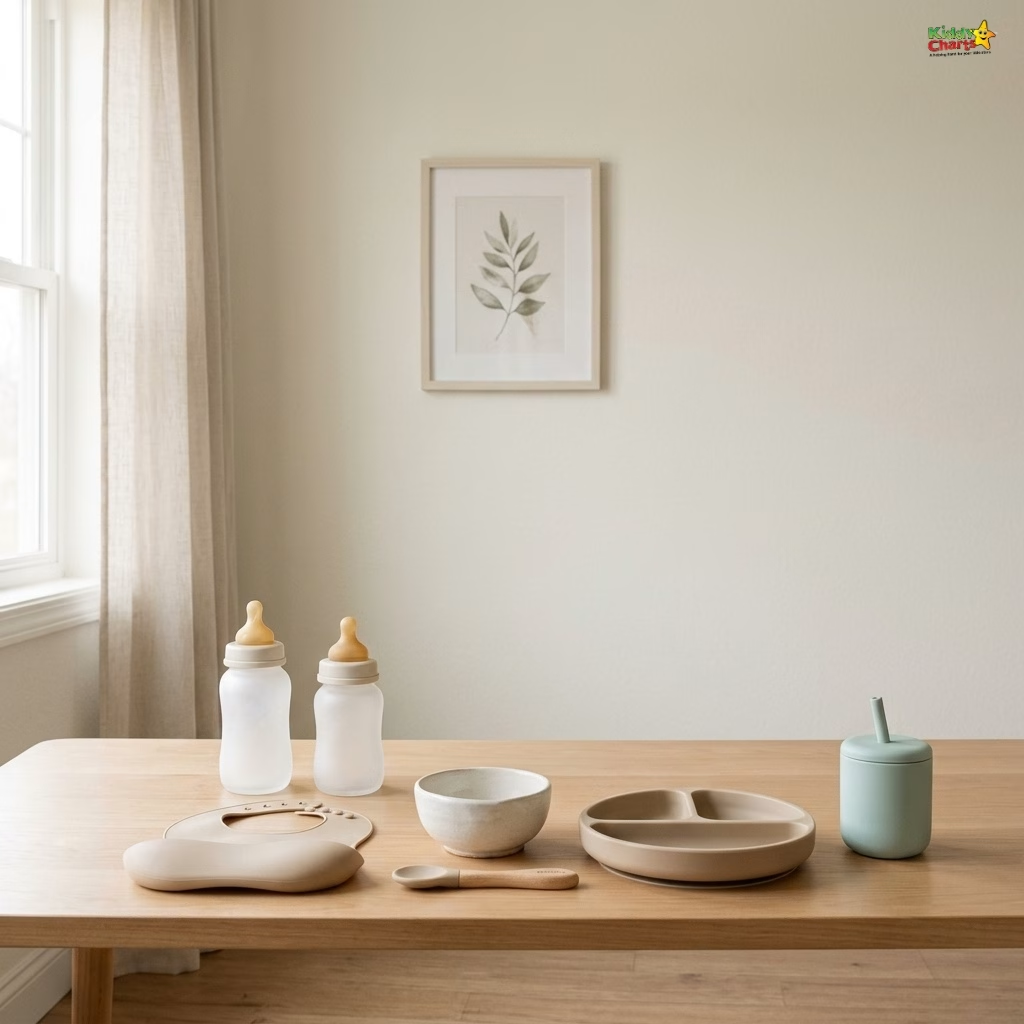
Stock plenty of soft, absorbent burp cloths and cotton bibs. Newborns frequently spit up small amounts after feedings as their digestive systems mature, and keeping extra cloths near your feeding chair keeps both you and your baby clean and dry.
4. Nursing products: Maternal comfort and breastfeeding support
For mothers planning to breastfeed, having the right nursing products prepared in advance can make a profound difference in establishing a comfortable, successful nursing relationship.
Essential breastfeeding gear
- Nursing Pillows: A supportive nursing pillow elevates the baby to chest height, reducing strain on your arms, shoulders, and back during lengthy feeding sessions.
- Breast Pump: A reliable single or double electric breast pump is invaluable for building milk supply, relieving engorgement, or pumping milk for bottle feedings. Many insurance plans cover breast pumps, so be sure to order yours prior to your due date.
- Breast Milk Storage Bags: Stock pre-sterilized, leak-proof milk storage bags for organizing pumped milk in the refrigerator or freezer.
Postpartum care for nursing mothers
- Soothing Nipple Creams: Pure lanolin or organic, food-grade nipple balms provide immediate relief for dry, tender skin during the first few weeks of nursing.
- Absorbent Breast Pads: Keep a supply of disposable or washable cotton breast pads to absorb unexpected leaks between feedings.
- Nursing Bras and Tanks: Comfortable, wire-free nursing bras with drop-down cups allow easy, friction-free access for daytime feedings and nighttime nursing sessions.
5. Nursery technology: Monitoring and environmental controls
Integrating simple, user-friendly technology into the nursery helps you maintain a calm, controlled environment while keeping you connected to your child throughout the day and night.
Camera and audio placement
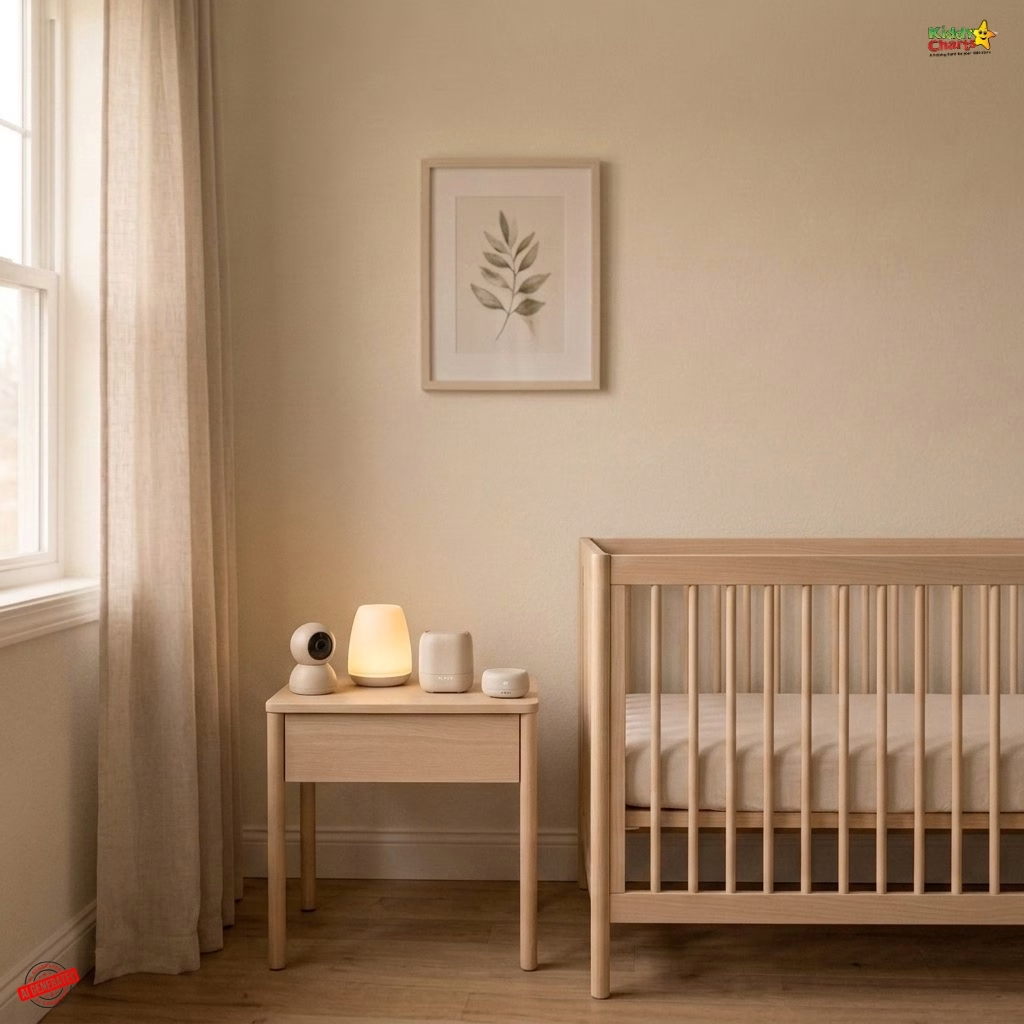
When setting up monitoring devices inside the nursery, security and placement are paramount. Mount camera equipment high on a wall opposite or adjacent to the crib to achieve an unobstructed top-down view of the sleeping surface. Always route electrical cables inside rigid plastic wall channels or clip them firmly against baseboards at least three feet away from any edge of the crib to eliminate reach hazards.
Managing sound and lighting
- White Noise Machines: A continuous sound machine emitting steady white or pink noise masks sudden household sounds, such as doors closing or footsteps on hardwood floors, helping your infant remain asleep through sleep-cycle transitions.
- Warm Dimmable Lighting: Use warm-spectrum, red or amber nightlights for late-night caretaking. Warm light wavelengths do not disrupt natural melatonin production, making it easier for both you and your baby to fall back asleep after midnight feeds.
6. Clothing, bathing, and on-the-go preparation
Beyond sleep, feeding, and diapering, you will need a modest wardrobe and essential transportation gear ready before your due date.
Newborn wardrobe essentials
Stick to soft, machine-washable cotton clothing with simple snaps or dual zippers for hassle-free diaper changes:
- Onesies and Bodysuits: 6 to 8 short-sleeve and long-sleeve cotton bodysuits.
- Footed Sleepers: 5 to 7 zip-up footed pajamas (zippers are far easier to manage at 3:00 AM than snaps).
- Socks and Scratch Mittens: 4 to 6 pairs of soft cotton socks and lightweight mittens to protect sensitive skin from accidental fingernail scratches.
Bathing and grooming supplies
- Infant Bathtub: An ergonomic, non-slip infant tub that supports a newborn’s head and neck safely during bath time.
- Gentle Cleansers: Fragrance-free, tear-free infant wash and lightweight body lotion.
- Soft Towels and Washcloths: 2 hooded bath towels and 4 to 6 soft cotton washcloths.
- Grooming Kit: A baby nail file or safety clippers, a soft-bristle hairbrush, and a digital rectal or temporal thermometer.
Safe travel gear
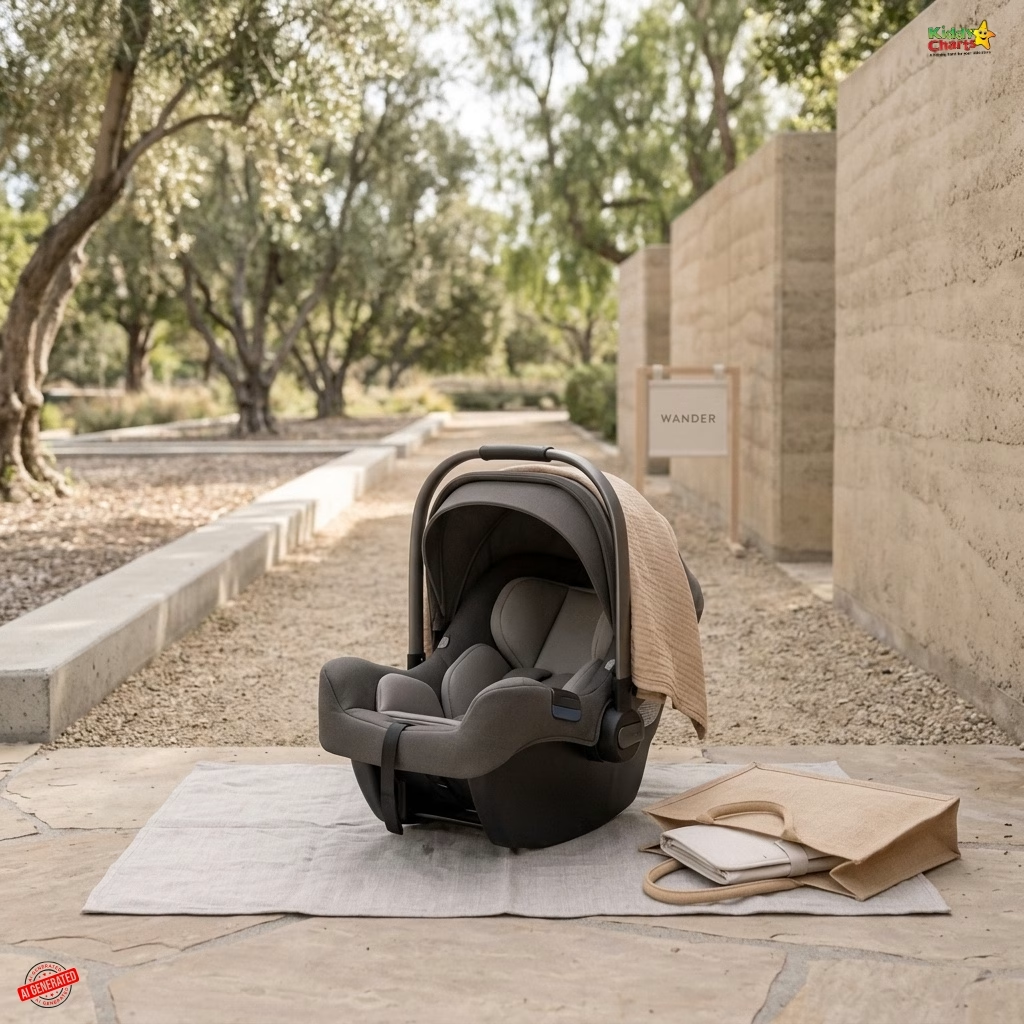
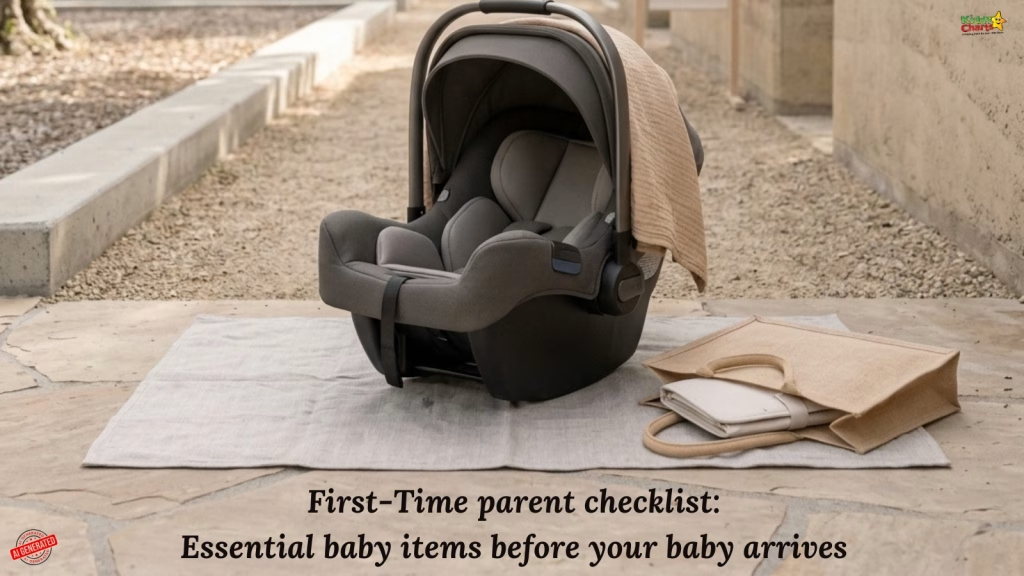
Before heading to the hospital, install a rear-facing infant car seat in your vehicle and have it inspected by a certified Child Passenger Safety Technician (CPST). Ensure you also have a sturdy stroller compatible with your car seat for early walks and pediatric doctor visits.
Checklist summary for expecting parents
To make sure your home is fully prepped before your due date, review this quick checklist:
- Assemble the crib with a firm mattress and fitted sheet (no loose bedding).
- Stock a changing station with newborn/Size 1 diapers, water wipes, and barrier cream.
- Clean and sterilize 4-ounce bottles, slow-flow nipples, and cleaning brushes.
- Prepare nursing bras, a breast pump, nipple cream, and a nursing pillow.
- Mount monitoring equipment securely at least three feet away from the crib.
- Wash clothing, sheets, and towels using a gentle, fragrance-free detergent.
- Install and inspect your rear-facing infant car seat.
Preparing for your newborn does not require buying every gadget on the market. By focusing on fundamental sleep safety, diapering, feeding, and maternal care, you build a functional, stress-free home where your baby can rest safely and your family can thrive from day one.
If you are looking for other articles all about welcoming a new baby, do check out everything else we have on the site – including this wonderful range of nursery printables for you:
Nursery printables for your baby on KiddyCharts
Here are some more ideas for you and your baby for the nursery - do check them out. There are, after all, completely free!


Nursery checklist: Must have nursery essentials including free nursery wall art
This is a checklist we have for nursery items that works well alongside this article - why not check it out?


Adorable printable jungle nursery mobile
If you are looking for a gorgeous mobile for the nursery - this is perfect for you. And it is also free to download from the site too.


Alphabet poster printables
Sometimes it is nice to have a few little posters on the wall for baby - these alphabet printables are perfect.


Alphabet flash cards
Finally, if you want a little game for your little ones as they grow up or some free phonics flashcards for toddlers learning phonics. Try these alphabet flash cards for them - print them on card and laminate them and they will last just that little bit longer.
And these ideas for feeding your baby:
Recipes for babies and toddlers
Here are some more ideas for babies and toddlers from the site.
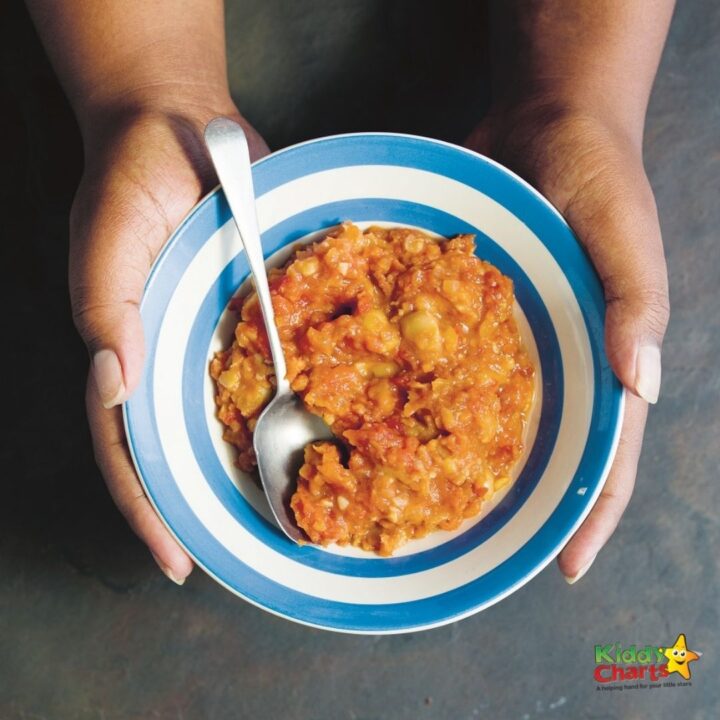
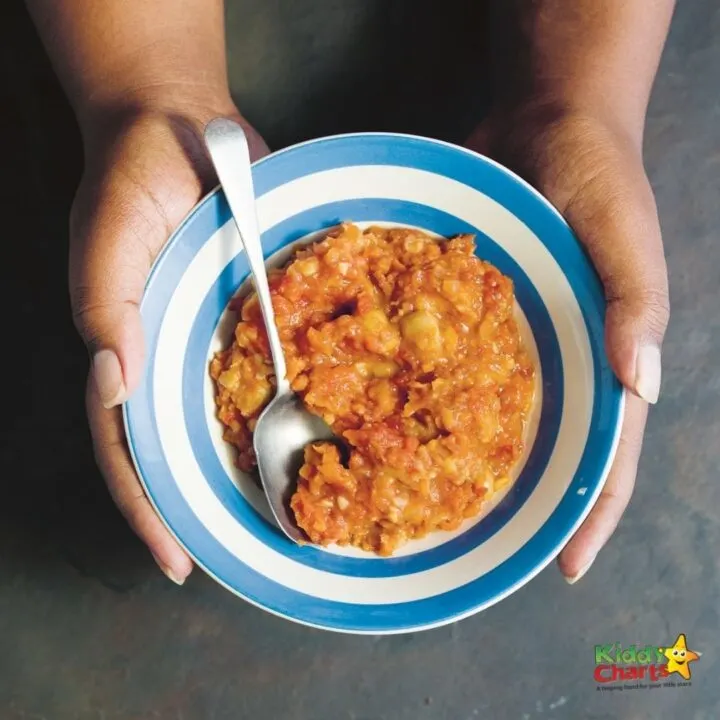
Homemade baked beans
We all know what baked beans are like - but now you can make your OWN version of them!


Cupboard food for toddlers: Tuna and sweetcorn fritters
These are fabulous - sweetcorn fritters for babies/toddlers with added Tuna.


Authentic Indian Family Food: Simple tomato pasta for kids
The classic tomato pasta - perfect for babies, and kids everywhere.
And if you want to venture beyond KiddyCharts, maybe try some of these?
Baby tips from the internet
Here are some more ideas for baby for the new parents out there.

Royal Baby gifts fit for a Prince or Princess!!
Some royal baby inspired gift ideas from Deep in Mummy Matters.


Five carefully chosen and thoughtful gifts for new mums
Some thoughtful and carefully chosen gift ideas for new mums to complement the ones we have given above.
These Are The Best Baby Gifts Going | Baby Soft Toys
Some more ideas from gifts - this time from Mummy vs Work.
We really do hope you pop back to see us again soon.
Take care,
Helen
Helen Neale

Helen is a mum to two, social media consultant, website editor and a qualified counsellor with experience of working with both children and adults. She is a registered member of the British Association of Counselling and Psychotherapists, with her own private practise. She also freelances with her local Mind organisation. Since giving up being a business analyst when juggling travel, work and kids proved too complicated, she founded KiddyCharts so she could be with her kids, use those grey cells at the same time, and supplement her counselling income. KiddyCharts has reach of over 680k across socials and the site. The site works with big family brands to help promote their services, as well as offering free resources to parents of kids under 10. She is a specialist counsellor for neurodivergent individuals and brings this expertise to her resources and the site. She is also an ADHDer herself. KiddyCharts gives 51%+ profits to charities, focused on supporting mental health and a community in Tanzania Helen has also worked as a digital marketing consultant (IDM qualified) with various organisations, including Channel Mum, Truprint, Talk to Mums, and Micro Scooters. She loves to be creative in the brand campaigns she works on. Get in touch TODAY!