


We are thinking about positivity today, with a new resource for students, pupils, and children that helps them to build that confidence; designed by a counsellor with experience working with neurodivergent children too.


Boost confidence with positive thinking activities for students: Our printable activity book
Helping students build a positive mindset is one of the most valuable gifts we can give them. Positive thinking activities for students can help them face challenges, build resilience, and develop a strong sense of self-worth. These skills equip young people with tools to navigate life’s ups and downs with confidence. The importance of kids positive thinking cannot be overstated: it helps children face challenging situations, as well as difficult situations, with additional courage and optimism, potentially preparing them to handle adversity more effectively.
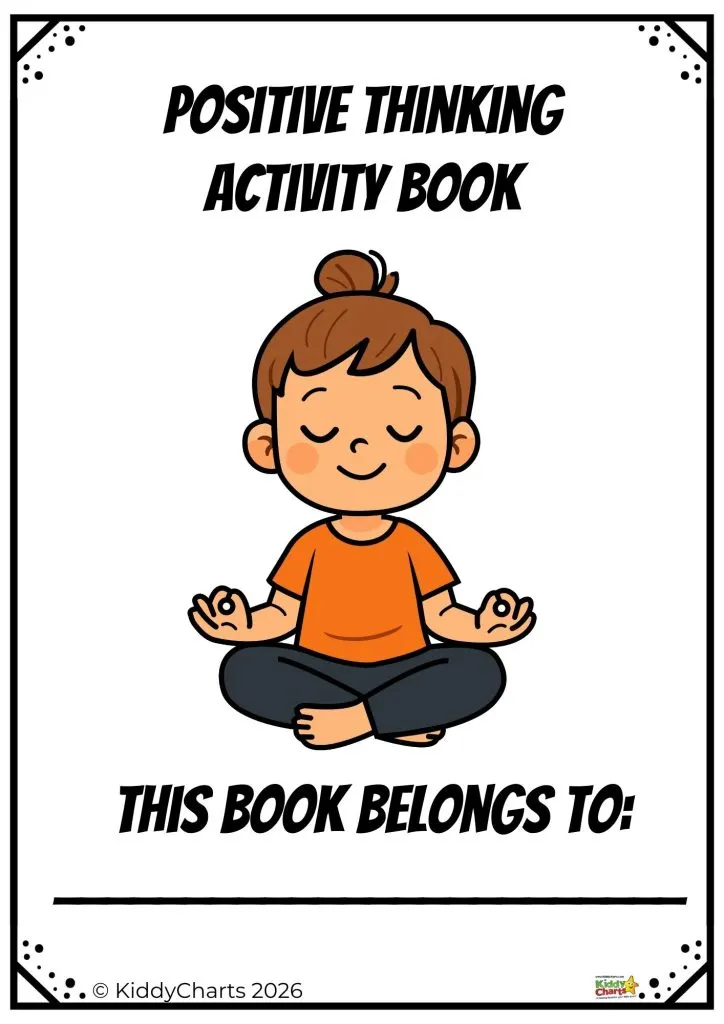
To support your child or students on this journey, we’ve created a brand-new printable full of positive thinking activities for students: the Positive Thinking Activity Book. This wonderful new resource is packed with engaging, student-friendly exercises designed to help them practice positive self-talk and focus on their strengths. Positive thinking activities can foster happiness, positive emotions, and a positive attitude, while also supporting mental health and self esteem.


Research shows that positive thinking activities can help rewire the brain through neuroplasticity, strengthening connections that promote emotional resilience. We aren’t talking about changing our neurotypes, but about within our neurodtype.
Teaching positive thinking to kids can foster a growth mindset and a love for learning. Children who practice positive thinking are more likely to have better emotional health and lower levels of anxiety. Instilling a positive thinking mindset in children is important because it helps them face the world with a brave and open-minded spirit. Positive thinking can also lead to improved relationships and social interactions for children.
The power of positive thinking activities for students (and how to avoid the “toxic” trap)
Positive thinking activities for students aren’t about ignoring sad or difficult feelings though. Instead, they teach kids to acknowledge their emotions while also looking for the good and believing in their ability to cope. We are all about understanding the glimmers, and remembering them.
Validating emotions
It’s crucial that we validate students’ feelings. Using phrases like “I can see you’re feeling really disappointed” or “It’s okay to be sad about that” shows that their emotions are real and important. Discussing and talking about emotions can help students process when they feel bad and begin to challenge our negative thoughts.
Our goal is to avoid “toxic positivity” though, which dismisses genuine feelings with phrases like “Just be happy!” or “Don’t be so negative.” Instead, we can empathise with their feelings and then gently help them reframe their thoughts.
This process helps students find the silver lining in challenging moments and encourages thinking positively. For example, after acknowledging frustration, you could ask, “That sounds really tough. What’s one small step we could take to make it a little bit better?” This approach, one of the key elements of positive thinking activities for students, teaches that all feelings are okay, but our perspective and actions can make a difference. The use of positive statements is also a helpful tool for changing negative thoughts.


Developing a growth mindset in students
Helping students develop a growth mindset is one of the most effective ways to promote positive thinking and emotional wellbeing in the classroom and beyond. A growth mindset is the belief that intelligence, talents, and abilities can be developed through effort, learning, and persistence. When students understand that their skills aren’t fixed, they’re more likely to embrace challenges, learn from mistakes, and see setbacks as opportunities for growth rather than reasons to give up.
This is particularly difficult for students, for example that are neurodivergent, when thinking can be binary. We are either really good at something, or really bad; it can be really hard to see the opportunity within the grey areas in black and white thinking.
Positive thinking exercises play a key role in building this growth mindset. Activities like writing positive affirmations, practicing gratitude, and reflecting on progress help students and our children challenge negative thinking patterns and replace them with more positive, realistic thoughts. For example, encouraging students to write down three things they feel grateful for each day can shift their focus from negative things to positive ones, helping them see their daily lives in a more positive light.
Positivity is habit forming, just as negativity can be too.
Modeling growth mindset
Teachers and parents can promote positive thinking and a growth mindset by modeling these attitudes themselves. When adults talk openly about their own learning experiences, including mistakes and how they overcame them, it helps kids develop self awareness and confidence. Creating a classroom culture where it’s safe to take risks and make mistakes encourages students to try new things without fear of failure, or perfectionism.
There are many fun ways to help students develop a growth mindset. Try starting a “mistake of the day” journal, where students write about something that didn’t go as planned and what they learned from it. Or, have students create a “growth mindset collage” filled with images and words that represent their goals, dreams, and the steps they’ll take to achieve them. These activities not only promote positive thinking skills but also help students see themselves and their abilities in a more positive light.


A look inside: Positive thinking activities for students
Our printable activity book is filled with fun, simple, and effective positive thinking activities for students. These activities help students focus on good things and positive things in their lives, and encourage a more positive outlook. Educators can foster positive thinking by using activities like Attitude Acrostics, gratitude journaling, kindness challenges, and growth mindset crafts. The activity book includes positive thinking strategies and techniques, such as gratitude journaling and SMART goal setting, which help students develop a more positive outlook and think positively about their goals. Writing or drawing about things they’re thankful for in gratitude journaling boosts happiness and reduces stress. These activities encourage students to come up with their own ideas for positive thinking and help them see themselves and their experiences in a more positive light. Let’s explore each one and see how they can help.
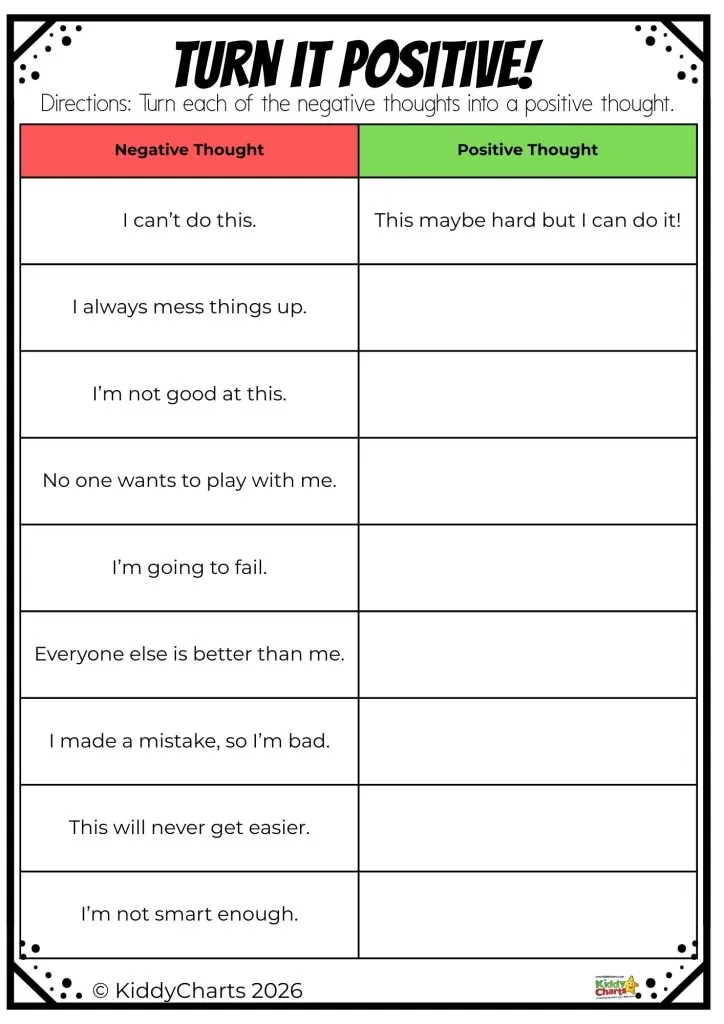
Turn it positive!
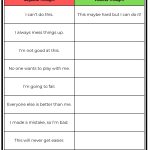
This activity targets the negative thoughts students might have and invites them to transform each one into a positive alternative. It’s a practical example of cognitive reframing: a core strategy in positive thinking activities for students. This activity helps students change negative thoughts and become more confident in their abilities.
Here are some suggested answers to support your kids, and students:
- I can’t do this. → This may be hard, but I will try my best!
- I always mess things up. → Mistakes help me learn. It’s okay that I messed up.
- I’m not good at this. → I can improve at this with practice. Remember the power of ‘yet’—you may not be able to do something yet, but with effort, you can improve.
- No one wants to play with me. → I will find someone to play with, or I can enjoy playing by myself for a while.
- I’m going to fail. → I will try my best, and that is what matters.
- Everyone else is better than me. → I have my own unique strengths.
- I made a mistake, so I’m bad. → Making a mistake doesn’t make me a bad person.
- This will never get easier. → With practice and patience, this will get easier.
- I’m not smart enough. → I am smart and capable of learning new things.


There is no wrong way to approach challenges, and making mistakes is part of learning.
FAIL = First Attempt in Learning….
Another helpful activity is the crumple activity. In this exercise, students write down their mistakes or negative thoughts on a piece of paper, crumple it up to symbolize letting go of those feelings, and then brainstorm ways to improve. This helps students release negative emotions and focus on positive changes. You can also use a worry jar to pop your worries into, or even our worry tree.
Think positive!
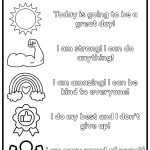
A favourite among positive thinking activities for students, this colouring page features powerful affirmations. Students colour in the phrases and repeat them aloud, building self-confidence and positive self-image with every stroke. Repeating positive statements can help boost self esteem and make students feel more confident. The calming activity of colouring, paired with saying positive words, makes the ideas easier to remember and believe.
Sample affirmations:
- Today is going to be a great day!
- I am strong! I can do anything!
- I am amazing! I can be kind to everyone!
- I do my best and I don’t give up!
- I am very proud of myself for all the things I do!
Activities like compliment circles, where students give and receive compliments, can further boost self esteem. Positive mantras can also be used during meditation or other calming activities to reinforce a positive outlook. Be careful here, though. Some children do struggle with taking compliments, so listen if some of your class or your kids are struggling.
Positive Poster
Collage creation is a creative hands-on addition to your set of positive thinking activities for students. Using magazines, students cut out images, colours, and words that make them feel good and glue them inside the head shape. Focusing on positive things and good things in this activity can help students experience more positive emotions. They finish by writing a positive sentence about themselves. It’s a fun, visual reminder of what makes them unique, and a boost of positivity every time they see it!
Creating quote books is another way to surround students with positivity.
Helping others can also generate feelings of positivity for children and foster a sense of community and belonging, such as through helping others with kindness notecards.



If you have time – you can also use the head to think about things that are upsetting for you, and then brainstorm ways that help and support you through that too.
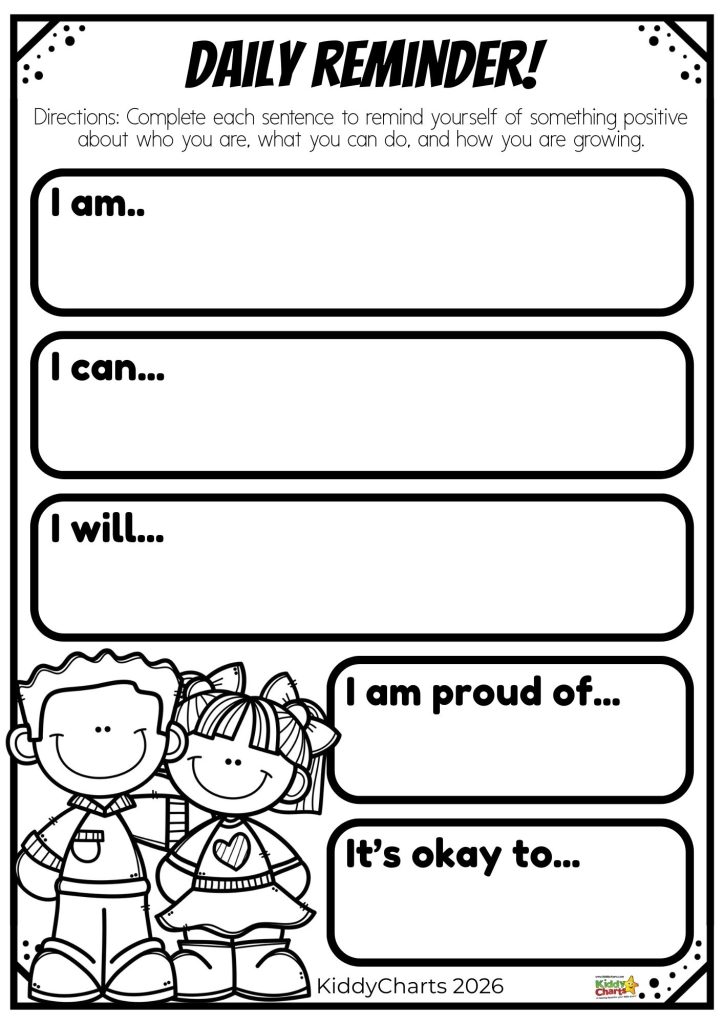
Daily reminder!
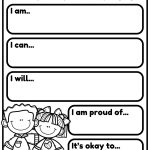
This activity encourages students to complete simple sentence starters that focus on their positive qualities and achievements. This activity helps students develop a more positive outlook and encourages them to think positively about themselves. It’s a gentle and supportive approach to self-reflection, and one of the easiest positive thinking activities for students to do daily, at home or in the classroom.
Suggestions for filling in the blanks:
- I am… kind, helpful, creative, funny.
- I can… learn new things, run fast, draw a dog.
- I will… try my best at school today, be a good friend.
- I am proud of… finishing my homework, helping my brother.
- It’s okay to… make mistakes, ask for help, feel sad sometimes.
Talking about the ‘Success of the Day’ and writing down three good things each day can boost happiness and optimism. Goal setting can help children nurture their dreams and develop a more positive outlook. Small things are all forward progress, and sometimes we need to be reminded of this.
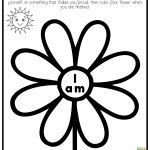
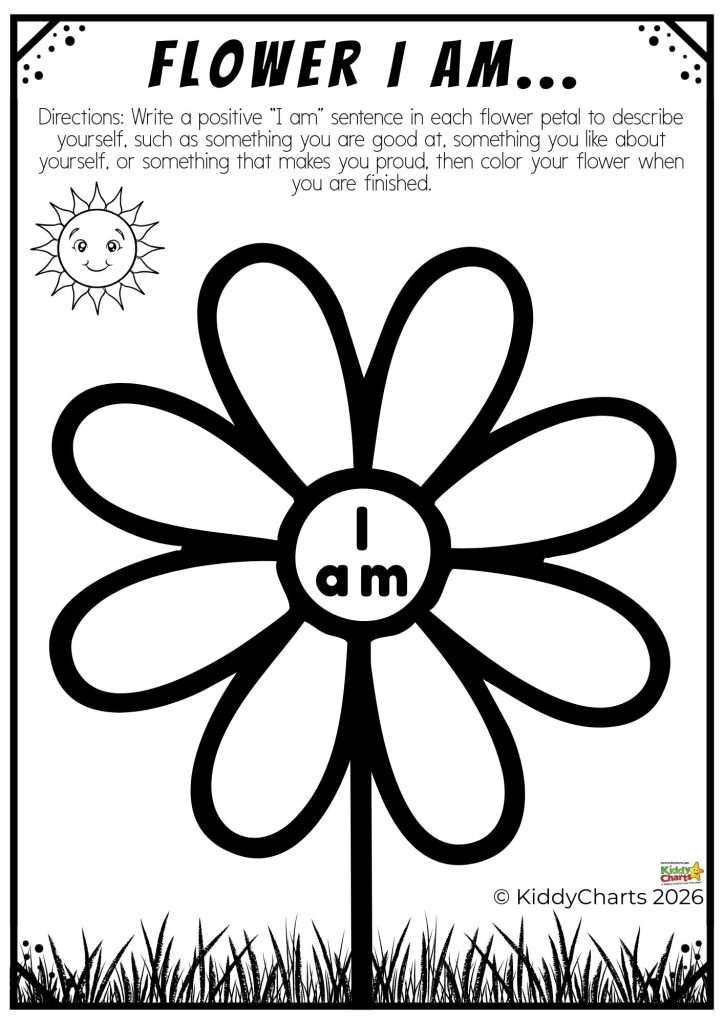
I am flower
Another artistic positive thinking activity for students, this worksheet invites them to write a positive “I am…” sentence in each flower petal. Each petal can show something they’re good at, an aspect of their personality they like, or something that makes them proud. After filling in the petals, students can colour the flower as a celebration of their strengths. Reflecting on their strengths can help students feel more confident, feel happy, and feel safe.
Example ideas:
- I am a good friend.
- I am great at building with LEGO.
- I am a loving sister/brother.
- I am good at telling jokes.
- I am kind to animals.
You can also introduce the Happy Place Visualization activity here, where students draw their happy place and discuss how it helps ground them during stressful moments. Finding a ‘happy place’ can help children recenter themselves and feel positive. Another idea is to encourage students to keep an Awe Journal, where they write down moments they find beautiful or extraordinary, helping them recognize positivity in their lives.
Tips for supporting neurodivergent students in positive thinking activities
Every student is unique, and sometimes positive thinking activities for students need a little adjustment. Here are some simple ideas for making these activities more accessible and enjoyable for neurodivergent children and students:
- For students who find abstract thinking challenging, work on one thought at a time and use concrete, real-life examples.
- Break activities into manageable parts—one or two thoughts, petals, or affirmations at a time helps maintain focus.
- Offer visual choices when filling in open-ended prompts. Use schedules, picture cards, or a choice board to support decision making.
- Allow non-verbal students or those uncomfortable with speaking affirmations to participate in other ways: pointing, gestures, or listening as an adult reads the affirmation.
- Adapt collage or poster activities with drawing or stickers if cutting and gluing is difficult, and reduce sensory overload by limiting material choices.
- Permit dictation or brainstorming sessions before any writing for those who find writing challenging.
- When adapting activities, encourage discussing and talking about feelings in a group or one-on-one setting. This helps students feel safe and supported as they share their thoughts and experiences.
- Try creating a worry box or magic worry box where children can write down their fears or negative thoughts and place them inside. This physical act can help them manage worries and feel more at ease.
- Incorporate Mindful Minutes—structured 2-to-5-minute sessions of deep breathing or meditation—to help students regulate their emotions and foster calm.
- Use storytelling as a tool for positive thinking by sharing stories where characters overcome challenges, helping children relate and build resilience.
- Most importantly, celebrate effort and individual strengths, focusing on positivity and a pressure-free experience.

We hope you and your students enjoy discovering these positive thinking activities for students. They’re a wonderful way to open up conversations about emotions, foster confidence, and who knows—they might even inspire you along the way!
Download your worksheets for free
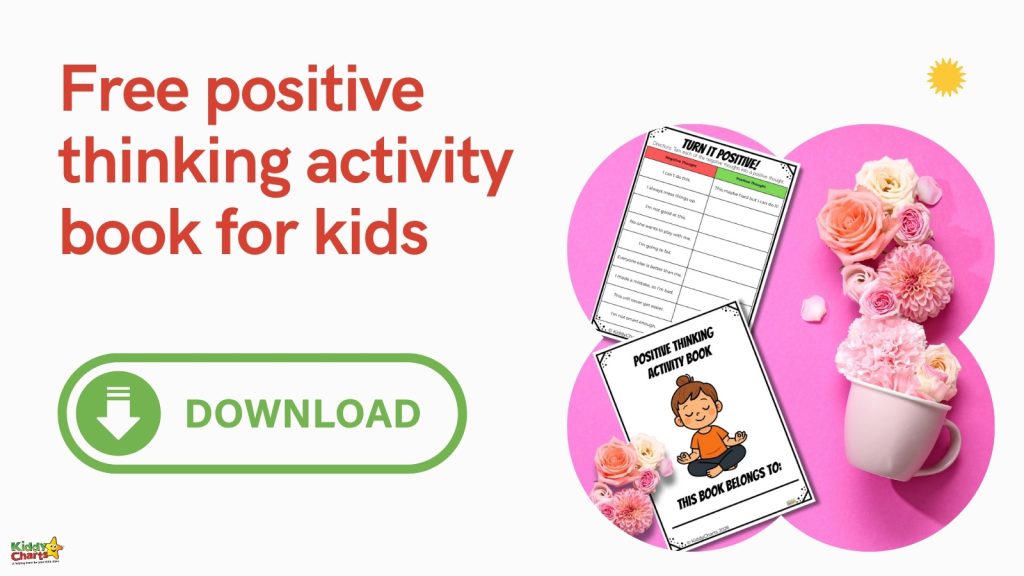
To download these activities, just click on the image or the button below:

We love having you here, so check out some of the other activities relevant to this here:
Other gratitude and kindness ideas from the site
Here are some more positivity and gratitude ideas from the site that you might also want to explore.
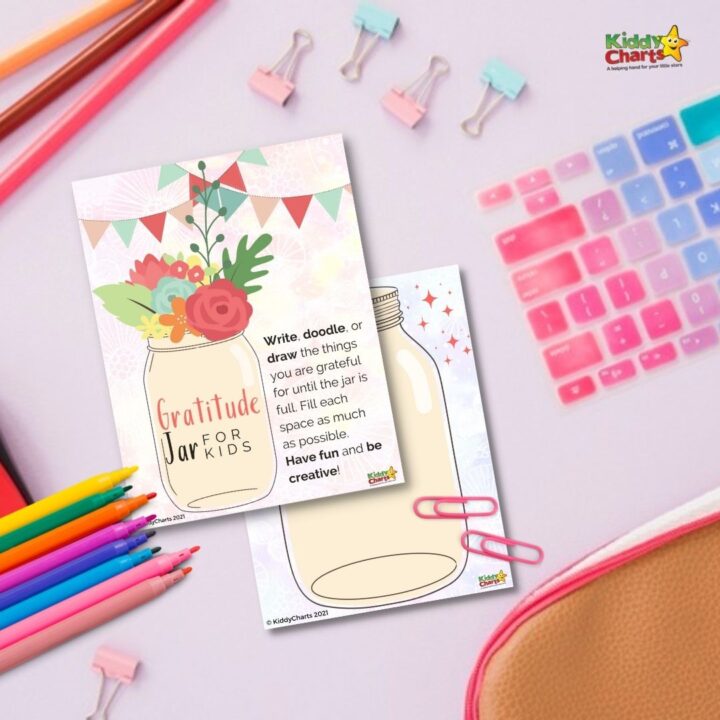
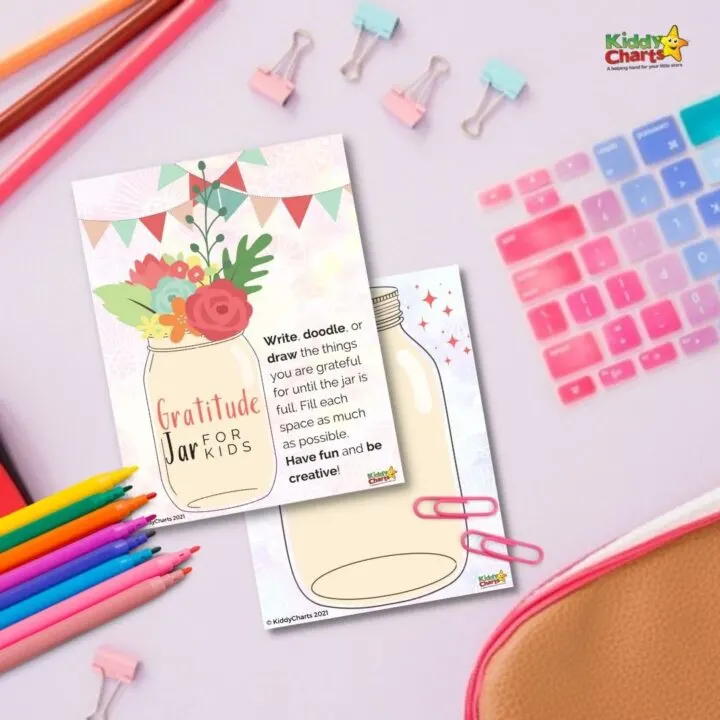
Gratitude jar for kids
Create a tangible place to put some of your gratitude ideas with the kids - using our gratitiude jar.


Positive thinking activities for kids: The Best Bad Day Ever
A book that is designed to help us to think about things in a different way which complements gratitude journalling really well.


Boost your child's day with free printable positive affirmation lunch box notes
Some positive affirmations to include in your ch8ilod's lunchbox which add to positivity practise.
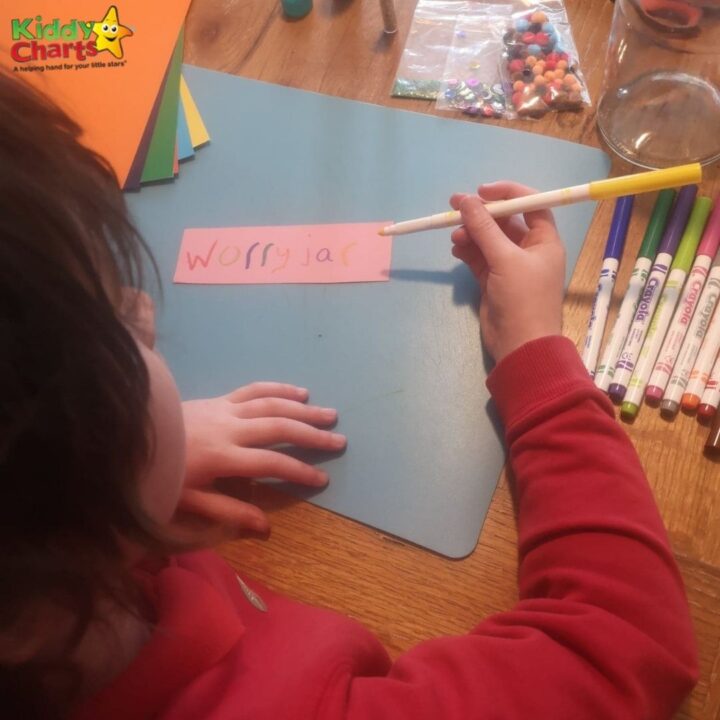
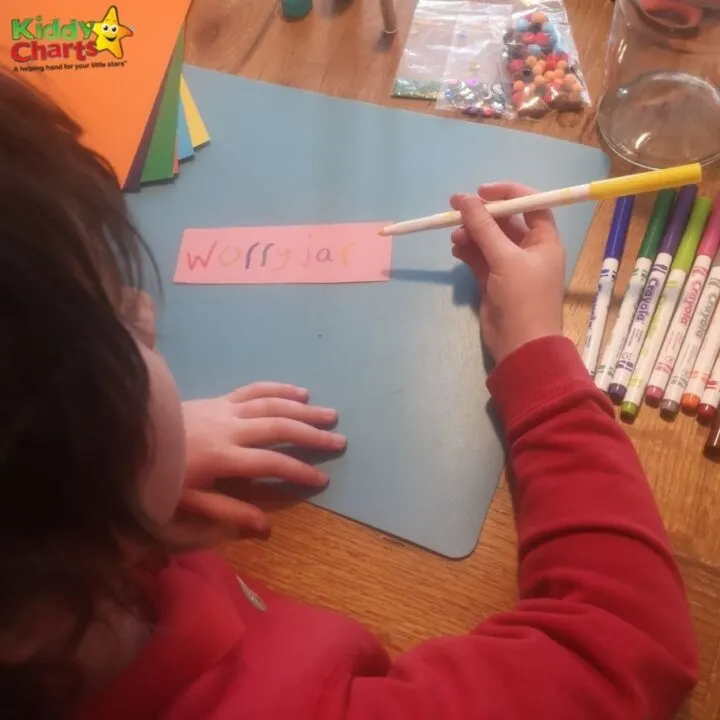
Make your own worry jar #31daysofactivities
Something a little different for you as well - making a worry jar to help to feel a little more ihn control of the worries thst your child is having.
Or offsite as well:
Other positive thinking ideas off site
Here are some more ideas from off site to help build confidence and positive thinking within your kids today.


101+ Positive Affirmations for Kids to Boost Confidence and Self-Esteem
We have some positive affirmations on KiddyCharts - but here are some more ideas from Self Sufficient Kids.


Confidence Building Activities for Kids #LoveYourselfProject
If you weant more ideas for building confidence, check out some of these thoughts from In the Playroom.


100 Success Principles You Need To Teach Your Kids
The growth mindset is an approach to help kids to be successful - check out 100 principles to help you to teach your kids to apply it.
Check out our newsletter and sign up, and see you again soon.
Helen
Helen Neale

Helen is a mum to two, social media consultant, website editor and a qualified counsellor with experience of working with both children and adults. She is a registered member of the British Association of Counselling and Psychotherapists, with her own private practise. She also freelances with her local Mind organisation. Since giving up being a business analyst when juggling travel, work and kids proved too complicated, she founded KiddyCharts so she could be with her kids, use those grey cells at the same time, and supplement her counselling income. KiddyCharts has reach of over 680k across socials and the site. The site works with big family brands to help promote their services, as well as offering free resources to parents of kids under 10. She is a specialist counsellor for neurodivergent individuals and brings this expertise to her resources and the site. She is also an ADHDer herself. KiddyCharts gives 51%+ profits to charities, focused on supporting mental health and a community in Tanzania Helen has also worked as a digital marketing consultant (IDM qualified) with various organisations, including Channel Mum, Truprint, Talk to Mums, and Micro Scooters. She loves to be creative in the brand campaigns she works on. Get in touch TODAY!