
Do you feel like you don’t manage stress well as a parent? If you often find yourself yelling explosively at your kids, then going through periods of intense guilt and emotional withdrawal, you’re not alone.
Many well-meaning parents react excessively to seemingly minor situations, then feel awful about it afterward. The good news is that you can learn how to recognize and manage your emotions so you can become a better, more supportive parent. Here’s what to know about emotional regulation in parenthood and how you can develop it.
This is a collaborative post.
What Is emotional regulation?
Emotional regulation refers to a person’s ability to recognize, evaluate, and exert control over one’s own emotional reactions. Someone with poor emotional regulation skills may react to challenging situations with explosive anger, withdrawal, or verbal aggression. Beyond the harm this type of behavior causes to the person exhibiting it, emotional dysregulation can also have lasting impacts on children.
Poor regulation of emotions often results in inconsistent, reactive, or volatile parenting behavior that can cause children to feel unsafe, fearful, and unsupported. A child with one or more emotionally dysregulated parents may exhibit fear, sadness, withdrawal, anger, or confusion. For these reasons and more, it’s very important for parents to learn how to regulate their emotions and interact with their children in healthier ways. Online therapy sessions can reveal harmful emotional dysregulation patterns and teach how to overcome them with healthier coping strategies.
Signs you might struggle with emotional regulation
Most parents are doing the best they can to raise their kids to be mentally healthy, capable adults. However, if you struggle with emotional regulation yourself, your kids are more likely to develop similar behavioral patterns. If you think you might be an emotionally immature parent, recognition is the first step toward rectifying the problem, so congratulations!
Here are a few common indications that you might struggle with emotional regulation:
- You lose your temper easily and resort to screaming, yelling, or slamming doors when angry.
- You expect your children to meet your needs or help you manage your emotions instead of the other way around.
- You’re emotionally unavailable to your children during times of stress.
- You blame your children for your own failures and outbursts.
- You use manipulative tactics such as guilt or shame to control your children’s behavior.
- You shift rapidly from being warm and affectionate to being cold, dismissive, or angry the next.
If you notice any of these behaviors in yourself or if others have noticed them in you, it’s important to seek positive change.

Why parents should develop emotional regulation
Learning emotional regulation as an adult is hard work, but it’s worth it. Emotionally regulated parents tend to foster more secure attachments with their kids and reduce their household stress levels. Regulated parents also have a greater ability to help their kids manage the big feelings that are a natural part of growing up.
Still not convinced you need to develop emotional maturity? Here are some of the top reasons parents should focus on developing healthy emotional responses to everyday stressors:
Improve child outcomes
Parents who know how to manage their emotions tend to have an easier time helping their children do the same. Kids of emotionally regulated parents often have lower depression levels, better stress-management abilities, and higher self-esteem. They may also have higher academic performance and become more successful professionals later in life.
Prevent harsh parenting tactics
Parents who don’t know how to manage their emotions often treat their children harshly. They may yell, use extremely strict discipline tactics, or even resort to child abuse. On the other hand, parents who learn how to recognize and manage their emotions and behaviors tend to take a healthier, more reasonable parenting approach.
Foster an environment of love and safety
Kids develop best when they’re surrounded by love and safety. Parents who maintain control of their emotions often have children who feel safe to express themselves, explore the world around them, and even make mistakes. A centered, calm parent can help their children deal with big emotions without resorting to impulsivity or reactivity.
Strengthen parent-child relationships
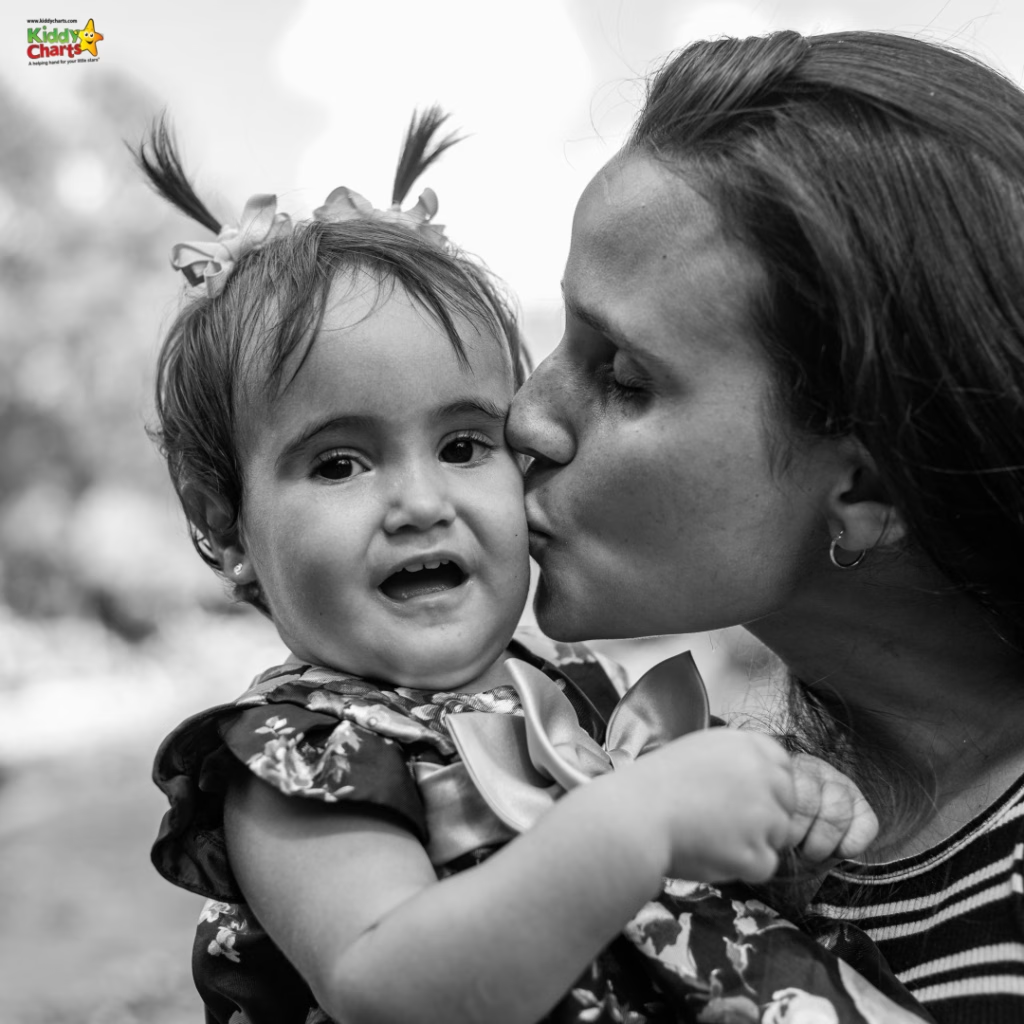
Children tend to pull away physically and emotionally from parents who react explosively to everyday situations. They may struggle to feel affection for their parents and may grow up to be resentful adults. If you want to foster a strong, healthy relationship with your children, it’s important to model calm, regulated behavior. Emotionally regulated parents tend to be more effective at building strong parent-child relationships based on trust, secure attachment, and stability.
How to improve self-regulation as a parent
Are you ready to change your parenting style and become a more empathetic, emotionally stable leader in your home? Here are a few things you can do to get started on your journey to becoming a more emotionally regulated parent:
- Talk with a therapist about your concerns and ask how they can help you develop emotional maturity.
- Recognize and replace harmful reactions and behaviors with healthier responses.
- Acknowledge how your mental state impacts your children and use early intervention techniques to manage outbursts before they occur.
- Work as a family to build emotional regulation skills. You could even turn this challenge into a game that helps children view emotional maturity in a more positive light.
- Repair relationships after difficult moments by apologizing for the parental mistakes you’ll inevitably make.
- Invite children to express their feelings after they’ve calmed down enough to discuss them calmly.
Your journey toward becoming a more emotionally regulated adult will be full of ups and downs. Don’t let your failures frustrate you to the point of giving up. Instead, learn from them and make adjustments as needed to continue becoming a more emotionally mature parent.
We hope that you have found this to be a useful article – do check out some of the other articles that we have on the site that are focused on emotions:
Help your kids in identifying their feelings with these feelings resources that we have for you on the site.
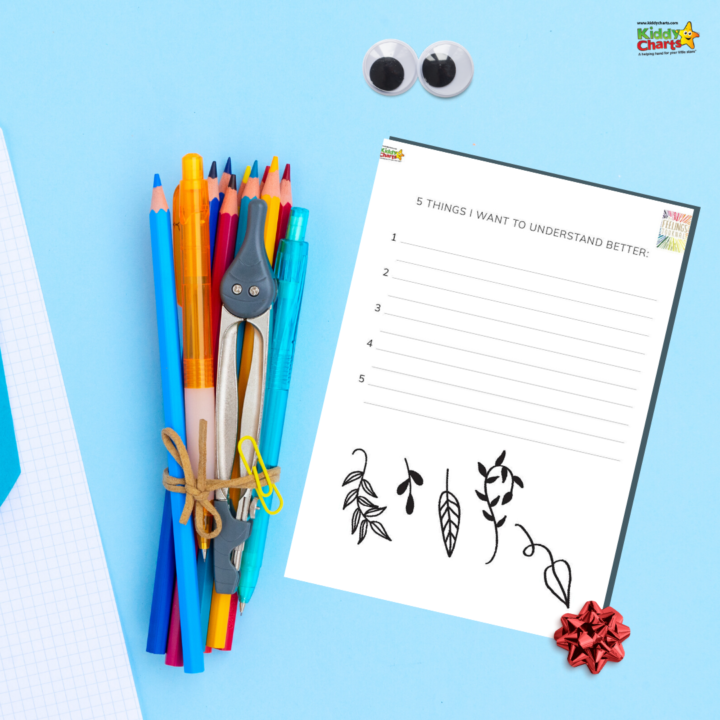
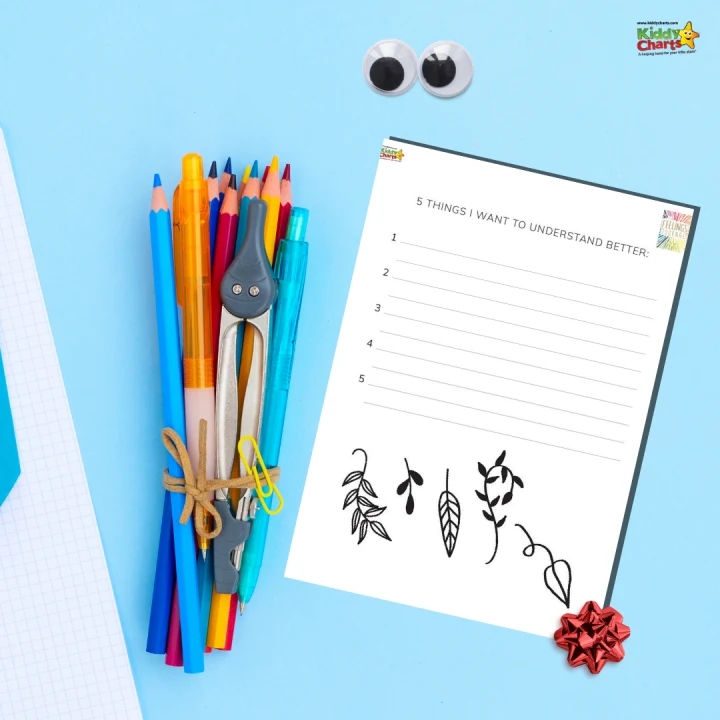
How to help kids understand life better - mindfulness activity
Help your kids be more in tune and understand life better. Have a look at this mindfulness activity.


Friendship mindful activity for kids: Friends who lift my spirits most
Friendship is such an important thing for kids, which is why we have this lovely friendship mindful activity for them to discuss their friends and how they make them feel.
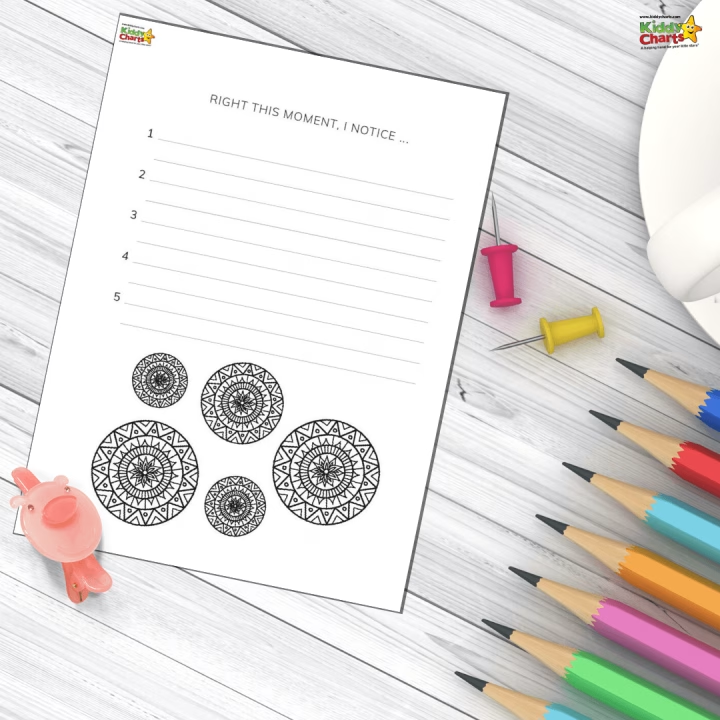
In the moment mindfulness activity for tweens
Help your teens work on their mindfulness with this in the moment mindfulness activity.
Alternatively, there are others offsite that might help too:
More feelings resources from the web
Here are some great resources and activities centered around feelings for children.
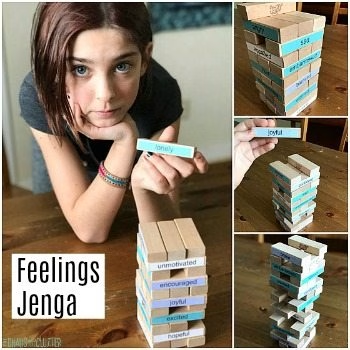
This activity from The Chaos and Clutter is a fun Jenga game that helps kids to talk about their emotions.
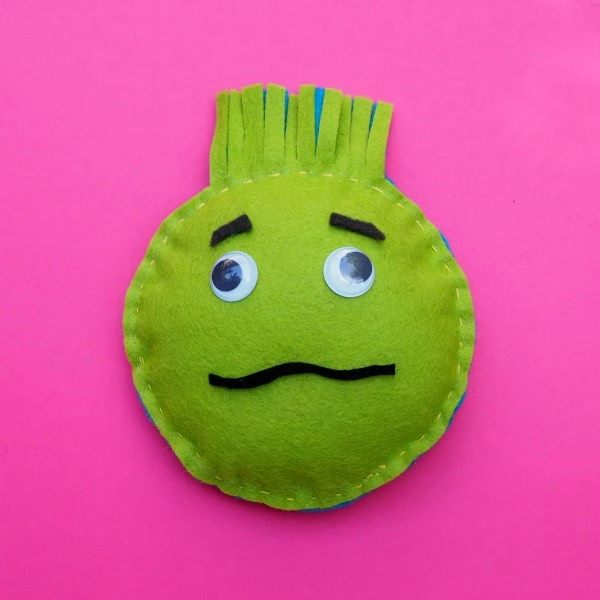
Meet Lester, helping kids express feelings. Often children find talking about their feelings a little difficult. But Lester is here to help!
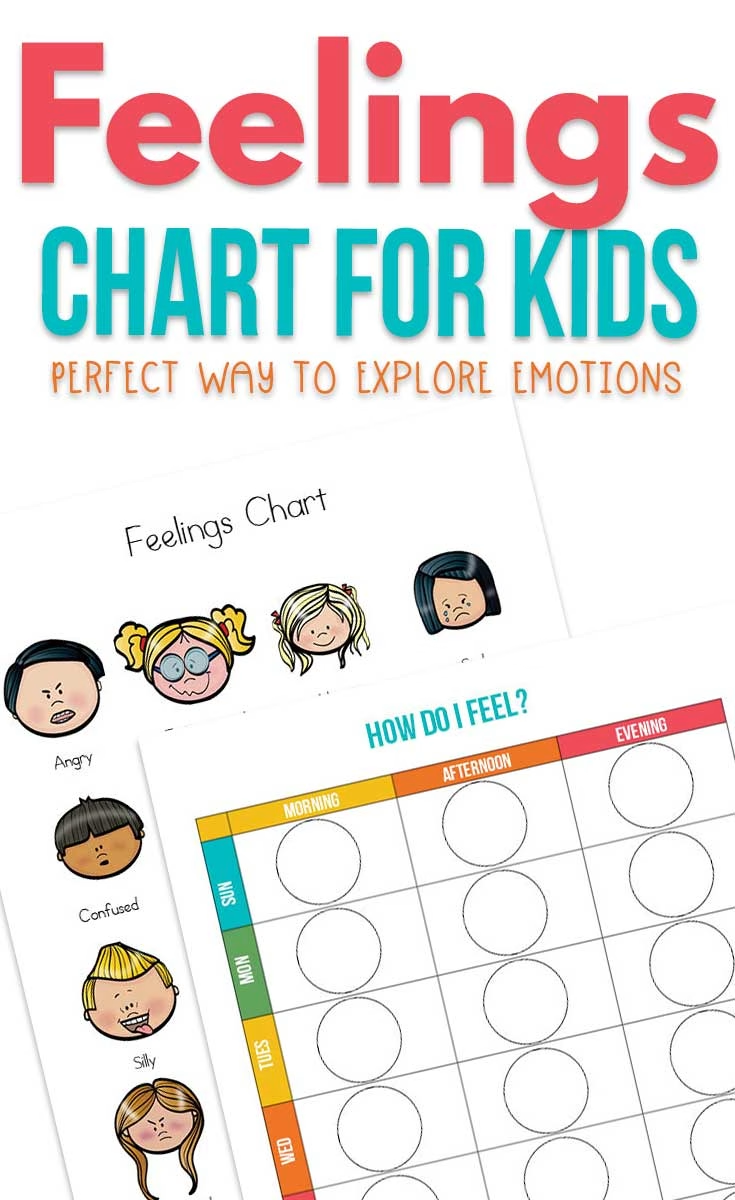
Use this simple feelings chart for kids to help your kids learn about emotions. When kids can recognize and name their feelings, they can deal with them.
Thanks for coming to see us, and we hope you pop over again soon.
Cheers,
Helen
Helen Neale

Helen is a mum to two, social media consultant, website editor and a qualified counsellor with experience of working with both children and adults. She is a registered member of the British Association of Counselling and Psychotherapists, with her own private practise. She also freelances with her local Mind organisation. Since giving up being a business analyst when juggling travel, work and kids proved too complicated, she founded KiddyCharts so she could be with her kids, use those grey cells at the same time, and supplement her counselling income. KiddyCharts has reach of over 680k across socials and the site. The site works with big family brands to help promote their services, as well as offering free resources to parents of kids under 10. She is a specialist counsellor for neurodivergent individuals and brings this expertise to her resources and the site. She is also an ADHDer herself. KiddyCharts gives 51%+ profits to charities, focused on supporting mental health and a community in Tanzania Helen has also worked as a digital marketing consultant (IDM qualified) with various organisations, including Channel Mum, Truprint, Talk to Mums, and Micro Scooters. She loves to be creative in the brand campaigns she works on. Get in touch TODAY!