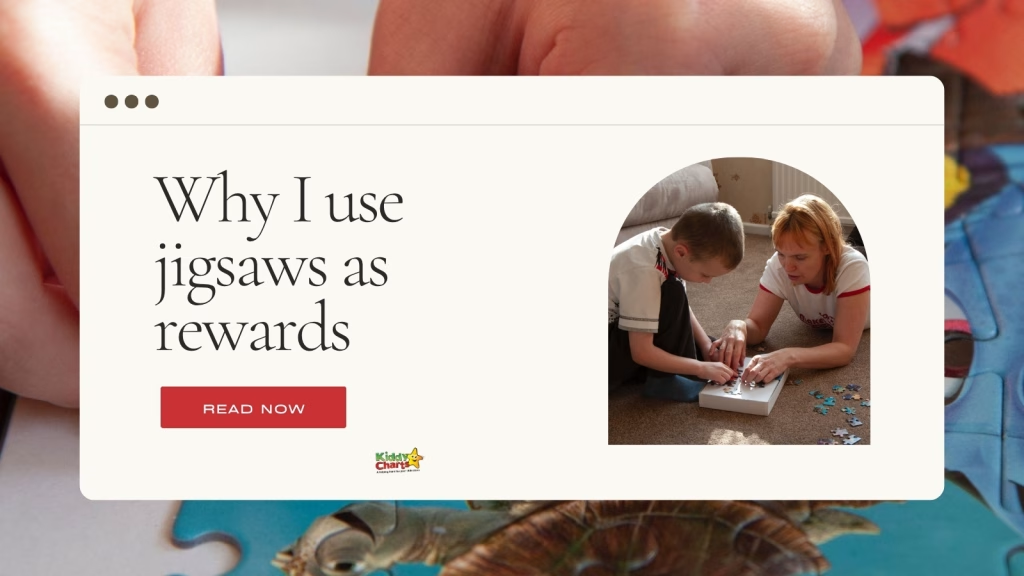
I never thought I’d become *that* parent who gets excited about educational activities. But here I am, three years into parenting, and I’ve discovered something pretty amazing. Jigsaw puzzles work just as well as stickers on our reward chart.
How I stumbled Into this discovery
My 7-year-old Emma was going through a rough patch with homework. She’d finished her math worksheet without complaining for 4 days straight (which felt like a miracle), but our usual reward system wasn’t cutting it anymore. Those gold star stickers felt a little bit boring to her now. Extra screen time wasn’t working either – she actually asked for something different. We thought it was time to mix it up, and perhaps incorporate a chart where you can pick your own rewards.
This is a collaborative post.
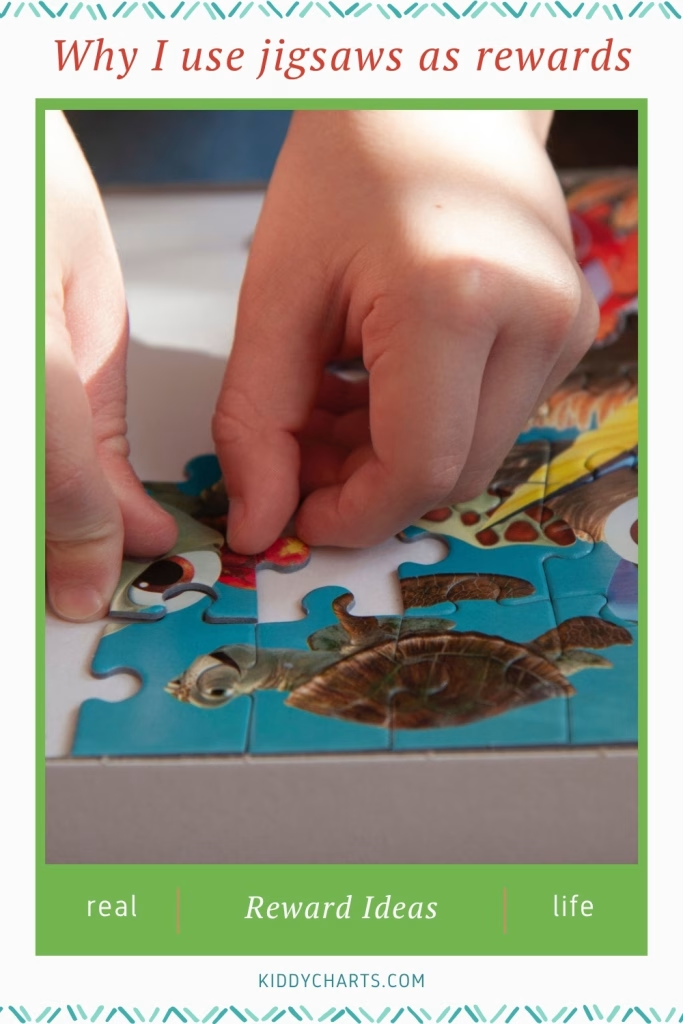
That’s when I remembered the dusty puzzle box sitting in our closet. 100 pieces. Some cartoon characters she used to love. Maybe that’d work as the goal… 🤔
“Want to try this instead?” I asked her one afternoon.
She shrugged, not particularly excited. But 45 minutes later she was completely absorbed in sorting edge pieces and muttering to herself about colors.
What happened next surprised me
Here’s what I noticed over the following weeks. Emma started asking to earn puzzle time instead of other rewards. Her little brother Jake (he’s 4) wanted in on the action too.
Puzzles hit different reward buttons than traditional treats. They require focus, which actually helps kids wind down after busy school days. Completing them gives a real sense of achievement rather than just instant gratification. Kids can work on them over several sessions, building anticipation. And they’re naturally screen-free.
But the real surprise? I started joining them. We’d spread pieces across the kitchen table after dinner, and suddenly we’re all talking about our days without me having to drag conversation out of them.
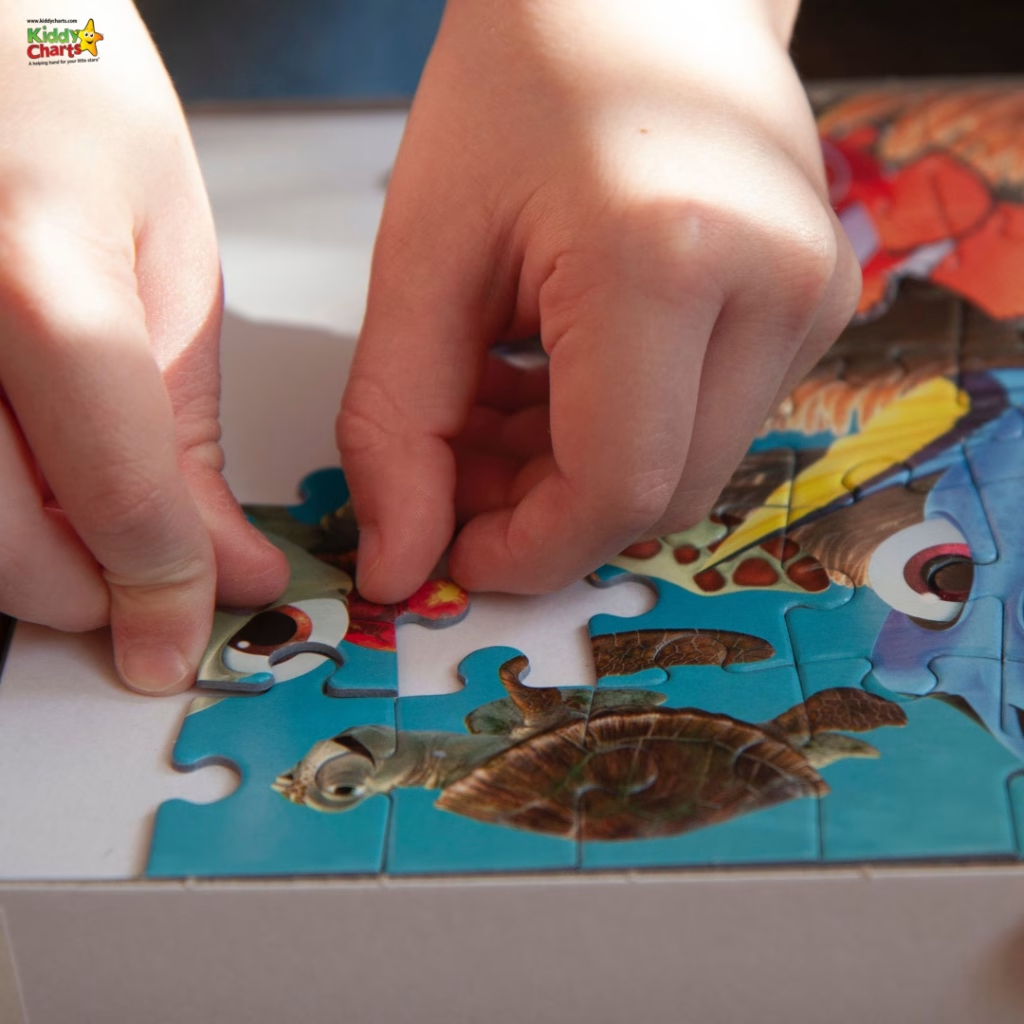
The sweet spot I discovered
Not all puzzles work the same way as rewards. I bought Jake a 500-piece landscape puzzle thinking bigger was better. Major meltdown.
Age matters big time here. Jake does best with 24-48 pieces max. Emma can handle 200-300 pieces now. But here’s something interesting – I let them choose their own difficulty level when they’ve earned puzzle time, and they’re actually pretty good at self-regulating. Sometimes Emma picks an easier one because she wants that quick win feeling after a tough day. Sometimes Jake insists on trying Emma’s harder ones with my help.
I keep a rotation of about 6-8 puzzles going at any time. Some are seasonal like Halloween monsters and Christmas scenes, others are animals or favorite movie characters. When they complete one, we take a photo and then mix the pieces back up.
How we actually use them
I integrated puzzles into our existing reward chart system. Instead of “earn 5 stickers, get a small toy from the dollar store,” now it’s “earn 5 stickers, pick a puzzle for family time.”
We usually tackle them right after dinner, before bath time starts. Both kids know that puzzle time means phones go away completely – mine included – and we focus together. Some evenings we finish a whole puzzle in one sitting. Other nights we just work on it for 20 minutes then pack it up.
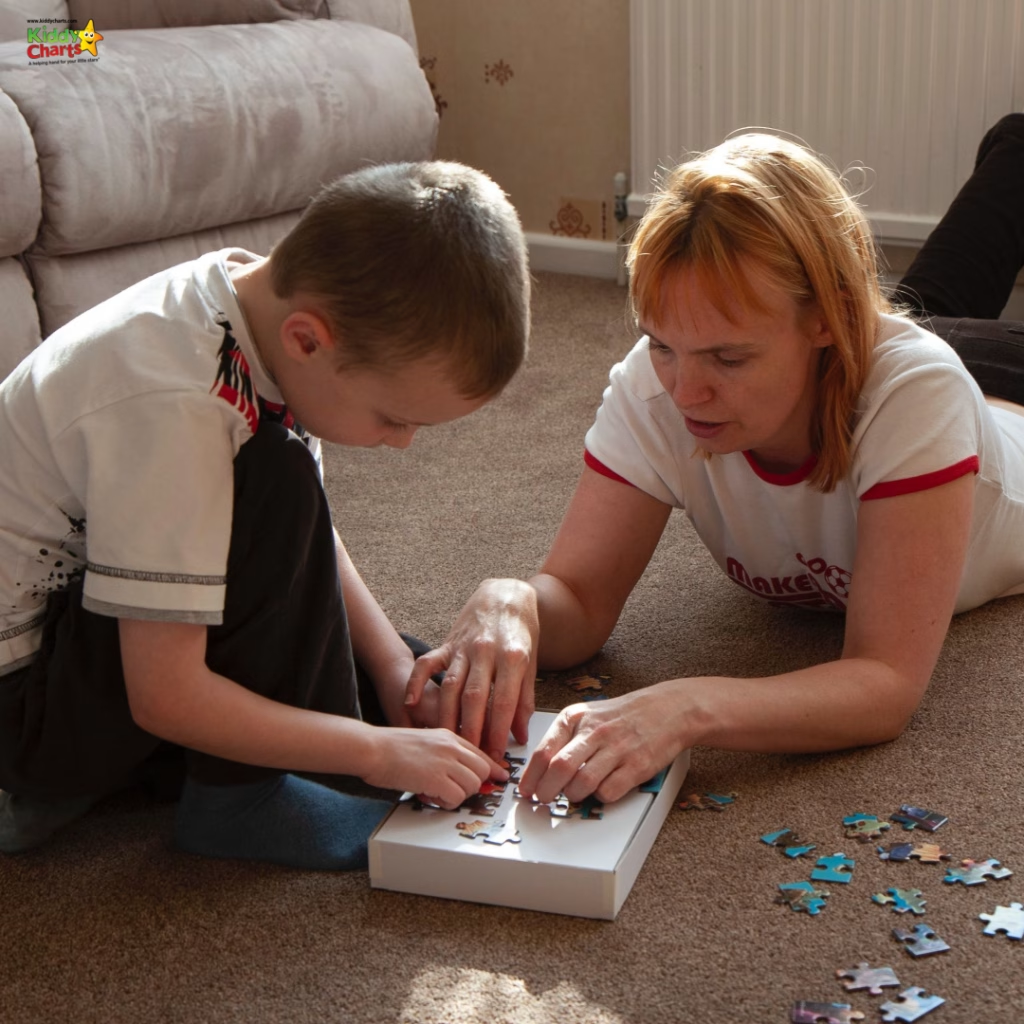
Jake has learned to sort by colors first. Emma goes straight for edge pieces like I taught her. I usually just hand them pieces and watch them problem-solve.
The best part though? They’re actually asking to do chores now because they want to earn puzzle time. Yesterday Jake voluntarily put away his toys because he wanted to work on his new dinosaur puzzle.
I never expected a simple reward system tweak to become our favorite family activity, but here we are fighting over who gets to place the final piece.
We hope you like this article on rewards, do check out some of the others on the site, alongside all the amazing free charting resources that we have. All our charts are listed within that section at the top of this page.
More reward chart ideas on KiddyCharts
Here are some more tips, ideas, and charts for you to check out on KiddyCharts. We hope you love them all.
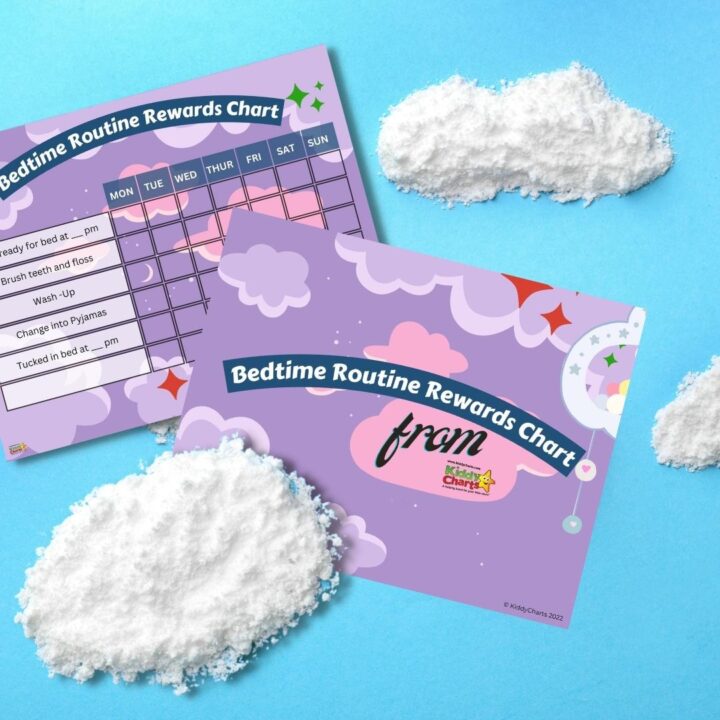
Bedtime routine chart to print now
This is a specific bedtime chart for you to take a look at - a great idea with a schedule depending on the age of your child too.


Free Printable Potty Training Chart for Toddlers
These are our amazing potty training charts, and yes, they are a race track, and amazing! we have other designs too, so check then out in this post.


Using charts to help with the age old problem of bedwetting
Using the reward chart to help with bedwetting - advice from a specialist.


Good rewards for kids: 17 top reward ideas FOR kids BY kids!
Here are some fabulous ideas for reward charts chosen by kids - so they must be good, right?
We’d love you to come back and see us, so do bookmark our page or sign up to our newsletter.
Thanks for coming,
Helen