
Starting a new school year can be an exciting time, but for some children and parents, it also brings a wave of anxiety. Adjusting to new routines, schedules, and sometimes even schools can feel overwhelming. We understand the struggles associated with a new school year, so we are offering some ideas to help turn this transitional period into an opportunity for growth and potentially even confidence-building.
As a qualified counsellor and even more importantly, a parent, we are sharing 10 practical tips to help ease back-to-school anxiety for both you and your child. We KNOW that some of you will have tried all of this, and it won’t have worked. We aren’t tackling the school environment here, and in many cases, this is the first thing that needs to be adjusted to support a child. The blame for school anxiety isn’t with your child, or you. Some of your children may be in burnout, or neurodivergent, or wonderfully unique and different. We therefore also know that some of this isn’t suitable for your child, particularly if they are autistic with a PDA profile.
Take what works for you, or nothing at all. These are ideas that sit within your home, without suggesting that you are at fault. They are practical tips to be combined with a detailed look at the school system your child is within. Children cannot regulate their emotions, if they are not sensorily regulated first. School systems play a huge part in supporting this first and foremost.
If you feel you need extra support, reach out to us, or to our editor, who is a counsellor working with neurodivergent children and adults.


Fear of Schools:
1. Establishing a predictable routine to try to overcome it
Some children thrive on routine, especially during times when there is a lot of change. We can start implementing school-day routines before school begins if possible, perhaps a week or two before term starts. This might include setting a consistent wake-up time, bedtime, and even meal schedule. For example, when my children were younger, and after the summer, mornings could be a struggle. Some children may find it particularly difficult to get out of bed in the morning, but establishing a consistent routine can help with this challenge. We started to move bedtime earlier and set up a fun rewards chart for getting ready on time. We appreciate that this doesn’t work for everyone, but just moving things forward gradually, breaking changes into smaller steps, sometimes just by 15 minutes at a time, a week or so before starting school, can be beneficial and make the transitions easier.
Additional ideas for routine might also include:
- Creating a visual schedule for younger children, perhaps drawing on our care charts if they are relevant to you,
- Gradually adjusting sleep times, moving closer to school hours, and ensuring children get enough sleep each night to support their well-being,
- Using a bedtime routine that includes calming activities like reading or quiet reflection, and focusing on winding down at night and creating a calming environment to improve sleep quality. You could even check out our bedtime reward chart in case it helps.
Creating a to do list for the morning can also help children feel more prepared and reduce stress.


2. Create open lines of communication
Talking openly about your child’s feelings can go a long way in reducing their worries, particularly if you are able to employ active listening when doing so. It’s important to focus on asking open-ended questions if you can. For instance:
- “What are you feeling nervous about?”
- “What are you most excited to do this year?”
When you ask open-ended questions, you can better understand how a person feels, which can help you provide more effective support as a parent.
Examples like this can open the door for honest conversations. You might find that your children are confiding in you about some of their worries, such as making new friends in their new classes. Just setting aside time each evening to talk about what has happened at school can make children feel truly heard, and together you can come up with ways they can start conversations with new classmates.
Empathetic responses, such as below, can help your children to really feel you are listening to them and can be helpful in making them feel understood and supported:
- “It’s okay to feel nervous; you’re not alone.”
- “How can we work through this together?”
Why not check out our worry tree to help discuss specific worries too?

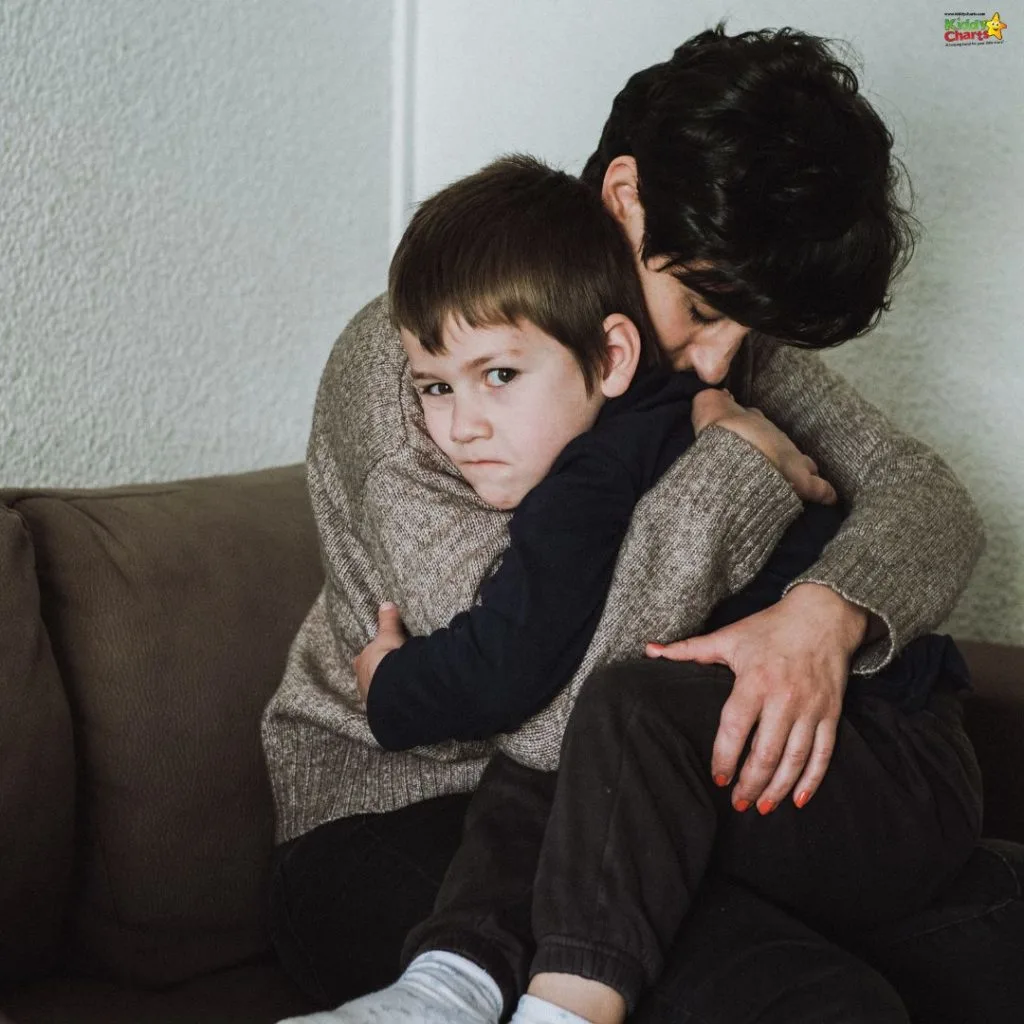
3. Plan a school visit during school hours
New environments can be intimidating, so take advantage of opportunities like open houses, induction or orientation days before the new school term starts. Being able to spend a little time one afternoon before beginning for real just walking the campus, or finding their classrooms and meeting the teachers, as well as even timing the walk between home and school, can help alleviate some concerns. With just a little bit of preparation it can help children to know exactly where to go on the first morning and feel more ready for the changes. These visits can also make it easier for children to attend school confidently on the first day.
This familiarity really does reduce the ‘fear of the unknown,’ making the transition much less daunting.
4. Introduce relaxation techniques
Starting to try to teach some relaxation skills can equip children with valuable tools to help to manage their worries. Deep breathing, visualisation, or mindfulness exercises can be surprisingly effective. Breathing more consciously helps to bring our cognitive brain back online to support more logical thinking, rather than our fight, flight, freeze response kicking in. Even simple breathing exercises can be beneficial once children learn to recognise their bodily responses to worry. Symptoms like a racing heart or upset stomach can be signs of anxiety and indicate when these techniques might be helpful. These relaxation practices can also help increase motivation to face new school experiences. Some examples might include:
- Deep Breathing Exercises: Encourage your child to inhale for four counts, hold for four counts, and exhale for six counts. Repeat three times for calm. We also have a star breathing idea for children too, as well as breathing by tracing your hand, both of these can be beneficial to children, and you may also find our Help Me Calm Down activity sheet useful as part of your calming toolkit.
- Mindfulness Jar: Create a glitter jar together to visually demonstrate how thoughts settle with a bit of calm and focus, and
- What a Day: A Mindfulness book for kids – where we have provided some activity sheets as well.


5. Set small achievable goals
Goals create focus and boost confidence. Work together with your child to set small, reachable milestones for the first weeks of school. Perhaps they can make a new friend or complete homework on time. For instance, if your daughter is a little bit shy and finds it hard to approach new classmates, perhaps you can come up with a plan together? You might agree she would try saying “hi” to at least one new person each day. By the end of the week, she might find that she has spoken to a few new friends and could even be invited to play at playtime.
While setting small, manageable goals is important, discussing long term goals can also help children stay motivated throughout the school year by giving them a sense of direction and purpose.
Write goals down and display them somewhere visible, and remember there are many things parents and children can do to support progress, from rewards to encouragement.
Reward progress, and it doesn’t matter at all how small that progress might seem to be.
6. Focus on positives
If it is possible to move the narrative from anxiety to excitement, this can help children see the fresh possibilities ahead. Perhaps talk about the things they can look forward to, whether it’s learning a favourite subject, joining a new club that offers personal growth opportunities, or spending time with friends and family in their favourite activities to boost excitement.
One way of doing this is to create a “positivity jar” together. Each morning, you can pull out a slip of paper with something to look forward to, like art class, lunch with friends, or spending time outdoors. This simple activity can start mornings on a brighter and hopeful note.


It is helpful to start noticing the glimmers in your day to foster positivity, so why not check out our article on glimmers around screentime, as well as our gratitude journal too?
7. Maintain healthy habits
Physical well-being supports mental wellness, so don’t forget to also prioritise healthy sleep, nutrition, and movement. One idea might be to make healthy lunches together and maybe take a short walk after dinner. Getting some fresh air during these walks can benefit both mental and physical health. This can not only reduce everyone’s stress, but also create valuable time to connect and talk about the next day.
- Ensure at least 8-10 hours of sleep if you can: and we know that many of you are trying to do this already and sleep can be difficult for your anxious children. Check out this article on ADHD and sleep for some thoughts here,
- Provide balanced meals with brain-boosting foods, and
- Encourage at least 30 minutes of daily play or exercise.
Remember, practicing self care is essential for maintaining healthy habits and reducing stress.
8. Use technology tools for additional safety
One major source of parental anxiety is knowing your child is safe traveling to and from school, particularly for those who children have SEND needs. For these parents, there is the added anxiety of wandering too. Recent stats from the National Autism Association in America said that 7 children a month die due to wandering which is a stark statistic. Innovative technology tools such as GPS monitoring devices can offer some extra peace of mind for parents.
If you have concerns about your child’s safety or SEND needs, you can also seek professional support from qualified professionals such as GPs, therapists, or social workers.


9. Practice leaving with short separations
Separation anxiety sometimes crops up as the start of school approaches. Practising short-term separations in advance can help make a big difference, as it helps your child become comfortable with being apart and trust that reunions always follow. Each time we return as promised, perhaps from another room while we are cooking as long as we are leaving our kids in a safe space, that builds confidence that being apart is only temporary. Sometimes, family issues or personal issues at home can make these separations more challenging for children, affecting their comfort and confidence. It also helps to:
- Say goodbye confidently without prolonging the moment, and
- Reinforce that you’ll be back after school for a joyful reunion.
10. Teach problem-solving skills
Empowering children with effective problem-solving techniques helps them face new challenges with confidence. Perhaps brainstorming ideas for problems together can help our kids to understand that problems are not insurmountable. For example, if worried about sitting alone at lunch, you could talk through lots of possibilities, like joining a club or asking to sit with familiar classmates. Practising these scenarios at home could also give children the courage to try them for themselves.
If your child shares a worry, brainstorm solutions together and encourage them to pick the one that feels best to try out. Parents can lead their children through the problem-solving process by guiding discussions, helping them evaluate options, and supporting their decisions.
Research shows that teaching problem-solving skills is effective in building children’s confidence and resilience.


Overcoming obstacles: Navigating setbacks and challenges
Setbacks and challenges are a natural part of life, whether your child is navigating the school environment or you’re facing difficulties in your current job. It’s completely normal to experience negative feelings or moments of self-doubt, especially during times of change or increased responsibility. These feelings can impact mental health and overall well-being, making it important to recognize and address them early on.
If your child is struggling with feeling anxious about school, the first step is to identify the underlying reasons behind these emotions. Is it a specific situation, such as poor communication with a teacher, an environmental trigger, or perhaps a sense of being overwhelmed by too much? Taking time to reflect on what’s causing these feelings can help you develop effective strategies to move forward.
Once you’ve identified the challenges, try breaking them down into smaller, manageable goals. For example, if your child is finding it tough to make friends at school, encourage them to start with simple steps like saying hello to one new person each day.
Support is key during challenging times. Don’t hesitate to reach out to a mental health professional, school counsellor, or supportive family member if you need extra help. Sometimes, just talking through your concerns can provide a fresh perspective and help you find a healthy way forward.
Remember, overcoming obstacles is not about avoiding difficulties, but about trying to build resilience and learning from each experience. With the right strategies and support, your child may be able to navigate setbacks, reduce stress, and create a greater sense of well-being.
Keeping positive about back to school
The back-to-school period doesn’t have to be a time of high stress. By establishing routines, fostering open communication, and empowering your child with simple strategies to manage their worries, you can help to focus on growth and excitement instead.
In some cases, children may experience school refusal, which may require additional support from professionals or the school. It’s also common for some children to want to stay home due to anxiety, and many families face this experience together.
Remember, you’re not alone in navigating this period. You’ve got this, and so do they. Clinical practice from mental health professionals can be valuable for families dealing with persistent school-related anxiety.
We do have other resources associated with back to school on the site, so do check them out:
Back to School with KiddyCharts
Some help with making getting back to school that little bit easier to deal with.

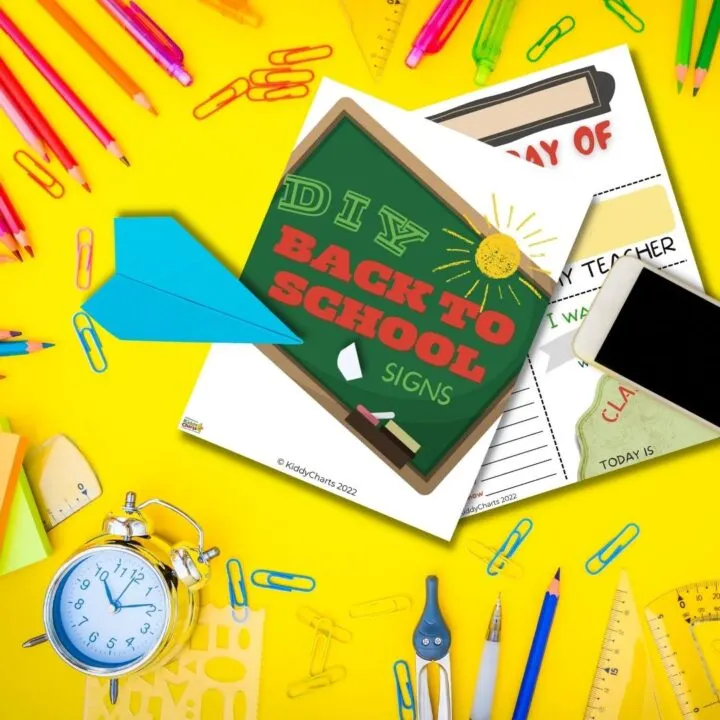
Free back to school signs to print out today
This is a lovely thing to do with the kids - get them to give you all their favourite things each year, so you have a record of whats going on in their heads from year to year.


Free book covers for back to school and beyond
Covers for those pesky books


Free lunch box notes for your kids #52KindWeeks
Free lunch box notes to remind your kids to be Kind; not that the necessarily need it of course!

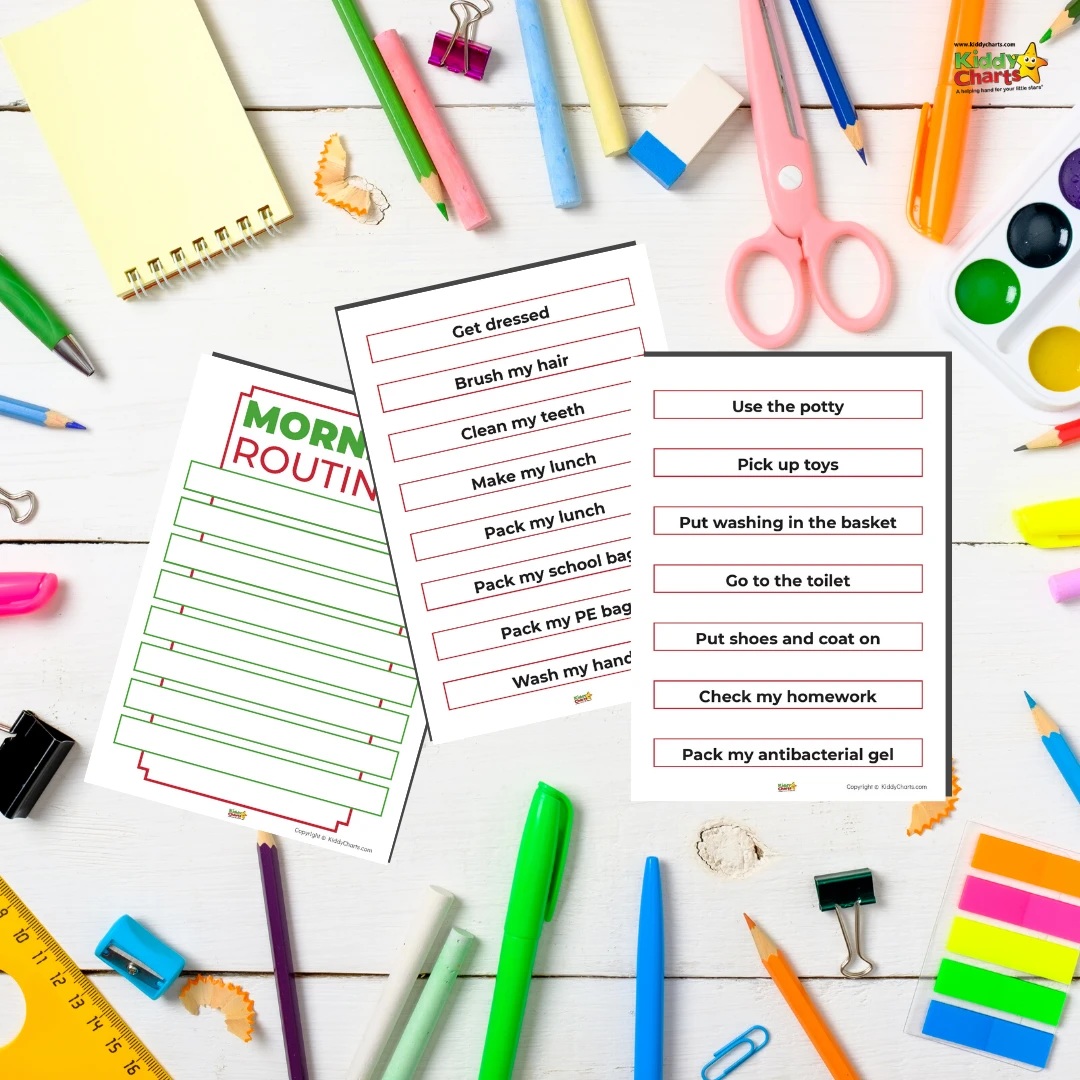
Back to school morning routine chart - free printable
A routine chart for the kids and you to help them on their way.


Ready for school checklist: Never forget stuff again! (ish)
Get their stuff ready - don't forget the vaccine (for you), masks, and their hand sanitiser now too!
And other resources off site as well, including some that offer personalized content to address specific needs related to fear of schools:
Back to school from the internet
Here are some more back to school ideas from other sites around the world - we love them all!


School Morning Routine Tips For A Stress-Free School Run
Ideas to help ease the school run.
6 Back-to-School Self-Care Tips for Moms - Get Healthy U
Ideas for back to school to help mum feel a bit better too.
How to ease back to school stress for moms
Some more thoughts for easing back to school stress for mum. It can be tough for us mums/moms too, so let's help there as well.
Thanks as always for coming to see us, and we do hope that you will join us again as well.
Helen


Helen Neale

Helen is a mum to two, social media consultant, website editor and a qualified counsellor with experience of working with both children and adults. She is a registered member of the British Association of Counselling and Psychotherapists, with her own private practise. She also freelances with her local Mind organisation. Since giving up being a business analyst when juggling travel, work and kids proved too complicated, she founded KiddyCharts so she could be with her kids, use those grey cells at the same time, and supplement her counselling income. KiddyCharts has reach of over 680k across socials and the site. The site works with big family brands to help promote their services, as well as offering free resources to parents of kids under 10. She is a specialist counsellor for neurodivergent individuals and brings this expertise to her resources and the site. She is also an ADHDer herself. KiddyCharts gives 51%+ profits to charities, focused on supporting mental health and a community in Tanzania Helen has also worked as a digital marketing consultant (IDM qualified) with various organisations, including Channel Mum, Truprint, Talk to Mums, and Micro Scooters. She loves to be creative in the brand campaigns she works on. Get in touch TODAY!