





Grief is a complex emotion, especially for children. To help guide them through the challenging process of loss, we at KiddyCharts are proud to introduce our new grief worksheets for kids, these are free, and also a companion to a recommended book as well in the Be Well Read club for kids. Don’t forget to sign up to that to get the free worksheets and book suggestions every month.
These worksheets are specifically designed to assist children in understanding and expressing their feelings during difficult times. And the book club is focused on creating positive mental health for our kids too. All worksheets are easy to print, making them perfect for use at home or in the classroom.
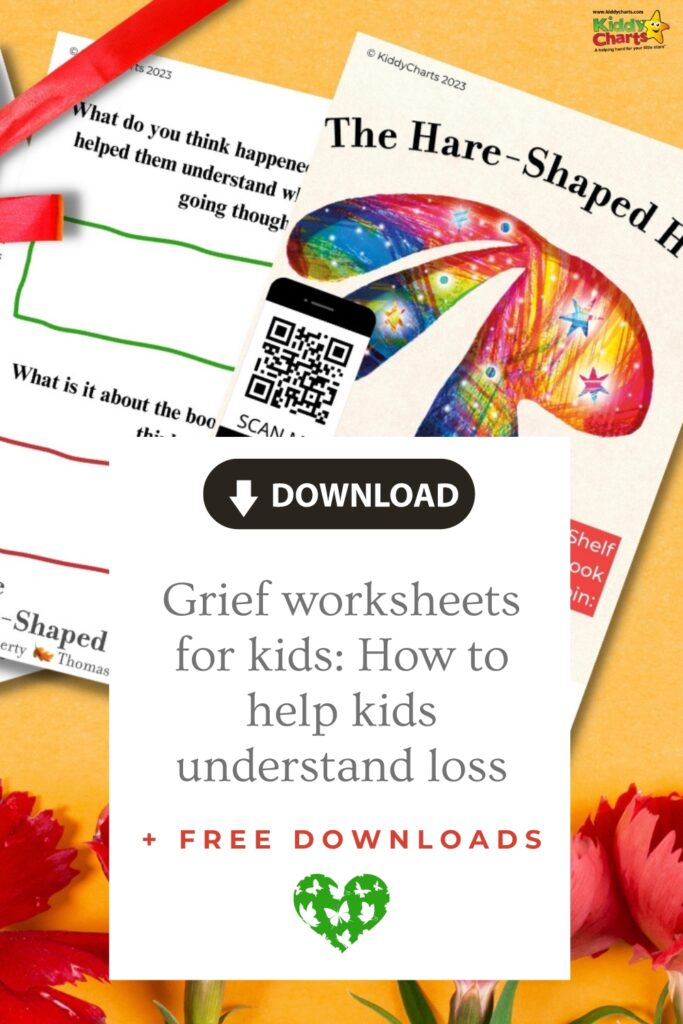

Our grief worksheets for kids offer a series of engaging and therapeutic activities. From drawing exercises to writing prompts, these worksheets provide a safe space for children to explore their emotions and share their thoughts about loss. Children are encouraged to write about their feelings as part of the worksheet activities, helping them process grief through expressive writing.
Before we share the activity sheets for helping kids with loss and grief, here are some practical tips for helping with grief.
Understanding Grief
Grief is a deeply personal journey, especially for children who may be experiencing the loss of a loved one for the first time. It’s important to remember that grief doesn’t look the same for everyone—some children might feel sad, others might be angry, confused, or even seem unaffected at first. The process of grieving can be influenced by the nature of the loss, the child’s relationship with the loved one, and the support they receive from family and friends. By helping children understand that their feelings are normal and that there’s no “right” way to grieve, we empower them to express themselves honestly. Resources like grief worksheets, activity handouts, and supportive workbooks can make a real difference, offering children practical ways to explore their emotions and find comfort during a difficult time. With the right help and understanding, children can begin to process their l
Top 5 tips to help kids with loss


Alongside our grief worksheets, here are five tips to further assist children dealing with loss:
- Open Communication: Encourage children to express their feelings. Let them know it’s okay to talk about their loss and that their feelings are valid.
- Assure Stability: Maintain routines as much as possible. Familiarity can provide a sense of security during uncertain times.
- Express Emotions Creatively: Art, music, or writing can be therapeutic outlets for children to express their feelings.
- Encourage Remembrance: Help children remember the person or pets they’ve lost. This can be through photos, stories, or keepsakes.
- Seek Professional Help if Necessary: If a child’s grief seems prolonged or particularly intense, don’t hesitate to seek help from a mental health professional, or a counsellor. Helen Neale works with Headstuff ADHD Therapy, so check them out. Alternatively, there are some wonderful specialist charities that can help, such as Winston’s Wish. Don’t forget to check out our guide on how to help kids with grief from them on site alongside these worksheets.
It’s also important to support a grieving friend. Encourage children to show empathy, listen actively, and offer emotional space to friends who are experiencing loss. Being there for a grieving friend can make a significant difference in helping them cope.
Hare-Shaped Hole: A wonderful book to guide children through grief and loss
In addition to our worksheets and tips, we recommend the book “The Hare-Shaped Hole“ by John Dougherty, and illustrated by Thomas Docherty. This beautiful book tells the story of a brave hare facing a challenging journey — one that involves loss and the process of healing.
“A beautiful, gentle, rhyming exploration of grief and mourning.”
Joe Coelho, Waterstones Children’s Laureate


This heartwarming tale provides not only comfort but also valuable lessons about courage, friendship, and resilience. It’s an excellent resource to help children understand and cope with the concept of loss.
The book helps children to understand that there is a painful space created when we loss someone, or something, whether that is through death, or just someone moving on. The story gently guides children to accept the reality of their loss as a crucial step in the healing process.
It helps children to accept these emotions and learn to understand we can ease the sadness by remembering special things about whatever, or whomever we have lost.
A stunning set of illustrations really bring the book to life as well.
We believe in providing resources that support children’s emotional well-being. Our grief worksheets, coupled with these tips and recommended reading, aim to bring a gentle guidance to children navigating the complex journey of grief.
Dealing with difficult emotions
When children are grieving, they often face a whirlwind of difficult emotions—sadness, anger, guilt, or even fear. These feelings can be overwhelming and hard to talk about, especially if a child doesn’t have the words to express what’s going on inside. Creating a safe, supportive space where children feel comfortable sharing their thoughts is essential for their mental health. Parents, teachers, and mental health professionals can help by encouraging open conversations, offering reassurance, and modeling healthy coping strategies. Activities like drawing, writing, or simply talking about their feelings can help children process their grief and build resilience. Using resources such as coping skills worksheets or joining grief support groups can also provide valuable tools for managing tough emotions. Remember, it’s okay for children to feel a range of emotions: what matters most is that they know it’s safe to share and that help is lways available when things feel hard.
What do our grief worksheets for kids look like
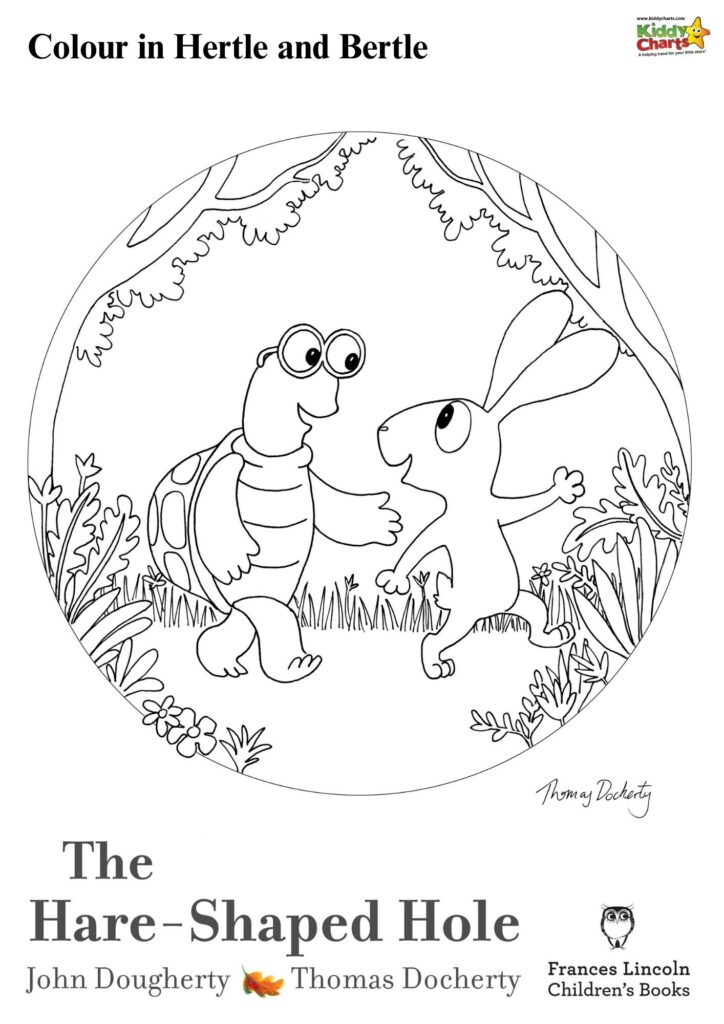
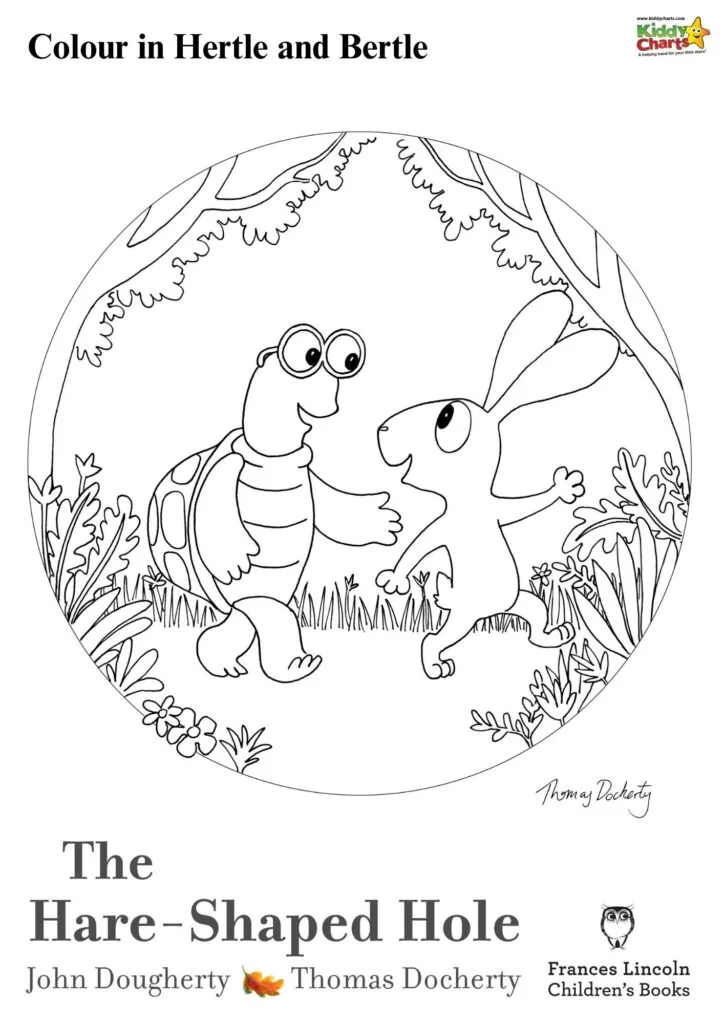
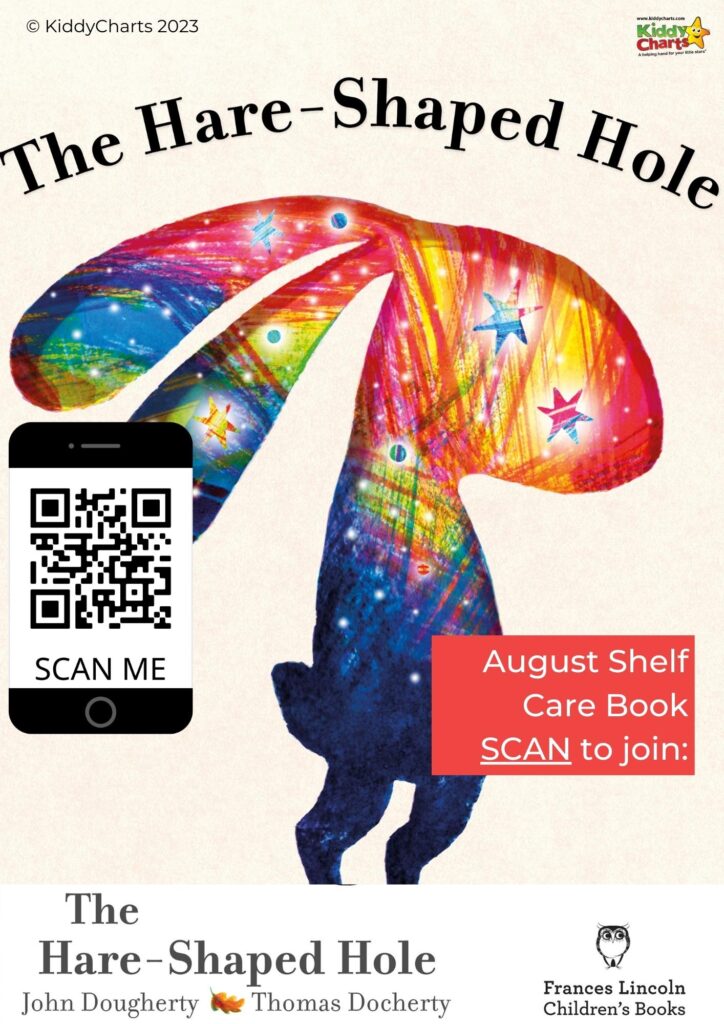

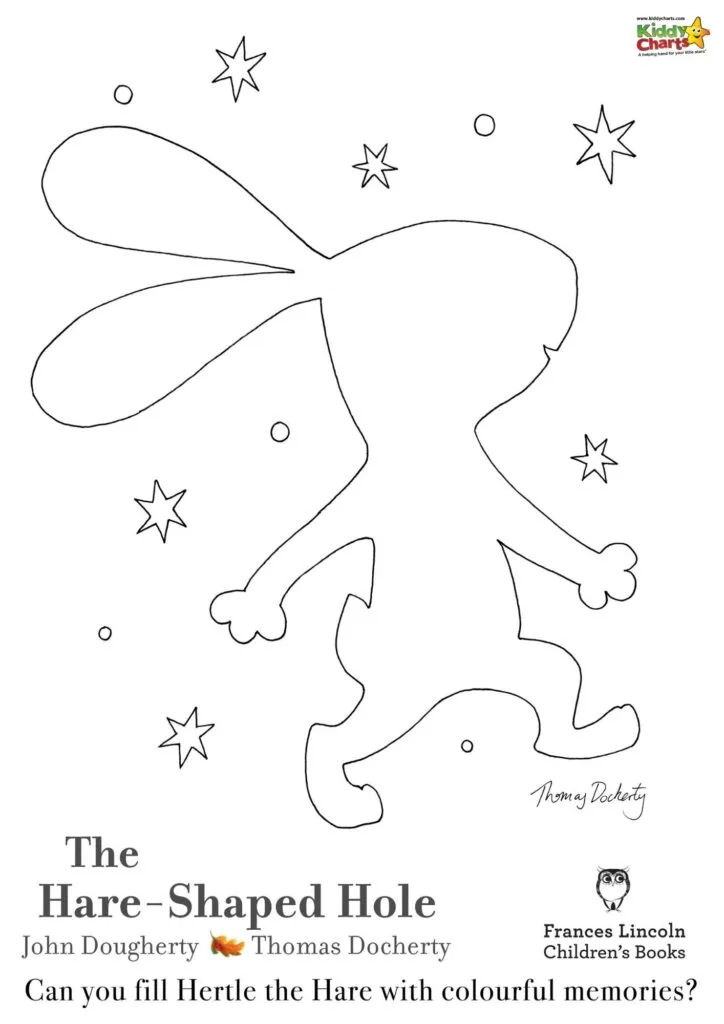
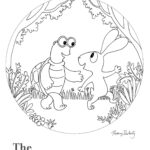
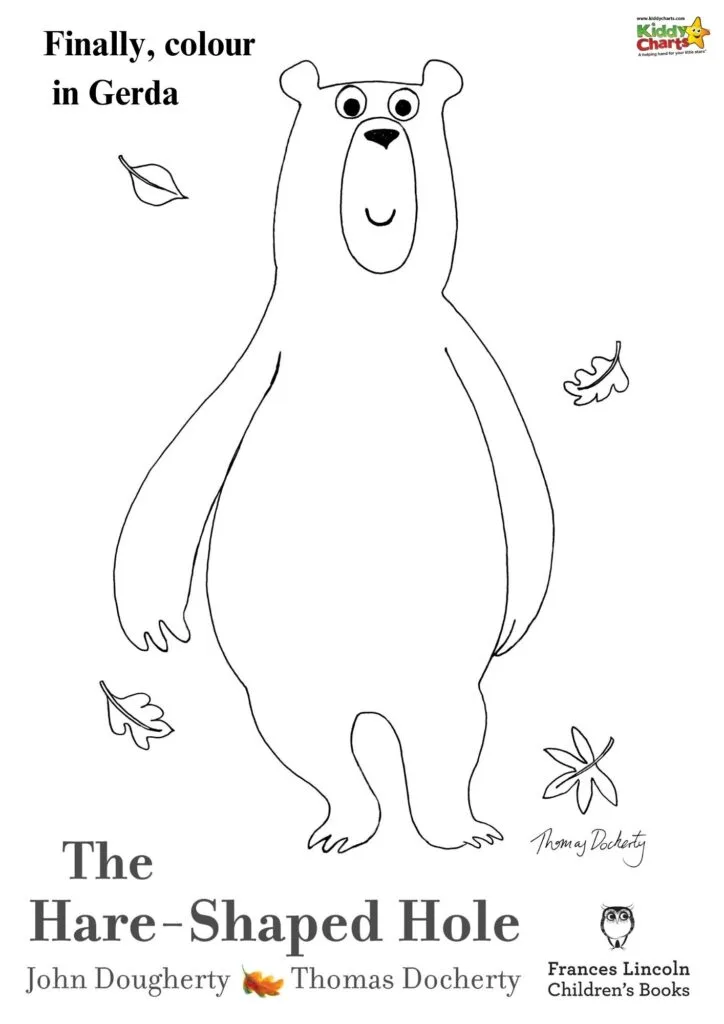
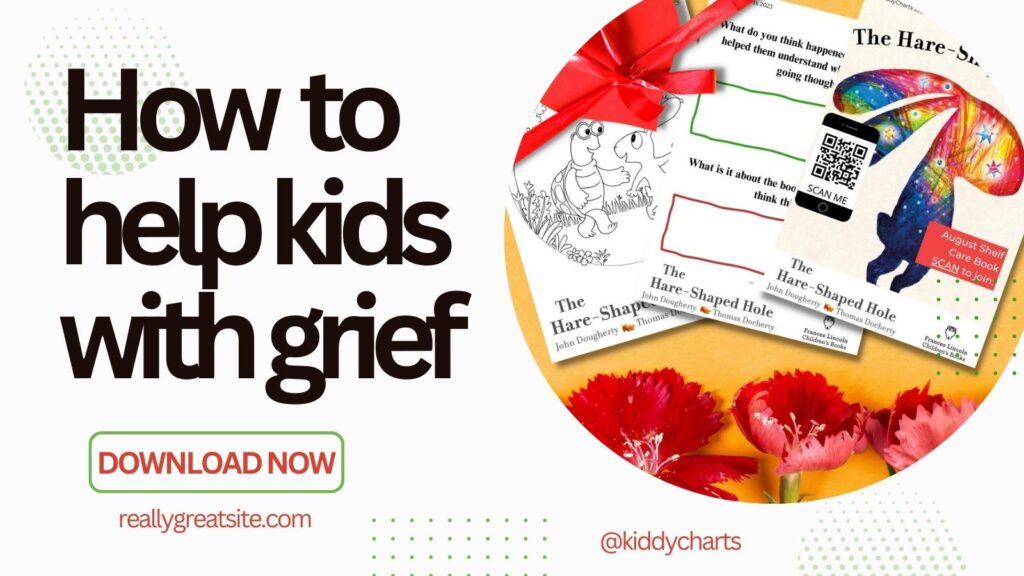
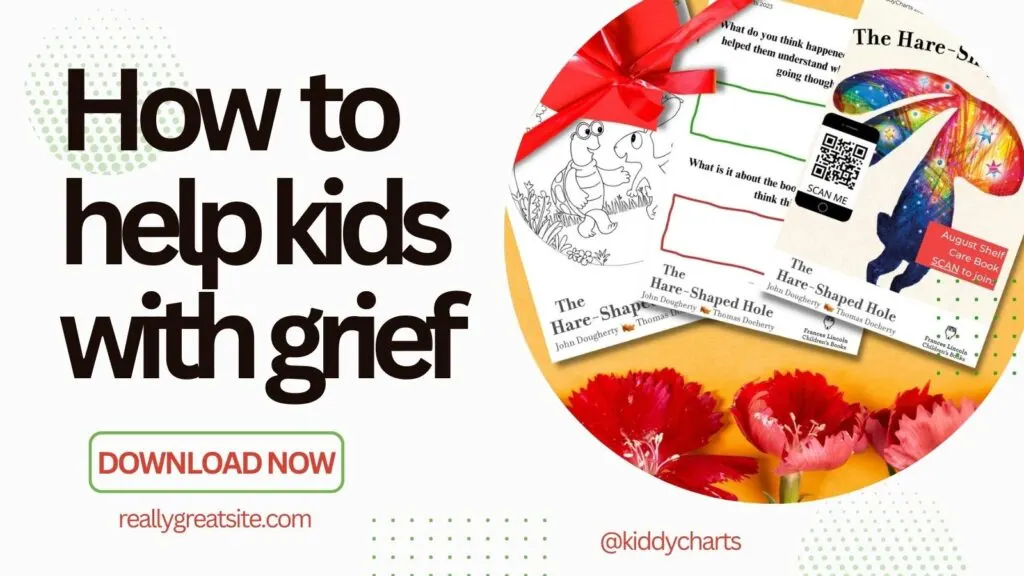
Our first three sheets, include the cover, and two colouring sheets. One encouraging children to fill the hare-shaped hole with happy memories, and then to colour in a sheet with Bertle and Hertle as well.


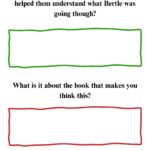
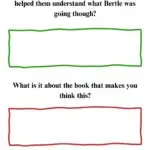
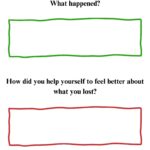
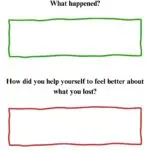
Our next three sheets are writing prompts, but you can also use them as discussion ideas as well for your children to talk about times that we have lost things, and the final image within the book, which gives you some clues as to how Gerda understands what Bertle is going through.
It is such a charming story, and the final illustration is beautiful.
The final two sheets, one of which is talking about children’s own experience of death can be held back for older children, or used with caution depending on the class, and ideas that you want to work with.
As always, it is up to you how to engage the children with our resources:
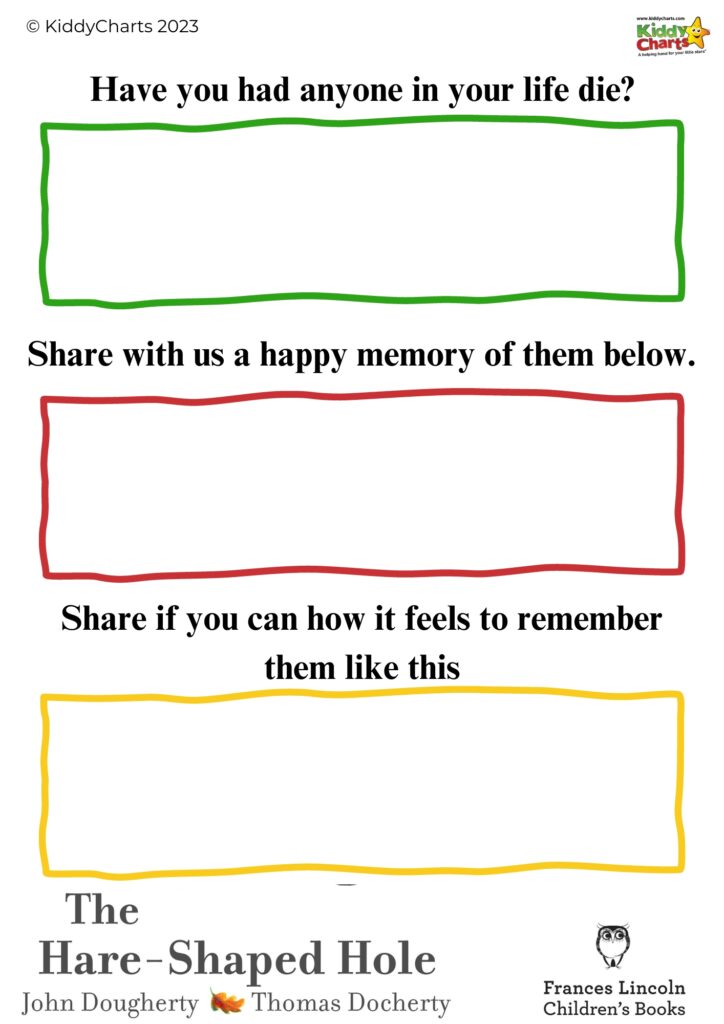

Remember, it’s okay to seek help, and it’s certainly okay to grieve. We’re here to help every step of the way.
To download these, just click on the button below, or the image too:
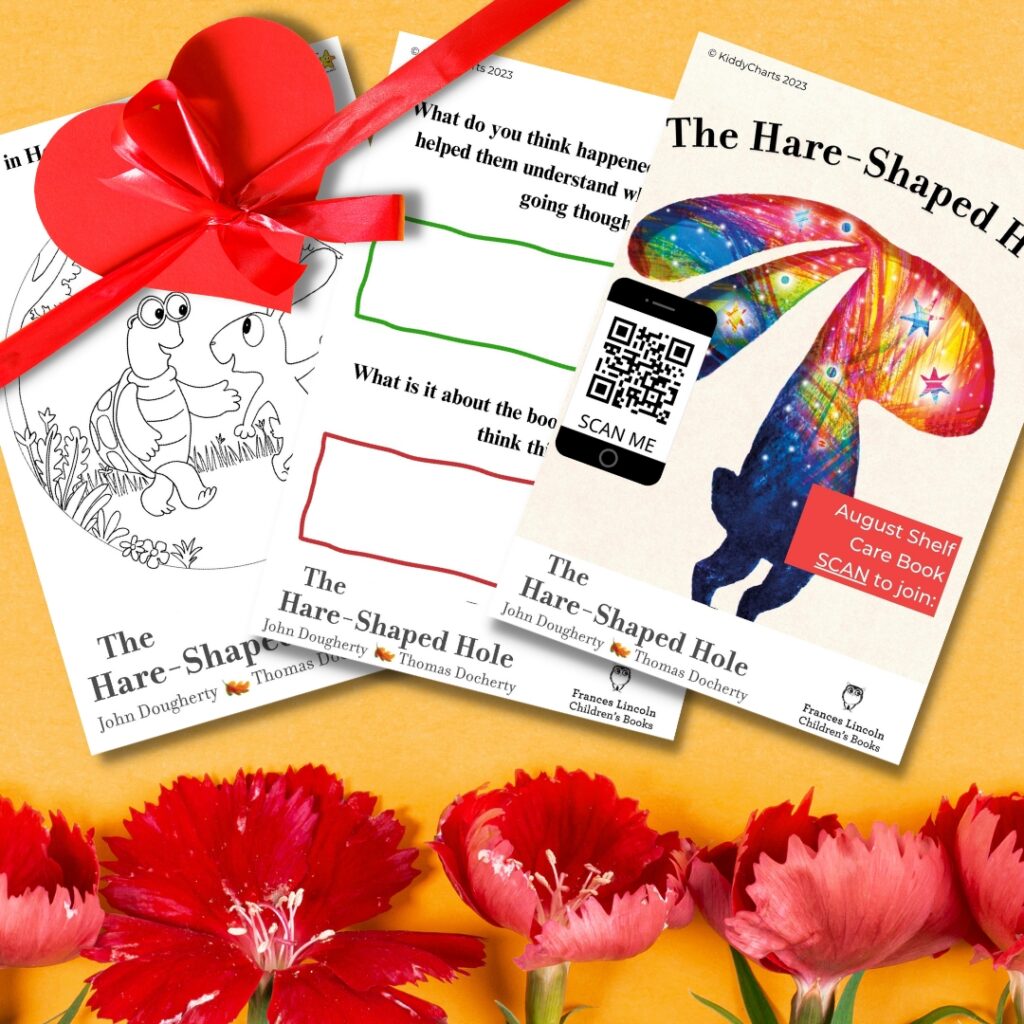
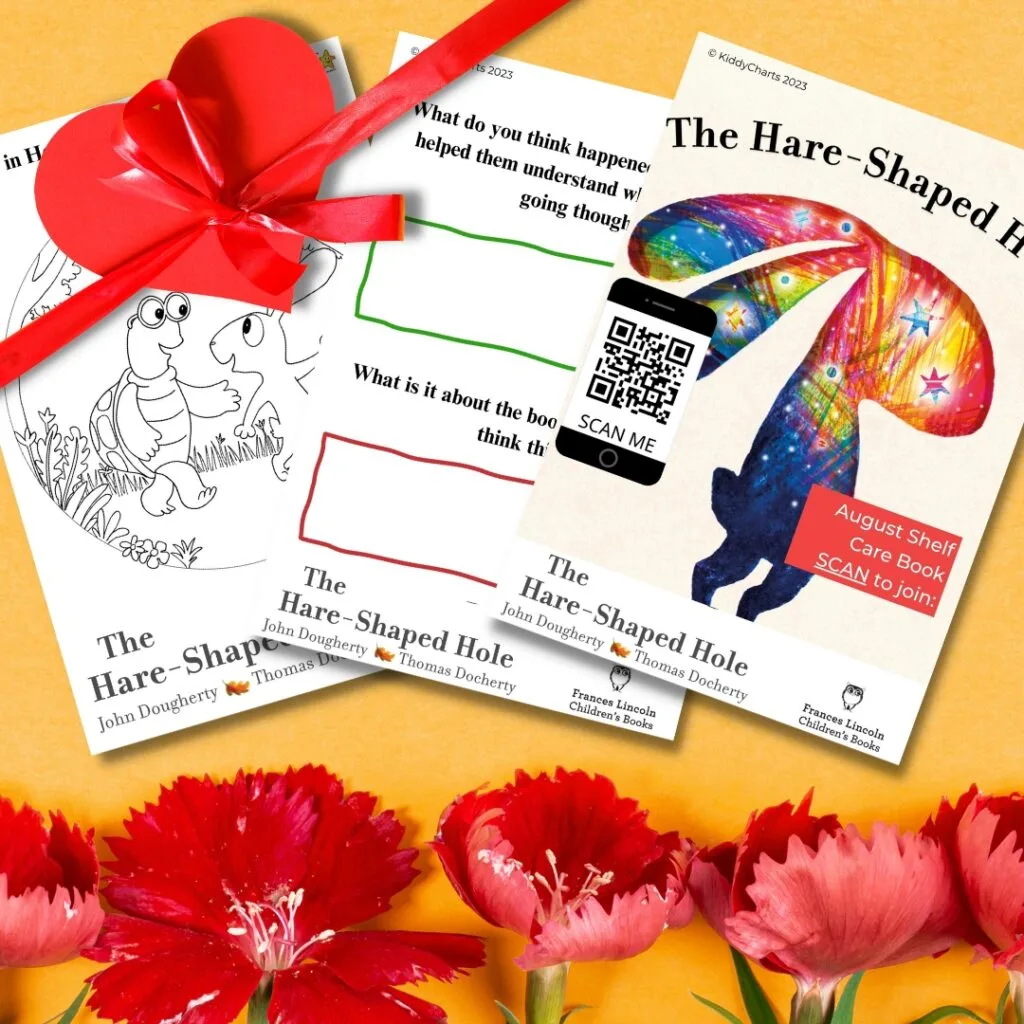
We really hope you love this – don’t forget to sign up for the book club – its free, and you can get the book when it is released (4th August, 2023), alongside these sheets. They can be used as a standalone too of course.
We aren’t just about the book club, remember to sign up to our newsletter as well:
Allowing that space for grief is an important part of self care for kids to:
Self-care for Kids
Taking care of themselves is especially important for children navigating grief. Self-care isn’t just for adults. Kids benefit from routines and activities that help them feel safe, calm, and in control. Simple self-care activities like going for a walk, drawing, listening to music, or practicing deep breathing can make a big difference in how children manage their emotions. Parents and caregivers can support by modelling self-care habits and encouraging children to try different activities to see what helps them feel better. Making self-care a regular part of daily life not only helps children cope with grief but also builds healthy habits that will support their mental health for years to come. There are plenty of resources, including self-care worksheets and activity guides, that can inspire children to find what works best for them. By prioritising self-care, families can help children feel stronger and more supported as they move through the grieving process.
Reflection and remembrance
Honoring the memory of a loved one is a meaningful part of the grieving process for children. Taking time to reflect on happy memories, share stories, or create something special in remembrance can help children process their loss and celebrate the life of the person or pet they loved. Activities like making a memory book, writing a letter, or creating a small memorial can provide comfort and a sense of connection, even after someone is gone. These acts of remembrance help children understand that it’s okay to feel sad, but it’s also okay to remember the good times and keep those memories alive. Encouraging children to participate in these activities, especially around special dates or holidays, can help them integrate their loss into their lives in a healthy way. Resources such as reflection worksheets and remembrance activities offer gentle guidance and support, making it easier for children to express their feelings and find healing through the process of remembering.
We’ve got a few other book activity sheets you might like, so why not check them out as well:
More book activity sheets 2
Here are some more activity sheets based around books and wellbeing!
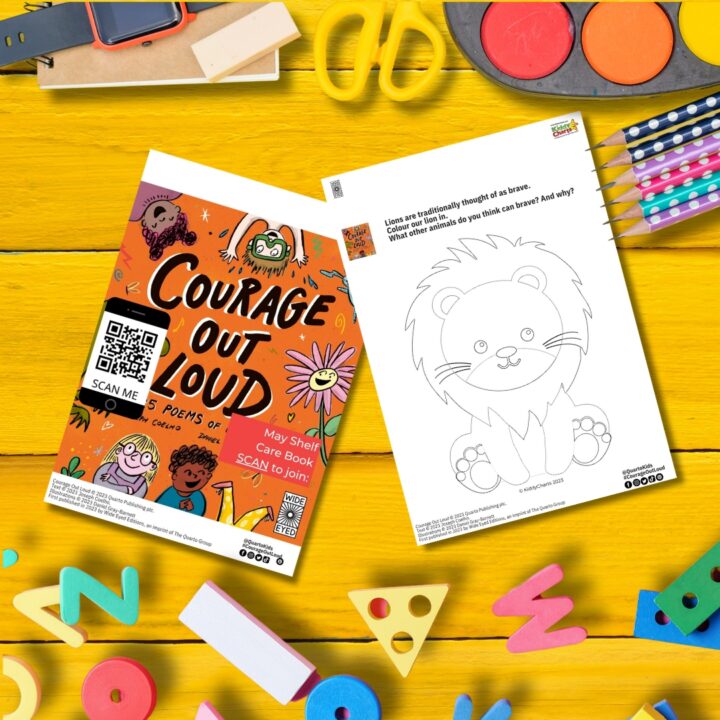

Unleash your bravery with Courage Out Loud activity sheets: Say no with confidence!
A fabulous book all about helping our kids to be brave and resilient - we've got the activity sheets as stand alone, or use them with the book too.

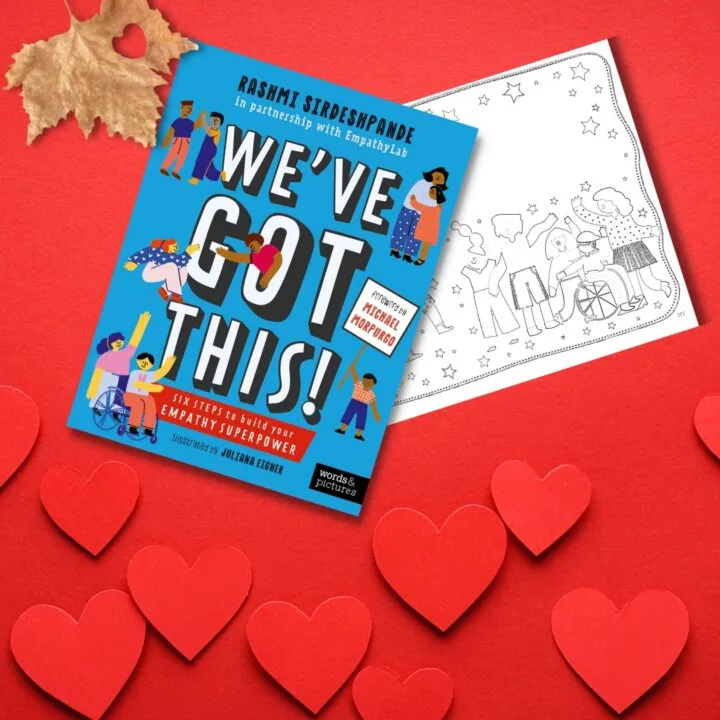
We've Got This eBook: Empathy activities and empathy teaching
This is a wonderful book with ideas for improving empathy for the kids. Check it out.


What a Day activity sheets: Mindful moments at bedtime for kids
Finally, this is an excellent book, coupled with these activities, to help kids with mindful moments at bedtime.
We really would love to see you again, so do come back soon.
Helen
Helen Neale

Helen is a mum to two, social media consultant, website editor and a qualified counsellor with experience of working with both children and adults. She is a registered member of the British Association of Counselling and Psychotherapists, with her own private practise. She also freelances with her local Mind organisation. Since giving up being a business analyst when juggling travel, work and kids proved too complicated, she founded KiddyCharts so she could be with her kids, use those grey cells at the same time, and supplement her counselling income. KiddyCharts has reach of over 680k across socials and the site. The site works with big family brands to help promote their services, as well as offering free resources to parents of kids under 10. She is a specialist counsellor for neurodivergent individuals and brings this expertise to her resources and the site. She is also an ADHDer herself. KiddyCharts gives 51%+ profits to charities, focused on supporting mental health and a community in Tanzania Helen has also worked as a digital marketing consultant (IDM qualified) with various organisations, including Channel Mum, Truprint, Talk to Mums, and Micro Scooters. She loves to be creative in the brand campaigns she works on. Get in touch TODAY!