
We love it when Spring or Summer are finally poking its head around the corner. As the days get a little longer and the garden starts to wake up, it is the perfect time to get the kids curious about the green world outside. We love encouraging little ones to get their hands dirty and really look at the nature surrounding them.
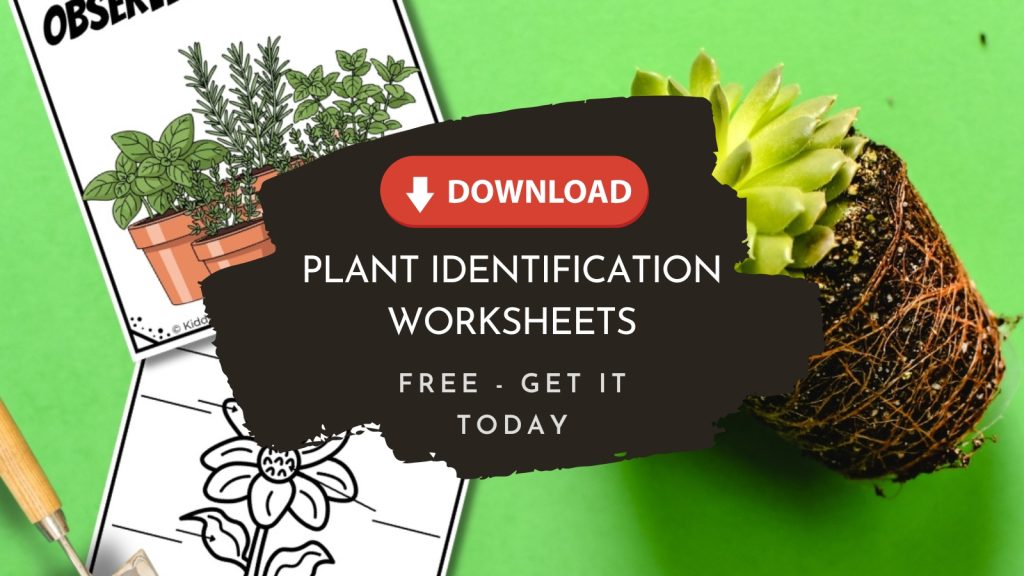
Whether you have a sprawling garden, a few pots on the balcony, or just a favourite tree in the local park, plants are everywhere waiting to be discovered. To help you structure that discovery, we have created a fantastic new plant identification worksheet pdf. It is completely free and packed with activities to keep curious minds busy.
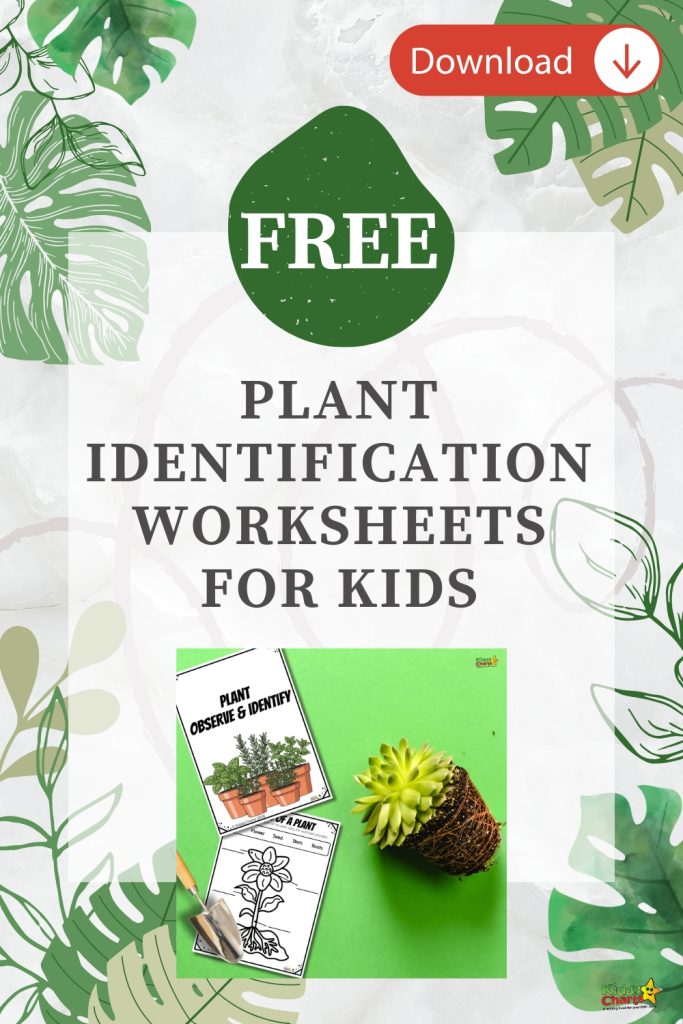
This printable isn’t just about looking at flowers; it’s about understanding how they work, what they need to survive, and using a bit of imagination too.
Introduction to identification
Learning how to identify plants, trees, and shrubs is a wonderful way for students and kids to connect with nature and the environment around them. By paying close attention to the unique characteristics of each plant, such as the shape of their leaves, the structure of their stems, and the appearance of their seeds, children and adults alike can unlock the secrets of the green world. Whether you’re exploring a local park or your own backyard, taking the time to observe these features helps you identify different species and appreciate the incredible diversity of plants. With a little practice, anyone can become a budding botanist, discovering how trees, shrubs, and other plants contribute to the beauty and balance of our environment.
How to use these activity sheets
We have designed these sheets to be flexible. You don’t need a biology degree to help your children get the most out of them. Whether you are a parent looking for a rainy day activity or a teacher planning a science unit, these fit right in alongside our other free printables and coloring pages for kids.
At home
If you are using this plant identification worksheet pdf at home, try taking the clipboard outside. The “Plant Journal” page works best when you are staring right at a real-life specimen. It turns a walk in the park into a scavenger hunt. The cut-and-paste activities are perfect for kitchen table quiet time or pairing with movie-themed activity packs for kids while you are getting dinner sorted.
In the classroom
For teachers and homeschoolers, this pack works brilliantly as a station rotation activity. You can have one group working on the reading comprehension while another gets messy with the cut-and-paste section. It also serves as a great introduction to a wider project on photosynthesis or ecosystems, or even broader topics like habitats using an animal habitats sorting game for kids, giving younger children the vocabulary they need before tackling bigger concepts.
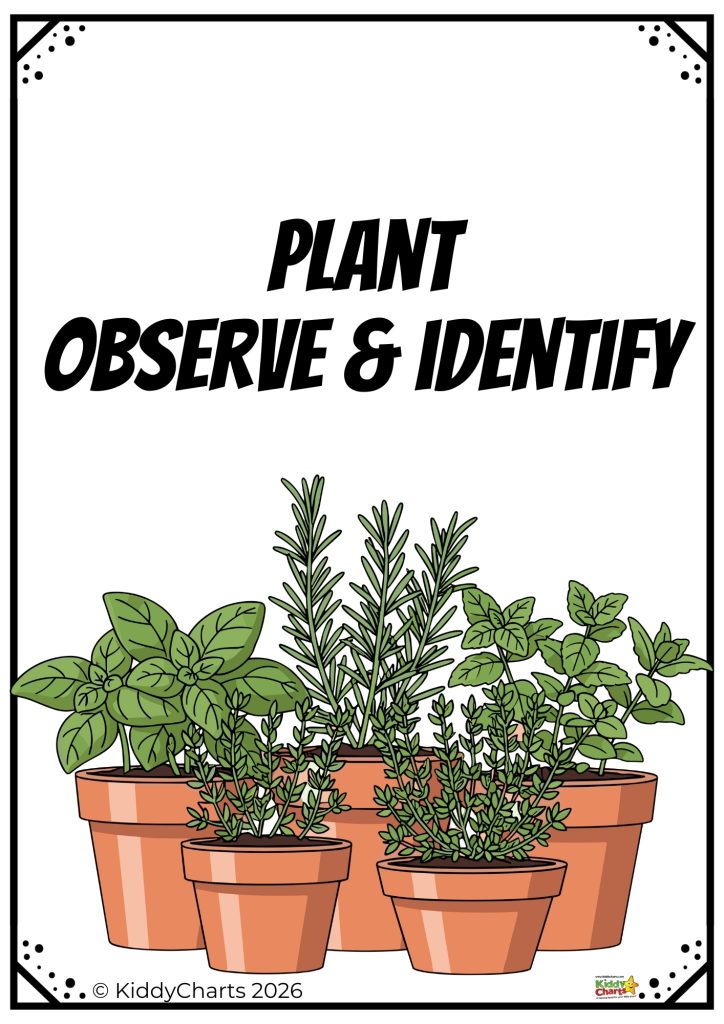
Exploring plant parts and reading skills
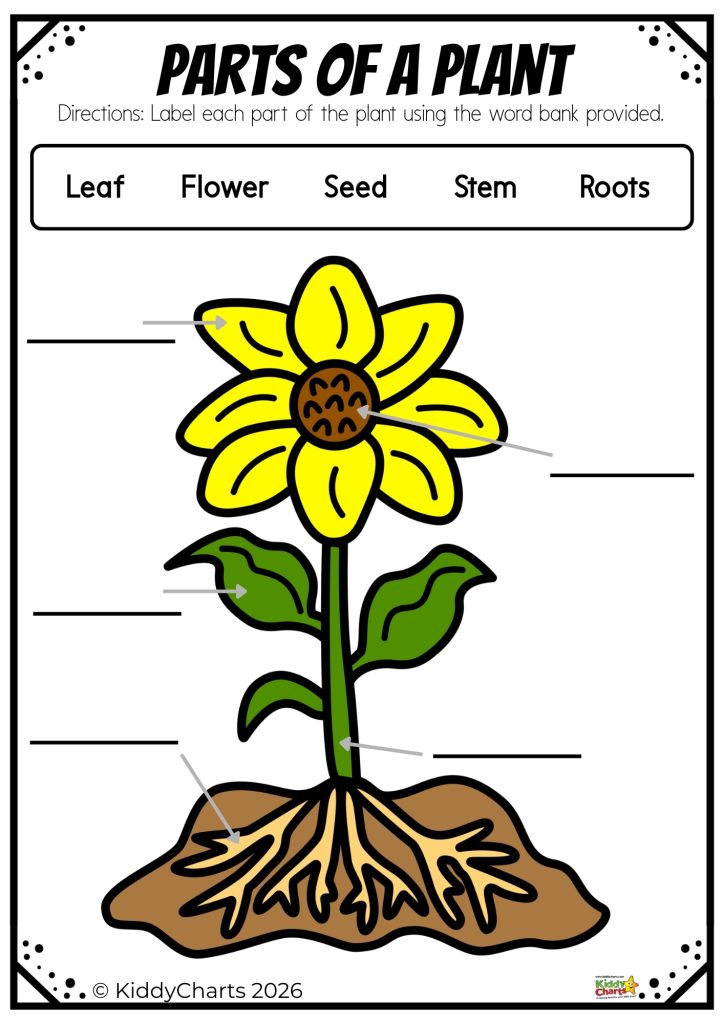
The first section of our printable focuses on the fundamentals. We want children to understand the “architecture” of a plant and practice their reading at the same time, just as they might build literacy with free ebooks and printable activity books for kids.
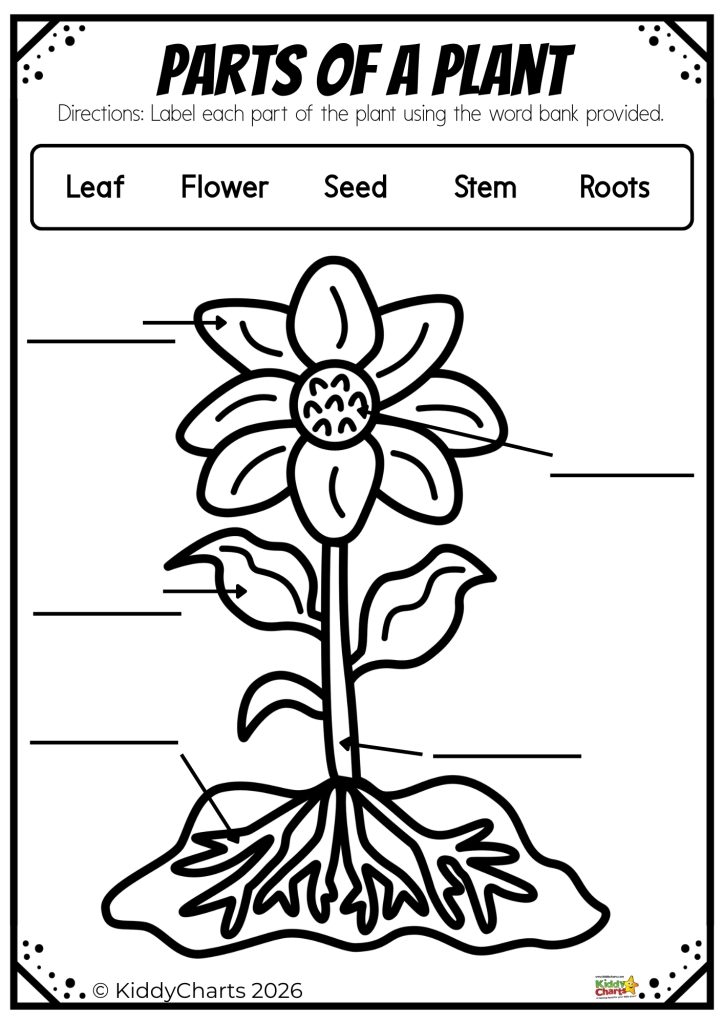
Labelling plant parts activity
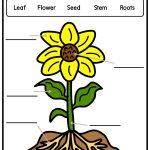
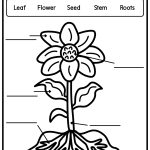
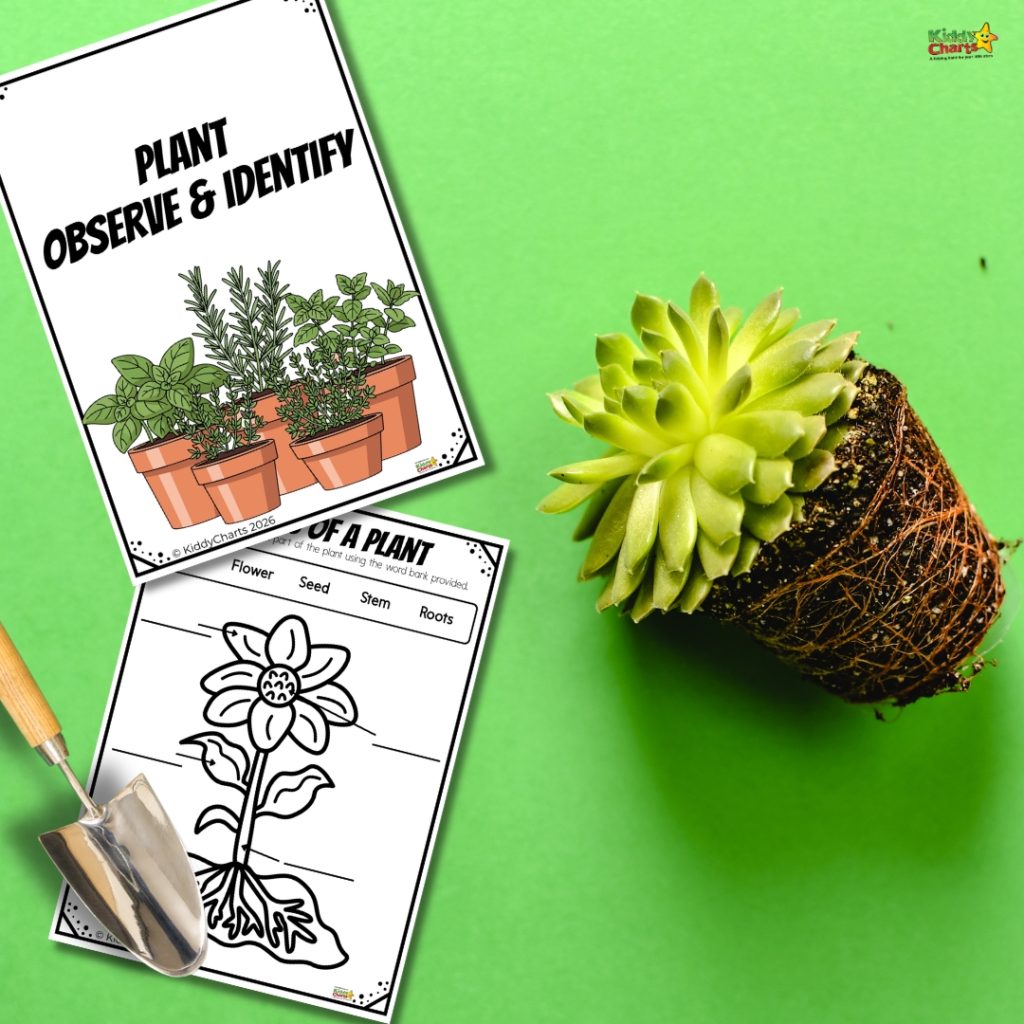
First up is a classic labelling activity. We have provided a clear, simple illustration of a plant and a word bank containing terms like Leaf, Seed, Stem, Roots, and Flower.
This is a gentle way to introduce biological vocabulary. Instead of just pointing at a “flower,” children start to see it as a system of parts. For younger children, you might want to talk about what each part does as they write the label. For example, “The roots are like straws drinking water from the ground.” It builds their scientific understanding without feeling like a heavy lesson.
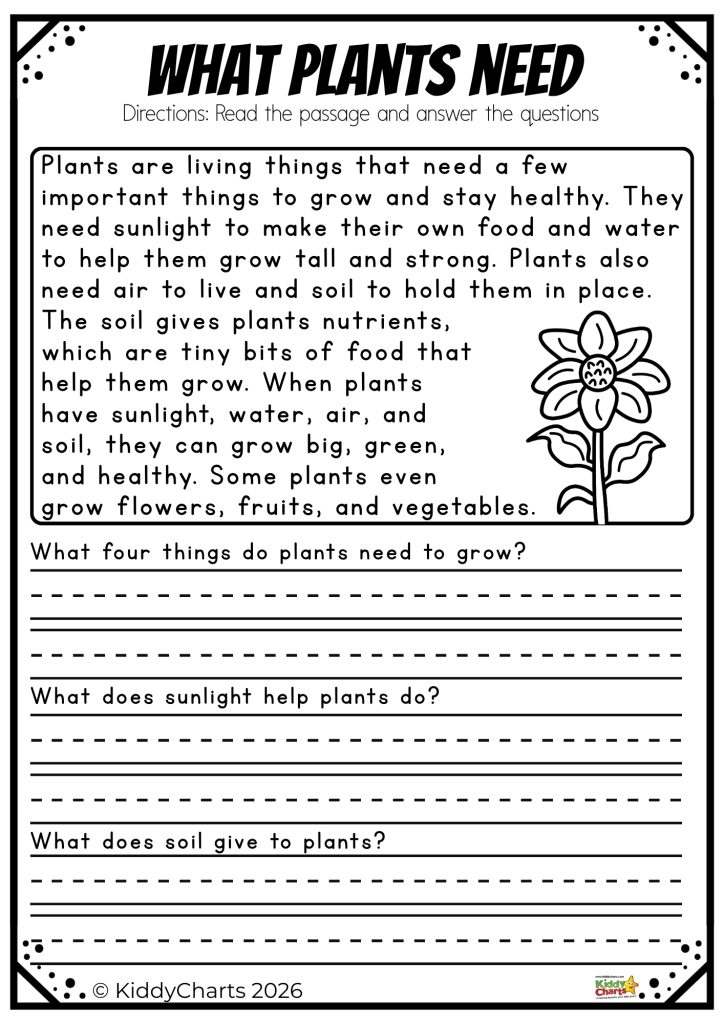
Reading passage: What plants need
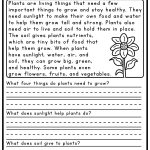
Next, we have a short reading passage titled “What plants need.” This text explains the essentials: sunlight, water, air, and soil. It also introduces the concept of nutrients. Following the text, there are three comprehension questions to check understanding.
This sheet supports literacy development by asking children to recall facts from the text. It integrates science and English seamlessly. If you have reluctant readers, read the passage together and hunt for the answers in the text like detectives. It reinforces the idea that we read to gather information, which is a key skill for their future learning journey.
Understanding needs and unleashing creativity
Once the basics are down, it is time to reinforce that knowledge and then let their imaginations run wild. These next two sheets in the plant identification worksheet pdf mix logic with creativity.
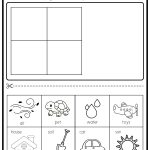
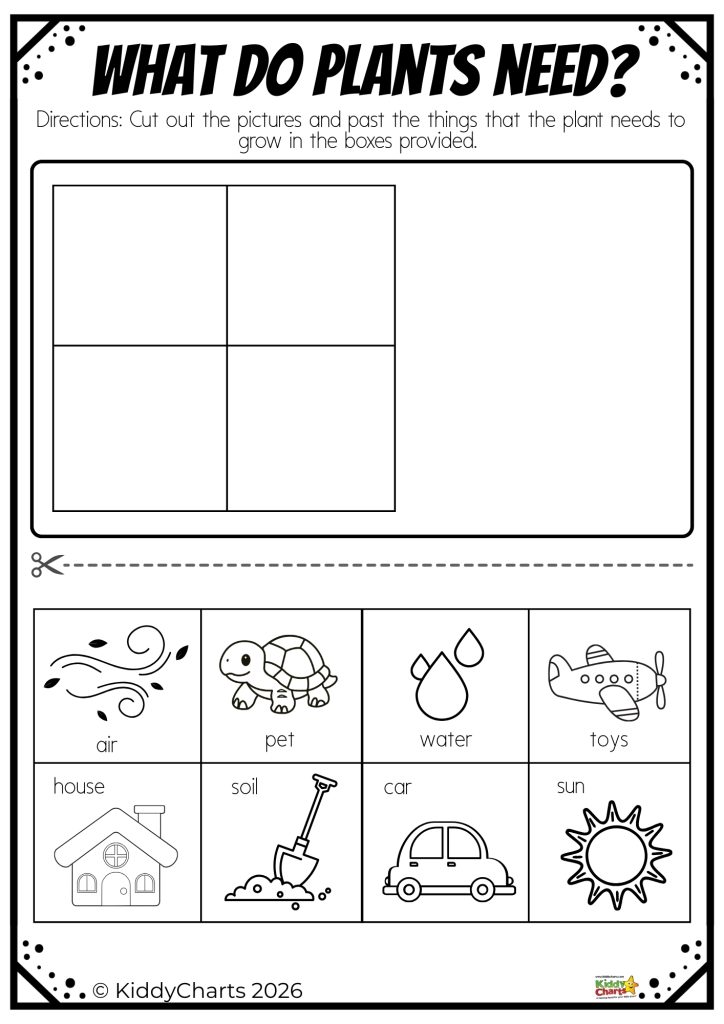
What do plants need? (Cut and paste)
This interactive worksheet asks children to sort items. They have a collection of images—some are things plants need (like sun, rain, soil), and others are definitely not (like a car or a toy house), in a similar way to how kids sort animals into different habitats in an animal habitats sorting game.
Children cut out the correct items and paste them into the boxes. This is fantastic for developing fine motor skills with scissors and glue. Beyond the physical skills, it is a sorting and categorising task. It asks them to apply what they learned in the previous reading passage to make decisions. It’s a fun, tactile way to test their memory of plant biology without a scary test.
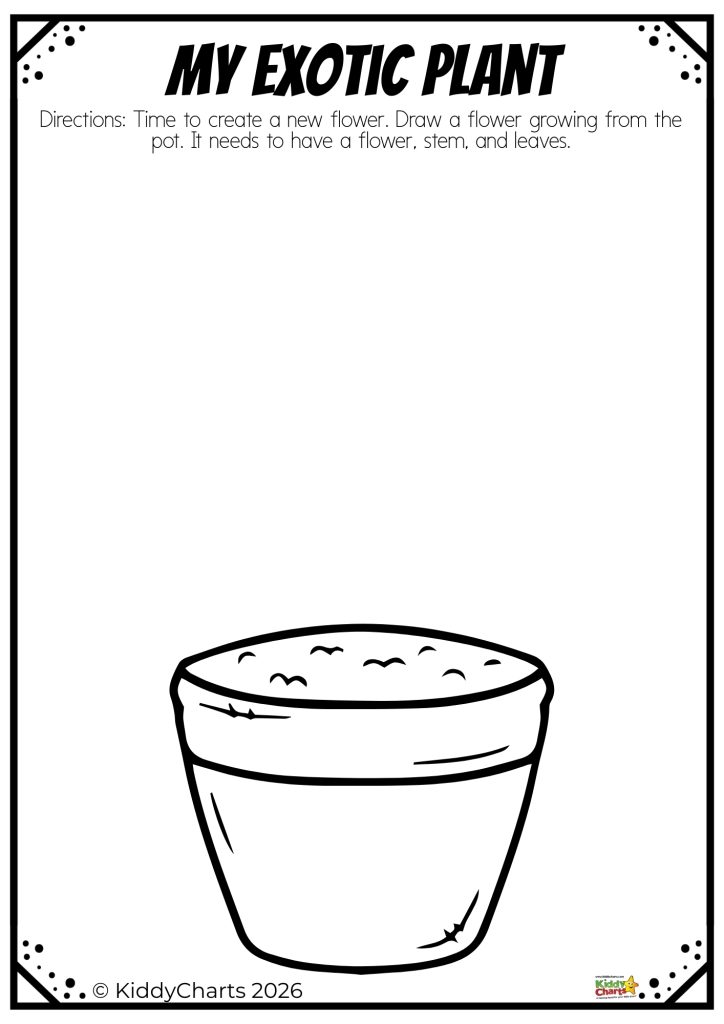
My exotic plant
Now for the really fun bit. We have included a “My exotic plant” drawing prompt. The instructions are simple: create a new flower growing from a pot, ensuring it has a flower, stem, and leaves.
This activity supports creative thinking and design. Children can invent a plant that eats homework, smells like chocolate, or glows in the dark. While they are drawing, they are still reinforcing the structural knowledge they learned earlier (it still needs a stem and leaves to be a plant), but they have ownership over the final result. It’s a lovely way to blend art into your STEM activities and sits nicely alongside other free printable activity resources for kids.
Observation and sensory play
The final part of the pack is perhaps the most important because it encourages children to step away from the screen and the desk.
To enhance their observation and support the identification process, children can take a photograph of the plant they observe. This visual documentation helps them record the plant’s features and makes it easier to compare and identify different species later.
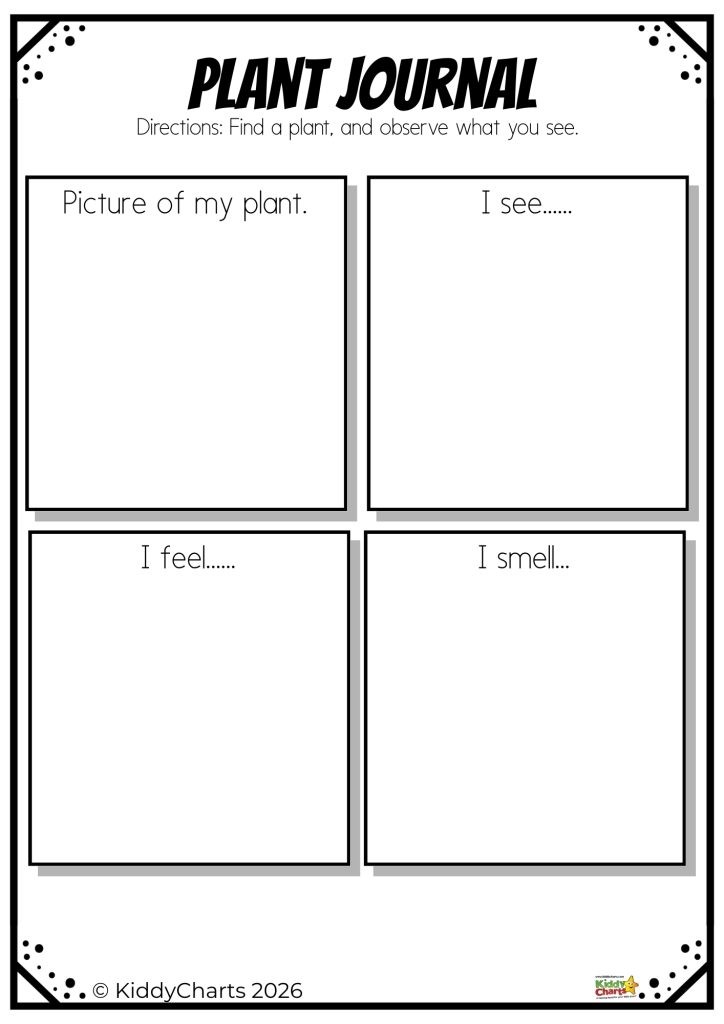
Using the plant journal
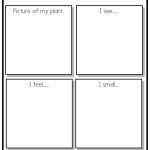
The “Plant Journal” page is designed for field work. The prompt directs children to “Find a plant, and observe what you see.” There is space to draw their specific plant and then fill in prompts for “I see…”, “I feel…”, and “I smell…”.
Encourage students to include a photograph of their plant in the journal, alongside their drawing and sensory notes. Using a photograph helps visually document the plant and supports identification skills.
This sheet supports mindfulness and sensory processing. We often teach children to identify things by name, but we rarely ask them to describe the texture of a leaf or the scent of a petal.
By asking them to write down sensory details, you are expanding their descriptive vocabulary. Is the leaf fuzzy, waxy, or rough? Is the smell sweet or earthy? This turns passive looking into active observation, which is the cornerstone of all good science. It also encourages them to slow down and appreciate the small details of nature, which is a wonderful habit to build early on, much like a 30-day walking steps challenge, which can build long-term appreciation for being active outdoors.
We hope you have as much fun using this plant identification worksheet pdf as we did making it. It is a simple, effective way to bring a bit of the outdoors into your learning routine!
Identification tips
A plant identification worksheet is an observational tool designed to guide users through identifying unknown plants by recording key botanical features like leaf arrangement, flower type, stem, and habitat.
When you’re ready to identify a plant, start by taking a close look at its most noticeable features. Here are some key characteristics to observe:
- Type/Habit: Is the plant a tree, shrub, vine, herb, or grass?
- Leaf characteristics: Look at the arrangement (opposite, alternate, whorled), type (simple or compound), shape, margin (edges), and vein pattern.
- Flower details: Note the color, symmetry (radial or bilateral), and the number of petals, which can help distinguish between monocots and dicots.
- Stem and bark features: Observe the texture, color, thickness, and presence of thorns or other structures.
- Fruit/Seed pods: Check for the presence, shape, and type of fruit or seed pods.
- Habitat conditions: Consider the location, sun exposure, and soil moisture where the plant is growing.
These characteristics are key clues that help you figure out what kind of plant you’re looking at. Using plant identification cards or a field guide can make the process easier; just follow the order of the items listed, beginning with general traits like leaf type before moving on to more specific details. Taking clear photographs of the plant at different stages can also help you compare what you find with images in your cards or guides. By practicing these steps, students and nature lovers can build confidence and accuracy in identifying plants during their outdoor adventures.
Download your free printable here
Click the button below to download your activity pack, and remember you can explore many more free printable resources and reward charts for kids on our site.
Note: All KiddyCharts printables are free for personal use. Please do not sell or distribute them commercially.
Additional Tools
There are plenty of helpful tools available to make plant identification even more fun and accessible. Downloadable plant identification apps and online databases offer a wealth of information and photographs, making it easy to compare your findings with a wide variety of species. Engaging in activities like nature walks or scavenger hunts encourages kids to observe plants in their natural environment and put their identification skills to the test, and you can support their efforts with customizable kids’ reward charts to celebrate their progress.
A set of plant identification cards or a handy field guide is a great way to get started; just bring them along when you head out to explore a new area, and consider using free printable reward charts for kids to motivate them to complete each observation task. By combining these resources with hands-on activities, both kids and adults can find and identify plants, trees, and shrubs more easily, deepening their understanding of the natural world and making every outdoor adventure a learning experience.
if you are looking for other plant ideas, do check these out on the KiddyCharts site too:
Plant related activities on the site
Here are some more ideas around plants and flowers from the site that you might like to check out now, particularly if you have enjoyed this printable set.


Easy nature sensory bags
Some sensory bags for younger children that are based on the joys of nature, including flowers.
Label a tree free printable
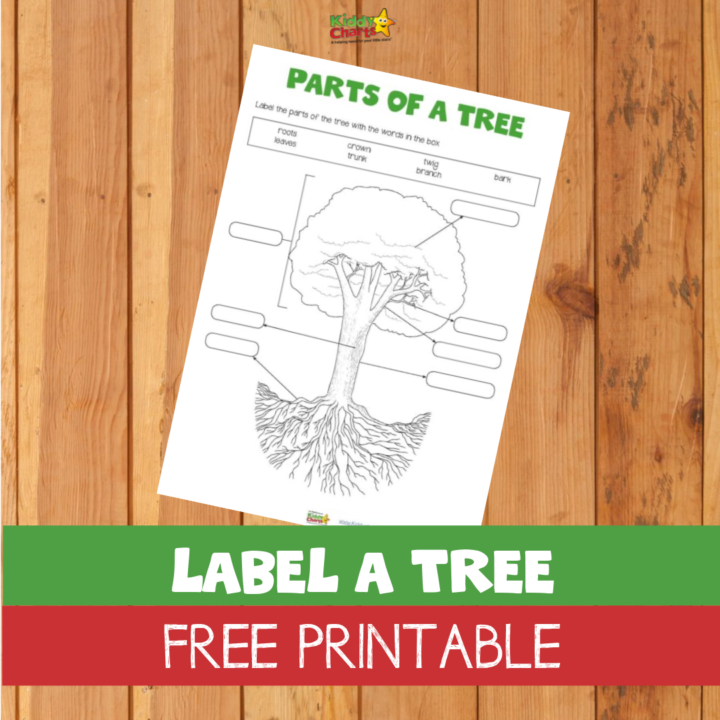
We have another science/STEM activity here to help kids to understand the main parts of a tree.
Label a flower free printable
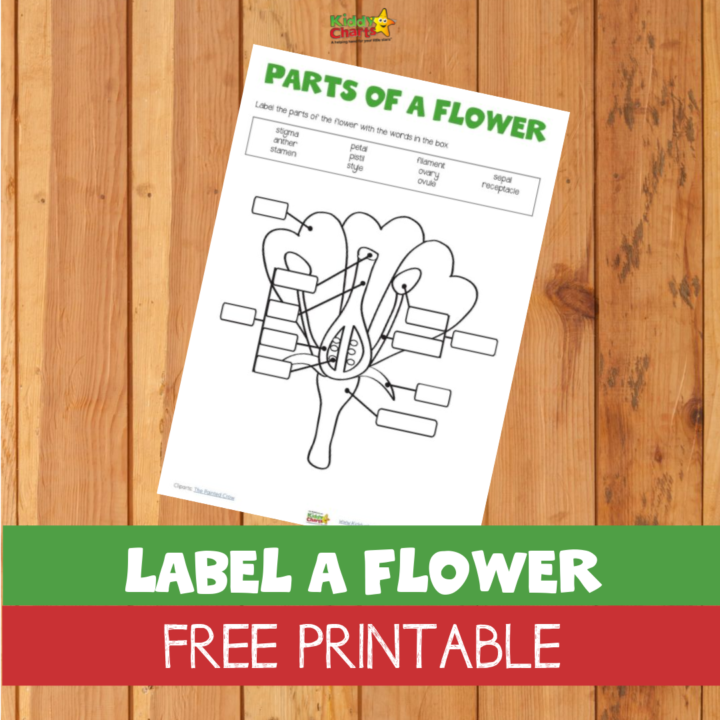
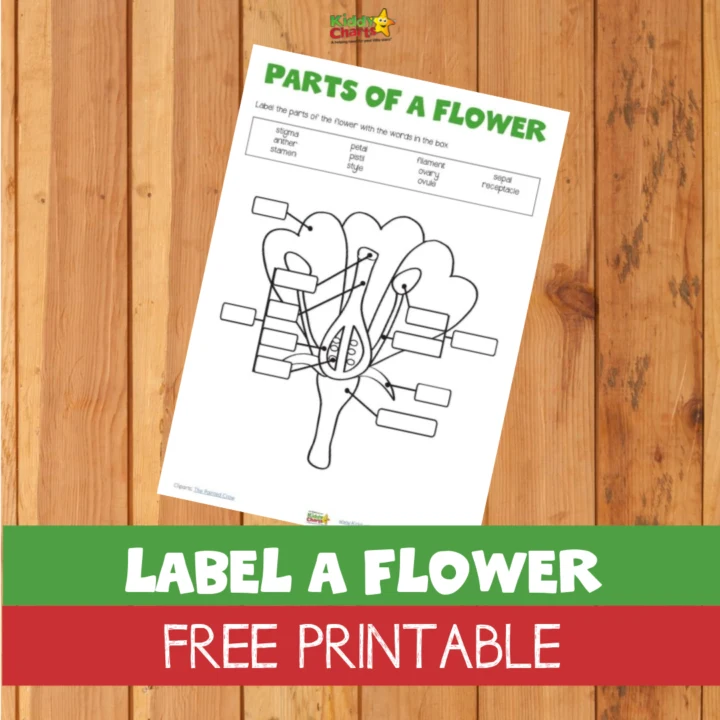
To complement with plant labelling activities within the plat identification worksheet, here is a flower part labelling guide too for the kids.
As well as these off site:
Flower based ideas off site
Here are some more flower based crafts from elsewhere - we hope that you like giving these a go too.
Feather Flower Craft
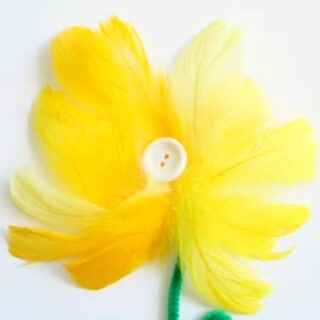
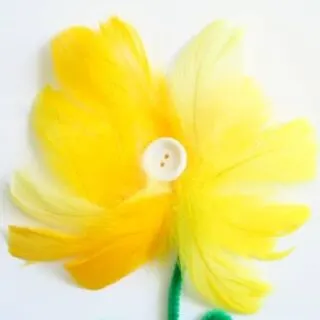
A lovely idea for making flowers with feathers instead of paper - why not check this out from Fantastic Fun and Learning?

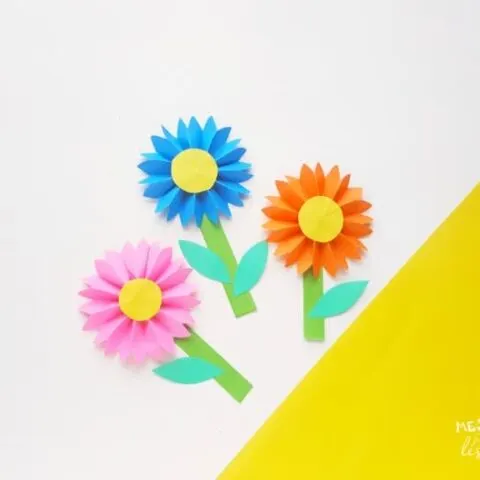
Paper Flower Craft
Another paper flower craft for you to do - this time really simple flowers made from concertina paper.
Felt Flowers Craft
Finally, a felt based craft for your flowers. So you have three different ways of making the flowers. Such fun to give it a go with different materials don't you think?
Thanks, as always for coming to see us, and we hope that you come back again soon.
Helen
Helen Neale

Helen is a mum to two, social media consultant, website editor and a qualified counsellor with experience of working with both children and adults. She is a registered member of the British Association of Counselling and Psychotherapists, with her own private practise. She also freelances with her local Mind organisation. Since giving up being a business analyst when juggling travel, work and kids proved too complicated, she founded KiddyCharts so she could be with her kids, use those grey cells at the same time, and supplement her counselling income. KiddyCharts has reach of over 680k across socials and the site. The site works with big family brands to help promote their services, as well as offering free resources to parents of kids under 10. She is a specialist counsellor for neurodivergent individuals and brings this expertise to her resources and the site. She is also an ADHDer herself. KiddyCharts gives 51%+ profits to charities, focused on supporting mental health and a community in Tanzania Helen has also worked as a digital marketing consultant (IDM qualified) with various organisations, including Channel Mum, Truprint, Talk to Mums, and Micro Scooters. She loves to be creative in the brand campaigns she works on. Get in touch TODAY!