
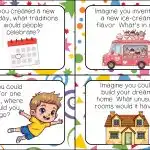

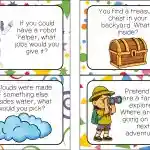

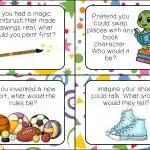



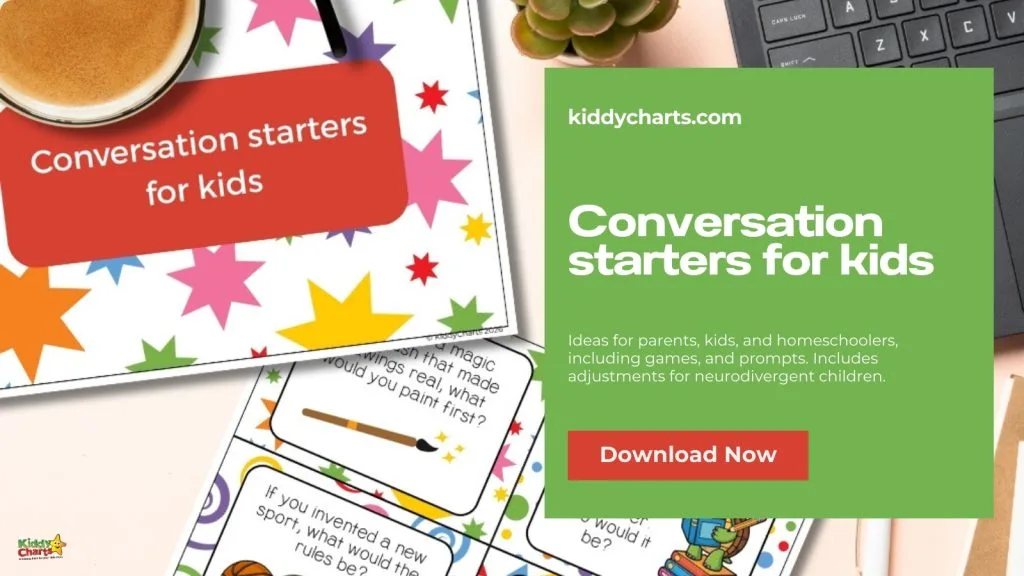
We have another fabulous set of printables for you today – to help your kids to chat, and even for you to use to spark fun and interesting conversations with your children. Sometimes we all need conversation starters to get those chats flowing.
Spark joyful chats with these fun conversation starters
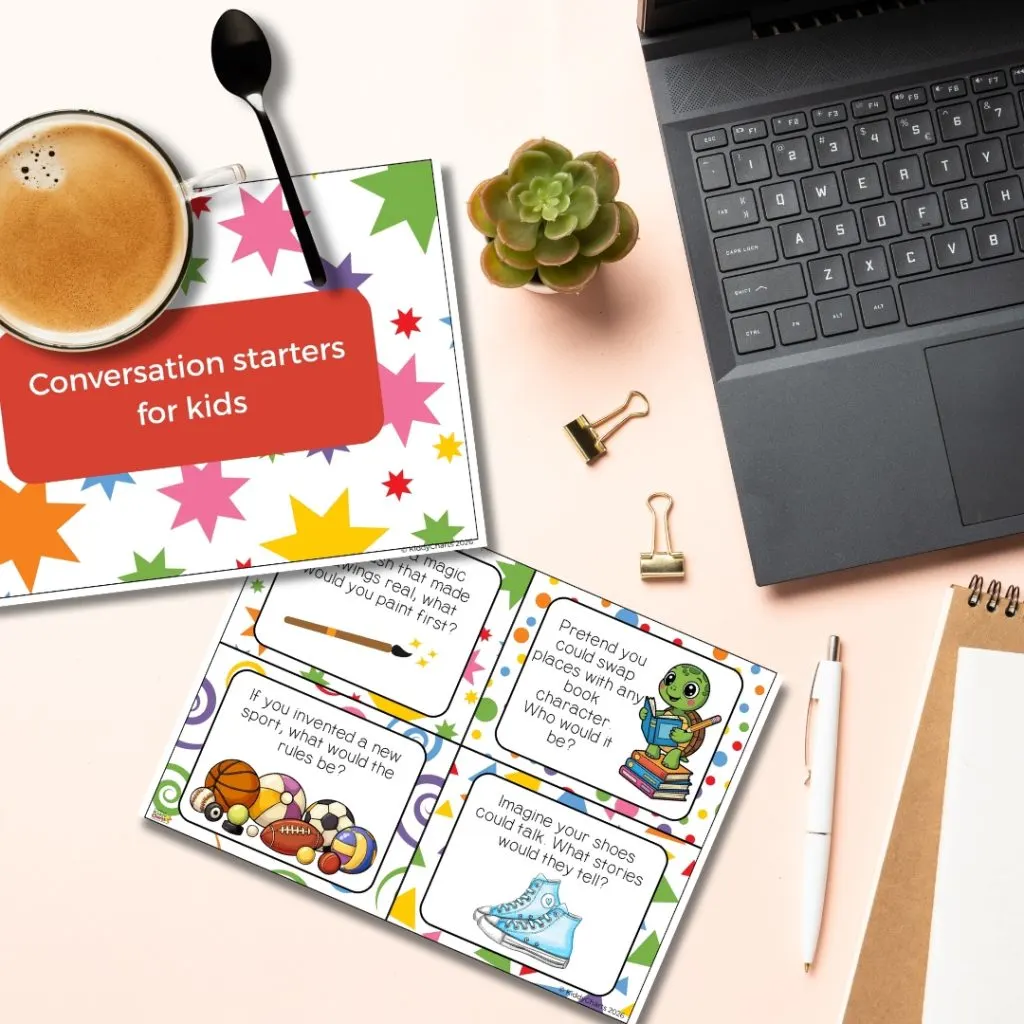
Getting kids to open up can sometimes feel like a mission impossible. After a long day at school, a simple “How was your day?” often gets a one-word answer. But what if you had a secret tool to unlock their imagination and get the chatter flowing? OR what if they had some quick ideas to spark conversations with friends, or in new situations? We’ve designed a brand-new printable full of fun conversation starters to do just that. These conversation starters are designed for kids themselves, parents, caregivers, and teachers looking to spark engaging discussions.
Conversation starters are questions or prompts that help begin engaging discussions, often focusing on shared experiences, light interests, or open-ended questions about hobbies, travel, food, and media. Using creative prompts can help children express themselves, build confidence, and strengthen family or classroom connections.

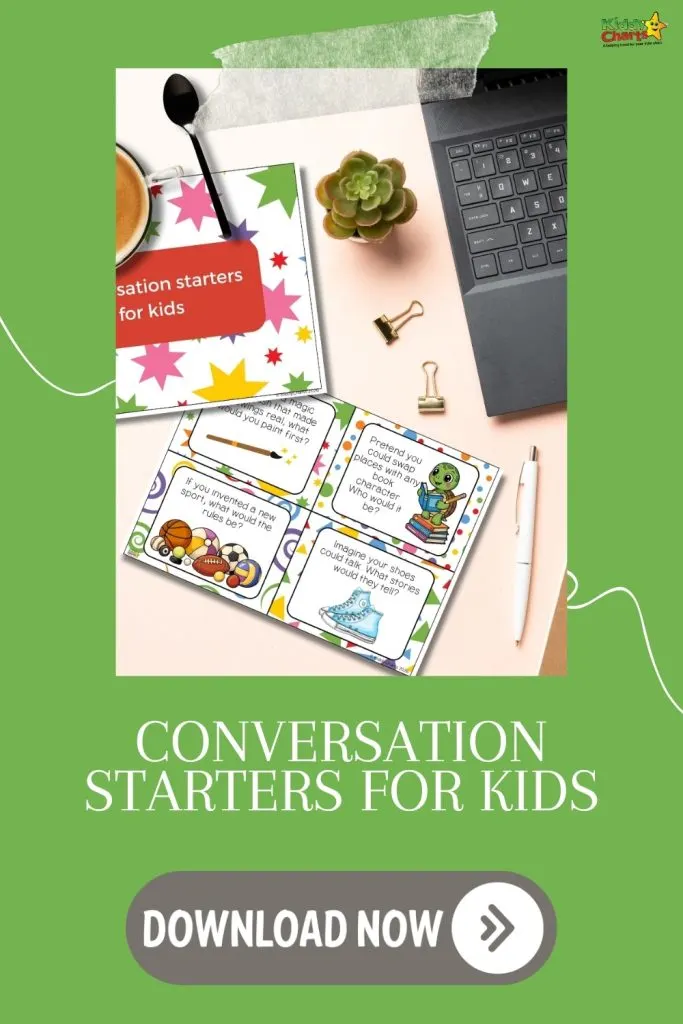
Having a few good conversation starters ready can help kids, and you as parents, to feel more confident in social situations.
These prompts are perfect for sparking creative, funny, and thoughtful discussions amongst little ones. From imagining superpowers to inventing new animals, these questions are designed to move beyond the everyday and dive into the wonderful world of a child’s imagination. Each prompt encourages kids to share their own unique idea, helping them explore new possibilities and express their thoughts in imaginative ways. Open-ended questions are especially powerful as they encourage the other person to share more than just a yes or no answer.
In a casual environment, effective conversation starters often focus on the immediate context, personal passions, or lighthearted hypotheticals to start a conversation. This approach helps keep the conversation engaging and relevant for kids. You can download our free printable to get started right away by scrolling down this article to the button and the image at the end to access the download.
If you are looking for writing prompts, you can also check out our story writing prompt generator too!
What’s inside our conversation starters printable?
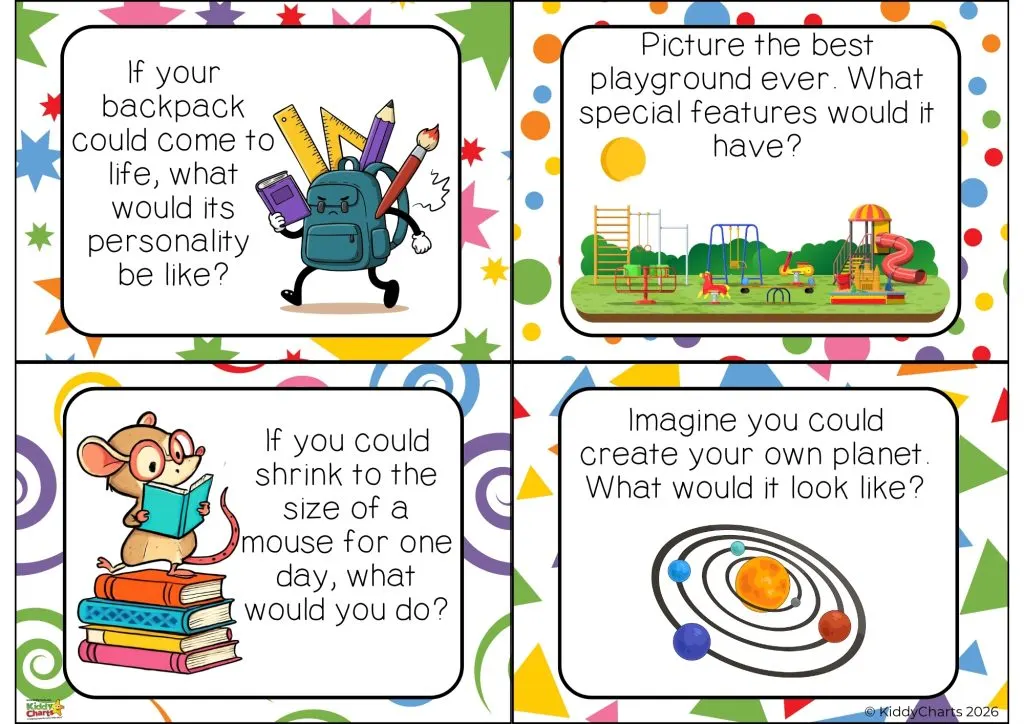
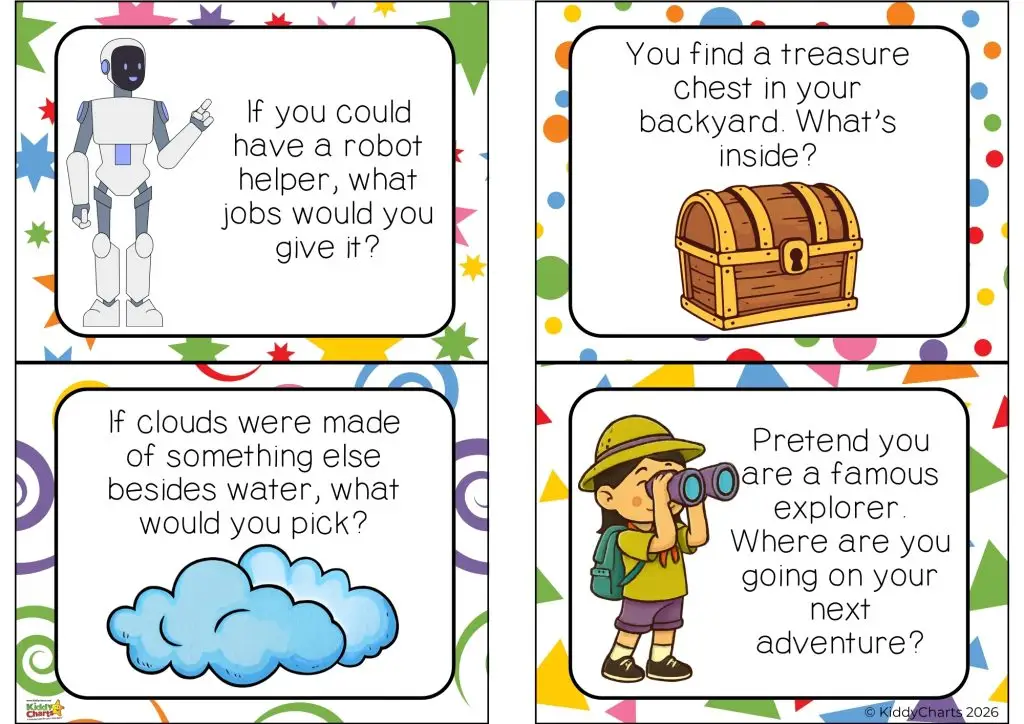
Our printable is packed with questions that encourage children to think outside the box. Forget boring, closed questions! These prompts are all about “what ifs” and “imagine.” They invite kids to explore their creativity and share their unique perspectives on the world.
Some of our favourite prompts include:
- If you could invent a brand-new animal, what would it look like and what would it eat? This is a wonderful way to explore creativity and biology in a fun, low-pressure way.
- Imagine you woke up with a superpower. What is it and how would you use it at school? This helps children think about responsibility and problem-solving through a fun, imaginative lens.
- If you discovered a hidden door in your house, where would it lead? A classic prompt that opens up a world of fantasy, adventure, and storytelling.
- Pretend you could talk to one type of animal. Which would you choose and why? This question encourages empathy and helps children consider different points of view.
Asking about past or future adventures, like what you would do on a deserted island or the last time you tried something new, often reveals a person’s values and personality. Such deep conversation starters with your kids can also lead to discussions about personal growth, unexpected challenges, or moments of joy.


Here are more example questions you could use alongside our printables as well:
- What is your favorite subject at school and why?
- Who is your favorite teacher and what makes them special?
- What is your favorite meal to eat for dinner?
- Can you tell your favorite joke?
- Where is your favorite place to visit?
- What is your favorite chore to do at home?
- If you were on a deserted island, what three things would you bring?
- If you could wave a magic wand and have any talent, what would it be?
- What three words would you use to describe yourself?
- How would you describe your best friend?
- Would you rather be able to fly or be invisible?
- What is the best gift you have ever received?
- What is the best thing about your family?
- If you could change one thing about your life, what would it be?
- Are you a night owl or an early bird?
- What helps you fall asleep at night?
- How many hours a week do you spend playing your favorite sport?
- When was the last time you felt really proud of yourself?
- What is the first thing you do when you wake up on weekends?
- Do you prefer books or movies? Why?
- What is something that has surprised you recently?
- Do you like watching reality TV shows? Why or why not?
Each question is designed to be a launchpad for bigger conversations. There are no right or wrong answers, only endless possibilities.


Using conversation starters at home
Mealtimes, car journeys, or even just before bed are perfect opportunities to connect as a family. Having a set of engaging questions on hand can transform these moments into quality time filled with laughter and discovery.
Here are a few ways to use our printable at home:
- The dinner table jar: Print out the questions, cut them into strips, and pop them in a jar. Place the jar on your dinner table and have a different family member pick one out each evening. It’s a simple way to make sure everyone gets a chance to share. Using conversation starters during family meals can encourage kids to practice important social skills like speaking in front of a group and active listening,
- Car journey chats: Keep a set in the car to make travel time, especially during a road trip, more interesting. Instead of “Are we there yet?”, you’ll be hearing about what kind of planet your child would create or what rules their new sport would have, and
- Bedtime story prompts: Use a question as a starting point for a bedtime story. You can either answer it yourself to tell them a tale or ask them to create a story based on their answer.
If you’re looking for more websites that offer free printables, check out this helpful list.
These moments build connection and create lasting memories. They show your child that you are interested in their inner world, their dreams, and their brilliant ideas. Engaging in conversations with family can help children feel more comfortable expressing their thoughts and feelings.


Conversation starters for the classroom
Teachers can also use these conversation starters as a wonderful tool to build community and encourage communication skills in the classroom, which is a unique social situation. They are fantastic icebreakers at the beginning of the school year or as a regular part of morning meetings.
Ideas for school use include:
- Morning circle time: Start the day by having a student pick a card and share their answer. You can then have a few other students share their thoughts on the same question.
- Partner-up chats: Use the questions as a low-stakes way for students to practise their speaking and listening skills. Pair them up and give them a few minutes to discuss a prompt before swapping partners. If you are doing this, be sure that you bare in mind neurodivergent difficulties in these situations, and perhaps pick the pairs yourself,
- Creative writing prompts: These questions are gold for sparking creativity. Use them as prompts for journal entries, short stories, or even class plays. Imagine the tales that could come from a magic paintbrush that makes drawings real. You could even combine with our own writing prompt generator.
Effective casual conversation starters focus on shared experiences, light interests, or open-ended questions about hobbies, travel, food, and media.
Don’t forget we have these free book covers for back to school and beyond as well if you are looking for more great ideas for early in the school year.
Using these prompts helps create a classroom environment where every child’s voice is valued and where imagination is celebrated.

Fun games to get kids talking
Sometimes, even with a great prompt, children can feel a bit shy. Turning the conversation into a game can help remove the pressure and make it feel more like play. When making a comment about someone’s answer or drawing, especially if it relates to personal attributes like weight or appearance, be thoughtful and sensitive to avoid causing discomfort:
- Story chain: One person picks a card and starts a story based on the prompt. They say one or two sentences, and then the next person adds to the story. Continue until everyone has contributed or the story reaches a funny conclusion,
- Two truths and a dream: This is a twist on the classic “Two Truths and a Lie.” A child picks a card (e.g., “What’s inside a treasure chest you find?”). They then state two things that would definitely be in their treasure chest and one thing they would dream of finding. To encourage more thoughtful or meaningful responses, you can also include a deep question as part of the game, such as asking why they chose those items or what those items mean to them. The others have to guess which is the dream item, and
- Draw and guess: Give each child a question prompt and have them draw their answer instead of saying it. Once they are done, they show their picture, and the others try to guess what the answer (and sometimes the original question) was.
These games help kids relax and share their ideas in a structured, fun, and interactive way.


Effective conversation techniques
Starting a good conversation can sometimes feel daunting, but with the right approach, you can turn any moment into a chance for connection and fun. Whether you’re chatting with a family member, a good friend, or someone you’ve just met, using good conversation starters can help break the ice and set the stage for a great conversation.
Fun conversation starters, like asking about someone’s favorite sport or what fun plans they have for the weekend, instantly add energy and excitement to your talk. Random conversation starters, such as “What’s your favorite book?” or “If you could create a new holiday, what would it be?” can lead to surprising and memorable exchanges. These questions are perfect for small talk, long car rides, or even just passing the time with loved ones.
To keep the conversation flowing, try using open-ended questions that invite more than a simple yes or no answer. For example, asking about a favorite family tradition or what a person enjoys doing in their free time encourages them to share stories and personal experiences. You can also ask someone to describe themselves or a family member in three words, which helps reveal personality traits and sparks deeper discussion. Follow-up questions, like “What makes that your favorite holiday?” or “How did you start that hobby?” show that you’re truly listening and interested in their answers. Another great way to keep things interesting is to ask preference-based questions, such as “Do you prefer books or movies?” and then ask why, which can lead to engaging conversations about individual likes and dislikes.
Active listening is another key to a good conversation. This means really paying attention—not just to the words, but also to the feelings and ideas behind them. Nod, smile, and use positive body language to show you’re engaged. When you listen closely, you’ll find it easier to ask thoughtful, follow-up questions and keep the conversation going.

Finding common ground
One of the best ways to spark a good conversation, whether with a child, a good friend, or someone you’ve just met, is to find common ground. When you discover shared interests, favorite things, or similar experiences, it instantly creates a sense of connection and makes the conversation flow more naturally. It’s like finding a secret shortcut to building rapport and making everyone feel comfortable.
A great way to start is by asking open-ended questions that invite the other person to share a bit about themselves. Fun conversation starters like “What’s your favorite family tradition?” or “Which family member makes you laugh the most?” can lead to stories and memories that reveal what matters most to them. You might also ask about their favorite sport, favorite food, or favorite holiday. These topics are not only easy to talk about, but they often uncover surprising similarities and shared passions.
Don’t be afraid to get a little playful. Random conversation starters such as “What’s your hidden talent?” or “What’s the funniest person you know?” can add a dose of humor and help everyone relax. If you want to go a bit deeper, try thought-provoking questions like “What’s the best life lesson you’ve learned?” or “If you could have dinner with any famous person, who would it be?” These prompts encourage meaningful reflection and can lead to memorable exchanges.
Everyday experiences are also a goldmine for finding common ground. Ask about their favorite way to spend a long car ride, the best meal they’ve ever had, or their go-to TV show for a cozy night in. Even small talk about favorite candy, favorite movie, or the last song they listened to can reveal shared tastes and spark laughter. And don’t forget to listen closely, when you hear something you have in common, follow up with more questions or share your own story. This back-and-forth is what turns a simple chat into a great conversation.
Being genuinely interested and attentive is key. Show that you care about their answers by asking follow-up questions like, “What makes that your favorite season?” or “How did you discover that hobby?” This not only keeps the conversation going, but also shows respect for their perspective and helps build trust.

Supporting neurodivergent children with conversations
Social situations can be challenging for some children, including many neurodivergent kids. The beauty of these conversation starters is that they can be easily adapted to create a safe and affirming space for everyone to participate.
- Offer different ways to answer: Communication isn’t just verbal. Allow children to answer in whatever way feels most comfortable. They could draw their answer, write it down, use gestures, or even build it with LEGO. The goal is expression, not a specific format,
- Remove time pressure: Some children need more time to process a question and formulate a response. Make it clear that there’s no rush. A quiet, patient presence is more helpful than trying to hurry them along. Using a “talking stick” can also help, as it gives the holder the uninterrupted floor for as long as they need it,
- Focus on interests: Many neurodivergent children have deep, passionate interests. You can adapt the questions to align with these topics. If a child loves planes, you could ask, “If you could design a new kind of plane, what would it do and where would it go?” This validates their interests and uses them as a bridge for communication, and
- Model and practise: Use the cards in a one-on-one setting first before moving to a group. You can model how to answer a question, thinking aloud as you do. This provides a clear, concrete example for them to follow. It’s about building confidence in a predictable and safe environment.
By adopting a neuro-affirming approach, you are not trying to “fix” a child’s social skills because they don’t need fixing, they are just different. Instead, you are honouring their unique way of communicating and creating an environment where they feel safe and valued enough to share their incredible imagination with you.


These conversation starters are more than just questions; they are keys to unlocking connection, creativity, and confidence.
Download your free printable today by clicking on the imagine or button below, and start exploring the amazing worlds that exist in your child’s mind.

If you are looking for other communication resources on the site, do check these out:
Further help communicating with your kids from KiddyCharts
Here are some more thoughts and ideas on how to.improve communication with your kids, including improving your listening skills.
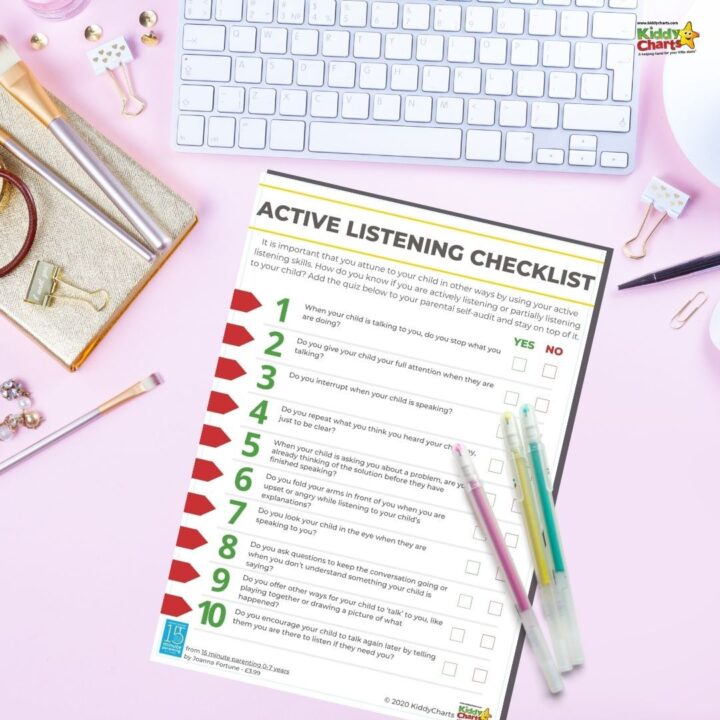
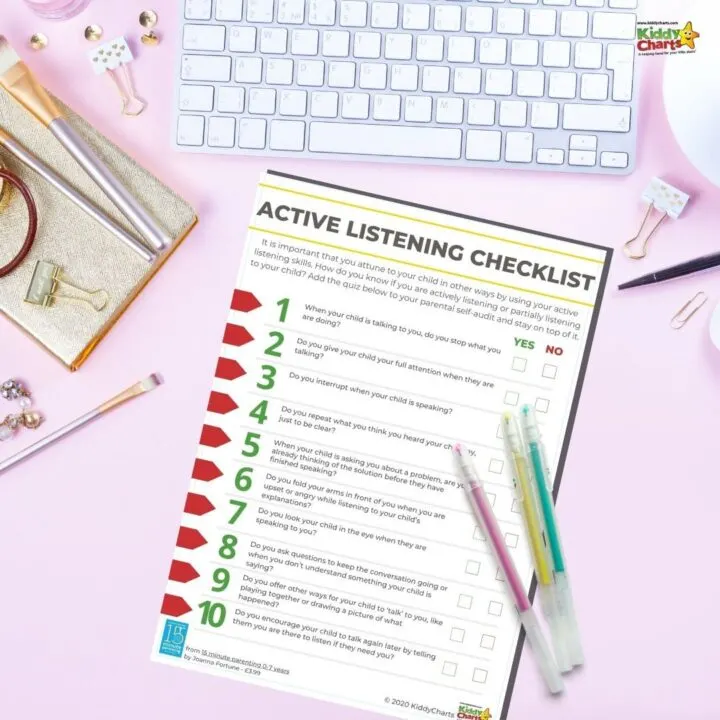
How to be an active listener for your kids: Includes checklist
Active listening is something that really helps when we are talking to out kids. It makes them feel heard. See how you can develop these skills today.
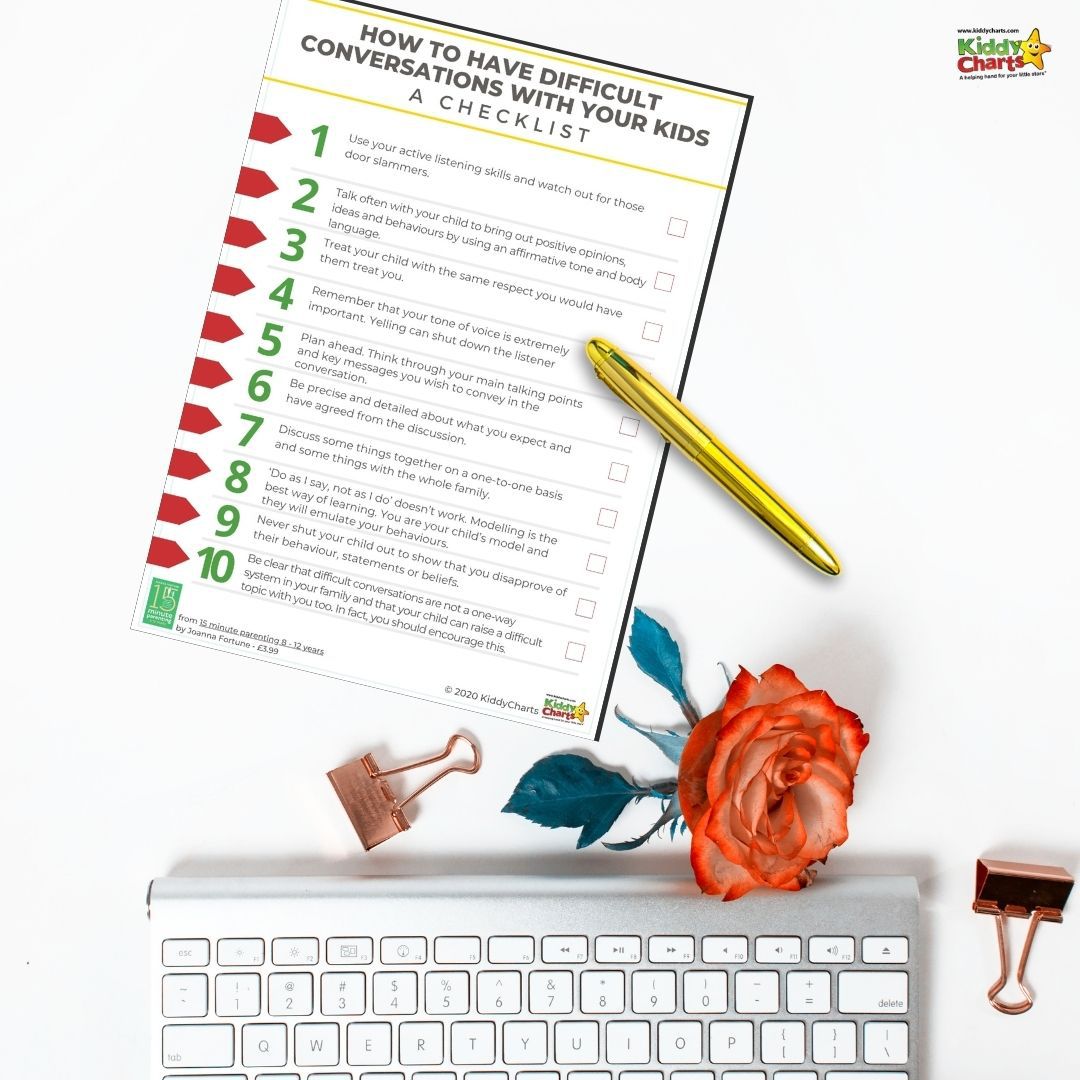
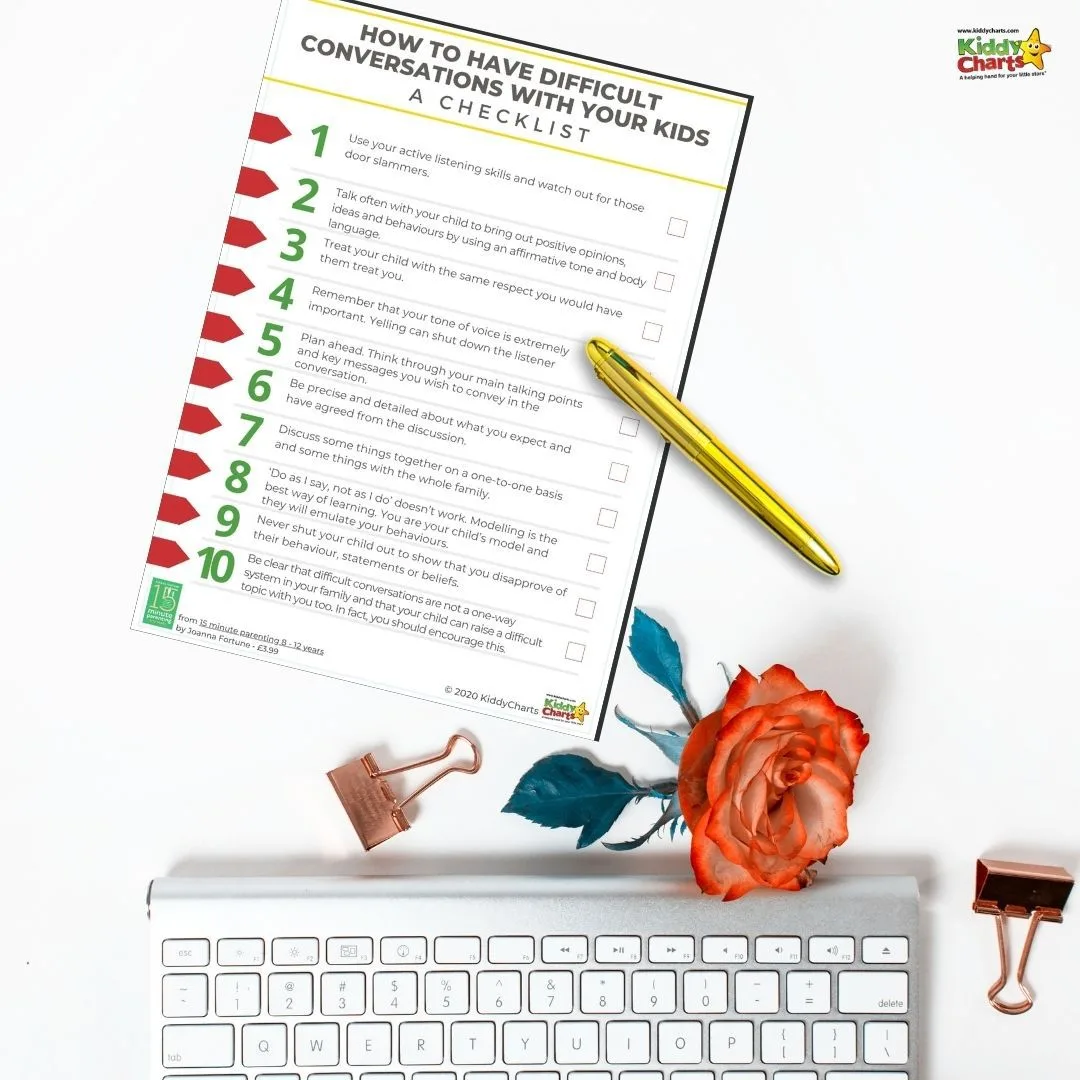
10 tips for having difficult conversations with your kids
We need to have those hard conversations with our children, but how can we manage it?

Family communication: Don't forget those three little words
Communicating together as a family can be difficult, but if you remember this, it does become easier.
As well as these off site:
Here are some ideas around communication for the parents out there that are complementary to the article above.


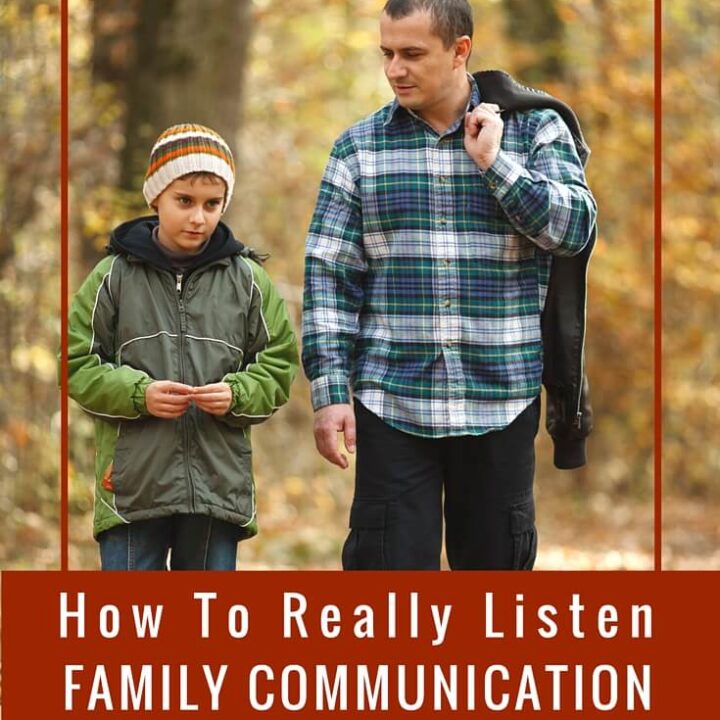
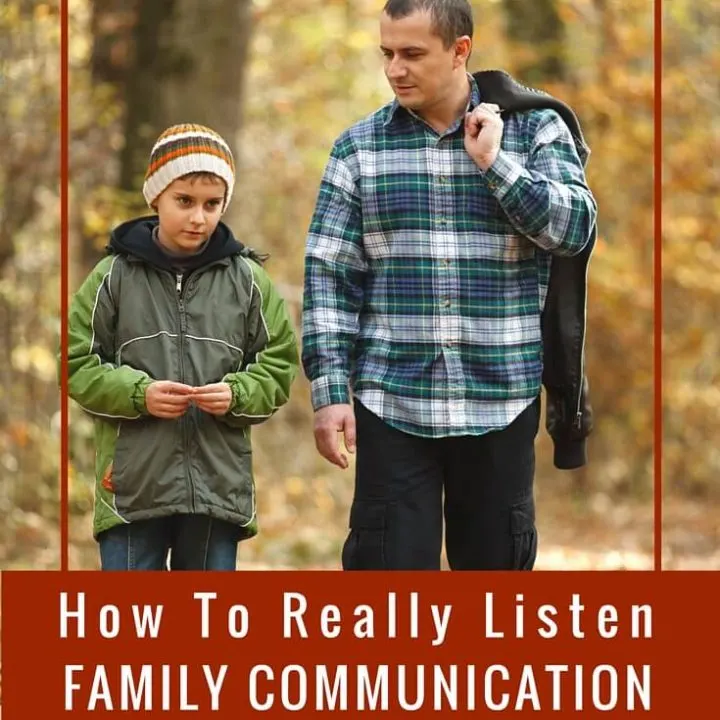
How To Really Listen: Improve Family Communication
win at the family game: getting past the fights and mess
Thanks so much for coming to visit us, and we do hope that you stick around and come again.
Helen

Helen Neale

Helen is a mum to two, social media consultant, website editor and a qualified counsellor with experience of working with both children and adults. She is a registered member of the British Association of Counselling and Psychotherapists, with her own private practise. She also freelances with her local Mind organisation. Since giving up being a business analyst when juggling travel, work and kids proved too complicated, she founded KiddyCharts so she could be with her kids, use those grey cells at the same time, and supplement her counselling income. KiddyCharts has reach of over 680k across socials and the site. The site works with big family brands to help promote their services, as well as offering free resources to parents of kids under 10. She is a specialist counsellor for neurodivergent individuals and brings this expertise to her resources and the site. She is also an ADHDer herself. KiddyCharts gives 51%+ profits to charities, focused on supporting mental health and a community in Tanzania Helen has also worked as a digital marketing consultant (IDM qualified) with various organisations, including Channel Mum, Truprint, Talk to Mums, and Micro Scooters. She loves to be creative in the brand campaigns she works on. Get in touch TODAY!