


This guide is for parents and caregivers looking to transform bathtime into a fun, safe, and memorable experience for their children. If you’re searching for bathtime tips, you’re in the right place. Is bathtime in your house a scene of serenity or something closer to a water-park disaster zone? We’ve all been there. One night they love the water; the next, you’d think you were asking them to scrub down with sandpaper.
We know that water, and sensory needs can impact our little ones, so it is helpful to make bathtime fun; keeping our kids associating the time with fun.
We love a singsong in the bath to help with this. Did you know there’s even a song called ‘Bathtime’ by Raffi, featured on the albums ‘Everything Grows’ and ‘Raffi in Concert with the Rise and Shine Band’? Its joyful, playful lyrics celebrate the comfort and fun of taking a bath, highlighting themes of self-care, relaxation, and joy. Why not check it out and see if it helps?
This is a collaborative post.


That’s a top right there for free – so what are our other secrets to a perfect time in the bath with the kids? Bathtime doesn’t have to be a chore.
In fact, with a little creativity and the right approach, maybe even singing a catchy ‘ba-ba-ba, bubbly bubbles’ chorus, your bathtimes can become the highlight of your day. Like a favorite song, and we might have found one for you, it could be a time for connection, play, and winding down, filled with playful moments and laughter.
Engaging activities, sensory elements, and established routines all contribute to making bath time enjoyable for your children.
Ready to banish the bathtime blues? Here are first some benefits to bath time and then our top tips to make splashing about fabulous for everyone.
Benefits of bath time
Bath time is so much more than just a daily routine, it can be turned into a special moment that brings comfort and joy to both you and your little one. The warm water of the bath helps relax your child’s body, making it the perfect way to wind down before bedtime. There’s something about the feeling of being surrounded by warmth that makes bath time feel like a cozy retreat at home. As your child plays with soap and splashes in the water, they’re not just getting clean, they’re also developing important sensory skills.
Bath time is a wonderful opportunity for play, laughter, and bonding, filling your home with love and creating memories that last long after the bath is finished. So, take the time to enjoy these moments; they’re as good for the heart as they are for the body.


Now that you know the benefits, let’s explore how to make bath time even more awesome for you and your kids.
Create a sensory wonderland at bath time
Sometimes, the reluctance to get in the tub stems from boredom. If the water is just… well, water, it’s not very exciting for a toddler with a big imagination. This was definitely an issue with our little ones, neurodivergent brains needs stimulation, and just sitting in the bath sometimes wasn’t quite enough. You might need to up the ante to make bathtime truly magical. One way to do this is by turning the routine into a playful song or rhyme, using each verse to highlight a different part of the bathtime adventure. We do have a few more ideas for you too below:
Sensory play ideas
Why not transform the water itself? Using bath bombs for kids is a brilliant way to do this. Watching a bath bomb fizz and dissolve at bathtime is pure magic for little eyes. It turns clear water into a colourful, scented lagoon. Plus, the gentle fizz adds a sensory texture that many children find fascinating. Try singing playful phrases like “Ba-ba-ba, bubbly bubbles” or “Wo-wo-wo, silky bubbles” as you go through each step of the bathtime wash. It’s a simple trick, but it instantly turns “getting clean” into a mini science experiment during bathtime. A fun wash can make your child smile so its not just about getting clean, its about happiness too.
Transitioning from sensory play, let’s look at how choosing the right bathtub can further enhance your child’s comfort and safety.

Choosing the right bathtub
Selecting the perfect tub for your baby can make all the difference in your bath time routine. For newborns and younger babies, a sink bath or a collapsible tub is a great choice as they fit easily in your bathroom and save space, while providing the support your little one needs.
As your baby grows and becomes more active, you might want to switch to a standard baby bathtub that offers extra comfort and room to splash. Think about the space you have in your bathroom and what will work best for your family’s needs. Whether you choose a compact tub or a larger one, making sure your baby feels safe and supported in the bath will help everyone enjoy bath time even more.
Once you have the right tub, it’s important to ensure the water temperature and atmosphere are just right for a soothing experience.
Check Your bathtime temperature and warm atmosphere
We adults often love a steaming hot bath to melt away stress, but children have much more sensitive skin. If the water is too hot, they will naturally resist getting in. Conversely, a chilly bathroom makes the transition from clothes to tub miserable, which spoils bathtime for everyone as well. Particularly if your child struggles with transitions.
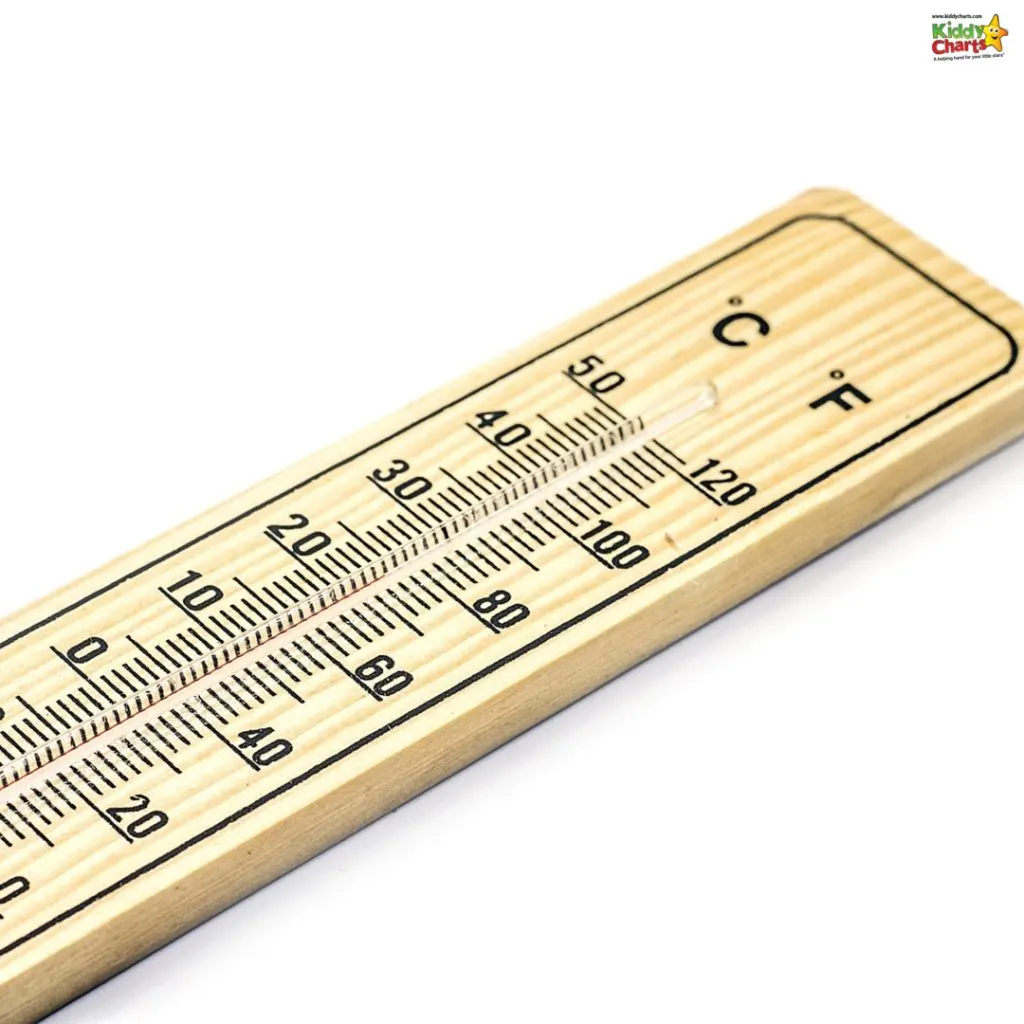
Aim for a fine, nice, and comfortable temperature, around 37°C to 38°C is usually the sweet spot for bathtime. The water should feel warm and inviting, but not too warm so to avoid burns. Pop a thermometer in if you aren’t sure. For safety, you should never use more than a couple inches of water in the tub and always keep the water level low, just covering the baby’s legs during bathtime. Also, consider the vibe of the room. Dim the main lights and use a soft nightlight to signal that this is a time for relaxation, not high-energy play. A warm room and cosy lighting set the stage for a calm evening bathtime.

With the right temperature and atmosphere set, let’s consider how often your child could enjoy these relaxing baths.
Bathing frequency: Finding the perfect balance
When it comes to bathing your baby, finding the right balance is key. While it’s important to keep your little one clean, daily baths aren’t always necessary, usually two or three times a week is just right for most babies. Over-bathing can actually dry out their delicate skin, so it’s okay to skip a day or two, especially if they haven’t been playing outside or getting messy. Remember, bath time isn’t just about washing away the day; it’s also a chance for play, bonding, and making memories. By keeping bath time special and not overdoing it, you’ll help protect your baby’s skin and make each bath a time to look forward to.
Now that you know how often to bathe your child, let’s focus on the products that will keep their skin healthy and happy.
Choose gentle, natural soap products for bathtime
When you are scrubbing grubby knees and washing hair, the products you use at bathtime matter. Harsh soaps can sting eyes or dry out delicate skin, leading to tears and tantrums. Always use only a small amount of soap, especially for newborns or babies with sensitive skin, to keep their skin safe and comfortable.
For children with sensitive skin, fragrance-free, hypoallergenic products are recommended during baths.
Look for brands that prioritise natural ingredients and gentleness. For instance, Kneipp offers a wonderful range of bathtime products that are often based on plant-based ingredients. When it’s time to wash, make it playful, saying, “gonna scrub those knees and elbows!”
Singing about a toes scrub and a nose wash can turn the routine into a fun, musical moment. Using products with calming scents like lavender or eucalyptus can also have a therapeutic effect, helping active minds switch off before bed. When the products feel good and smell good, kids are much more likely to enjoy the bathtime process.
Always remember to keep one hand on the baby while washing to ensure their safety.


With gentle products in hand, let’s move on to the best techniques for a happy, safe splash.
Bathing techniques for a happy splash
Bathing your baby can be a fun and soothing experience when you use the right techniques.
Safety first
As we have already said, always check that the water is just warm enough, not too hot, not too cold, to keep your little one comfortable. Alongside this,. remember to choose a gentle soap made for babies to keep their skin soft and happy.
Gentle cleansing steps
Follow these steps for a safe and enjoyable bath:
- Start by washing your baby’s head and gently work your way down.
- Make sure to clean behind the ears, under the chin, and between those tiny toes.
- Don’t forget to give their nose a gentle wash, too!
- Be extra careful around sensitive areas.
- Always support your baby’s head and body with one hand while you wash with the other.
With a little care and attention, bath time can be a safe, enjoyable, and refreshing part of your day.

Now, let’s discover how to make bath time even more fun by bringing play into the tub.
Bring play to bathtime
Who says toys have to stay on dry land? If your child is in the middle of a game, dragging them away for a wash is bound to cause friction. Instead, bring the play with you to bathtime. Imagine your little one as a baby whale, happily splashing and feeling right at home in the water. This playful approach can make bathtime comforting and fun. We brought lots of different toys into the bath, even if they weren’t originally for water play sometimes.
Play ideas for bathtime
Try these fun and engaging play ideas to make bath time a highlight:
- Waterproof toys such as stacking cups, floating animals, or foam letters can enhance your child’s bath experience.
- Bath crayons, markers, or finger paints designed for tubs allow children to create art during bath time and draw on tub walls.
- Music or waterproof books can make the time entertaining and interactive.
- Adding glow sticks or water-activated light-up toys can create a glow-in-the-dark bath experience.
- Everyday items like plastic cups, funnels, and empty shampoo bottles make excellent vessels for pouring and scooping at bathtime.
By integrating play, you shift the focus from “washing” to “playing,” making the necessary scrubbing much easier to manage at bathtime.
Almost every baby goes through a phase where they may not enjoy bath time, and this is completely normal. Bath time can become one of the best parts of the day as babies grow older and enjoy splashing and playing in the water.

With playtime in the tub covered, let’s look at some specific tips for older babies to keep bath time safe and exciting.
Tips for older babies
As your baby grows, bath time becomes even more exciting and interactive. Older babies love to splash, play, and explore the water, so bring in some fun bath time toys like rubber ducks or soft squirting animals to keep them entertained. Continue to use gentle soap and shampoo to protect their sensitive skin, and always keep a close eye on them as they move around the tub. For extra safety, consider adding a non-slip mat or a bath seat to your bathroom setup. With the right mix of play, gentle care, and safety, bath time can be a highlight of your day: full of laughter, learning, and love.
Now that you have tips for older babies, let’s talk about the importance of timing for a smooth bathtime routine.
Timing is everything when it comes to bathtime
Trying to force a tired, hungry, or over-stimulated child into the bath is a recipe for disaster. If you leave it too late in the evening, they might be too exhausted to cooperate at bathtime.
Try to schedule bathtime before the “meltdown zone” hits.
Establishing a consistent routine helps massively. Taking parents through the bathtime routine step-by-step can make the process easier and more manageable. If they know that dinner is followed by play, then bathtime, then stories, they know what to expect. Consistency breeds security for children. By keeping the timing of bathtime predictable, you remove the surprise element and the resistance that often comes with transitions.
With these tips and ideas, you can transform bathtime into a cherished, safe, and joyful part of your family’s daily routine.
Why not check out some of our other articles and printables around nursery and babies on the site:
Nursery printables for your baby on KiddyCharts
Here are some more ideas for you and your baby for the nursery - do check them out. There are, after all, completely free!


Nursery checklist: Must have nursery essentials including free nursery wall art
This is a checklist we have for nursery items that works well alongside this article - why not check it out?


Adorable printable jungle nursery mobile
If you are looking for a gorgeous mobile for the nursery - this is perfect for you. And it is also free to download from the site too.


Alphabet poster printables
Sometimes it is nice to have a few little posters on the wall for baby - these alphabet printables are perfect.


Alphabet flash cards
Finally, if you want a little game for your little ones as they grow up or some free phonics flashcards for toddlers learning phonics. Try these alphabet flash cards for them - print them on card and laminate them and they will last just that little bit longer.
Alongside some off site too:
Baby related printables and articles from around the web
Whether baby is on their way or already here, we have some great baby related printables to share with you from around the web. Take a look and get inspired!
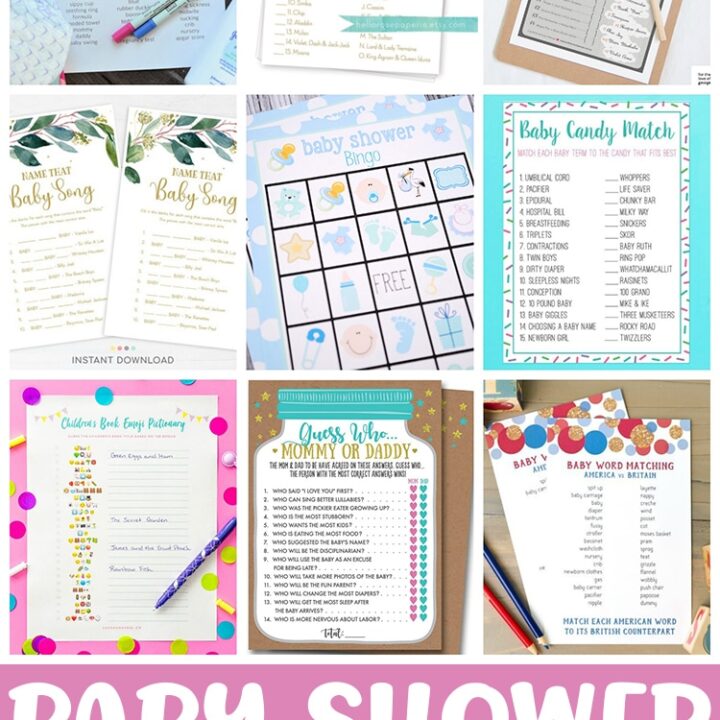

18 Printable Baby Shower Games
These fun printable baby shower games will be enjoyed by all. Take a look and download yours!
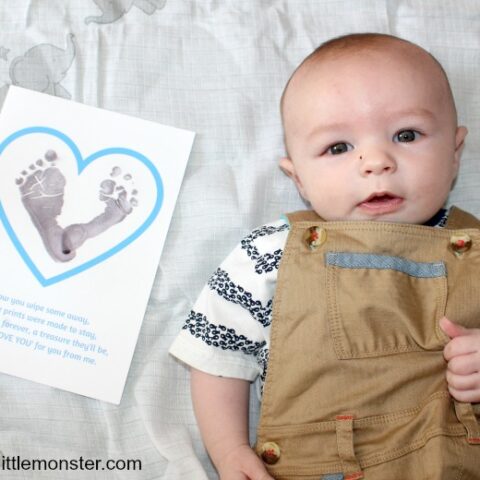

Baby Footprint Poems - 6 printable footprint quotes & poems!
These lovely keepsake crafts will become cherished memories for years to come. Take a look at yours here.

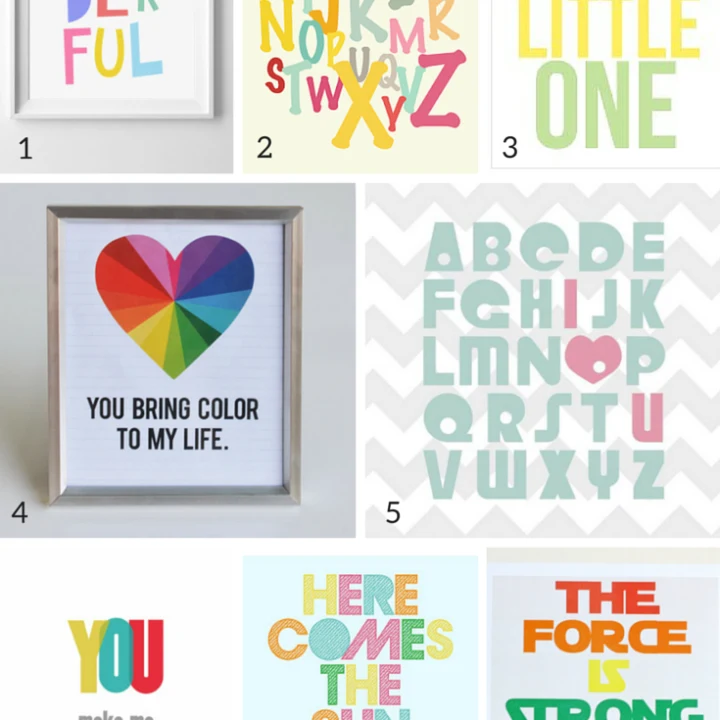
100 Free Nursery Printables That'll Look Good In Every Baby's Room
Make your baby's nursery beautiful with these 100 free nursery printables!
Thanks so much for coming to see us.
Helen

Helen Neale

Helen is a mum to two, social media consultant, website editor and a qualified counsellor with experience of working with both children and adults. She is a registered member of the British Association of Counselling and Psychotherapists, with her own private practise. She also freelances with her local Mind organisation. Since giving up being a business analyst when juggling travel, work and kids proved too complicated, she founded KiddyCharts so she could be with her kids, use those grey cells at the same time, and supplement her counselling income. KiddyCharts has reach of over 680k across socials and the site. The site works with big family brands to help promote their services, as well as offering free resources to parents of kids under 10. She is a specialist counsellor for neurodivergent individuals and brings this expertise to her resources and the site. She is also an ADHDer herself. KiddyCharts gives 51%+ profits to charities, focused on supporting mental health and a community in Tanzania Helen has also worked as a digital marketing consultant (IDM qualified) with various organisations, including Channel Mum, Truprint, Talk to Mums, and Micro Scooters. She loves to be creative in the brand campaigns she works on. Get in touch TODAY!