We all know how important it is to get our kids connected with the world outside their windows, and a science nature quiz is a fantastic way to do just that. This resource is perfect for parents, teachers, and anyone looking to engage children with science and nature. Science nature quizzes help spark curiosity and make learning about the world fun and interactive.
A science nature quiz is a type of trivia quiz used for entertainment or educational purposes that tests knowledge of life, health, science, and technology, and explores topics such as animals, ecosystems, human anatomy, and diseases. Quizzes on science and nature explore topics such as animals, ecosystems, human anatomy, and diseases.
We love getting our kids outdoors, and we know that many families are the same. Whether you are a teacher looking for a new classroom activity, or a parent wanting to spark some curiosity on a rainy weekend, a science nature quiz is a brilliant way to test knowledge and learn new facts. We do already have a funky science trivia quiz, but this is a little bit more specific with a few more fun ideas for play added, including a wordsearch, and a scavenger hunt. Don’t forget to check out the other scavenger hunt ideas we have on the site too.
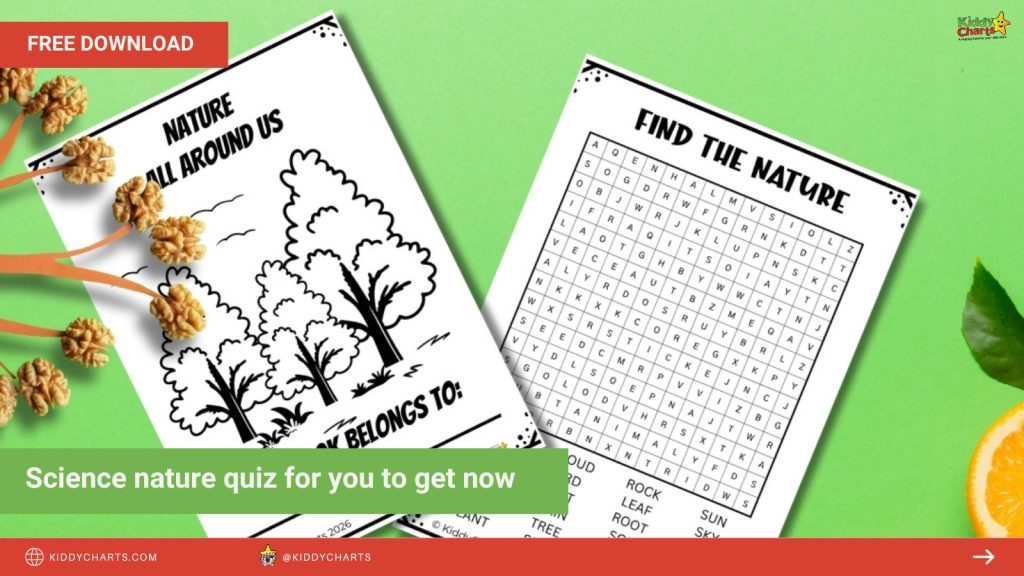
To help nature exploration out, we have designed this lovely new printable pack. It is versatile, fun, and adaptable for different ages and abilities.
Let’s take a look at what is inside and how you can make the most of it with your children.
Let’s take a look at what is inside and how you can make the most of it with your children.
What is inside this science nature quiz?
A science nature quiz is a type of trivia quiz used for entertainment or educational purposes that tests knowledge of life, health, science, and technology, and explores topics such as animals, ecosystems, human anatomy, and diseases.
We have created this pack to grow with your child. It isn’t just a single sheet; we have included different levels of difficulty so that everyone from toddlers to teens can get involved. This science nature quiz is a fun challenge that tests knowledge in science and nature, making learning both engaging and rewarding. You can download the science nature quiz for free.
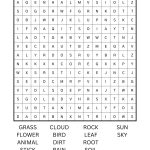
The printable includes three distinct quiz pages, ranging from simple observation questions to more complex scientific concepts. These quizzes can explore everything from animals and ecosystems to human anatomy and diseases, offering a wide breadth of topics. But that isn’t all. We know that some children learn better through doing rather than writing, so we have also included a “Find the Nature” word search and an outdoor scavenger hunt checklist as well. These quizzes are designed for curious minds and those interested in technology and medicine. They also encourage thinking about the future by exploring how scientific and technological advancements are shaping our world.

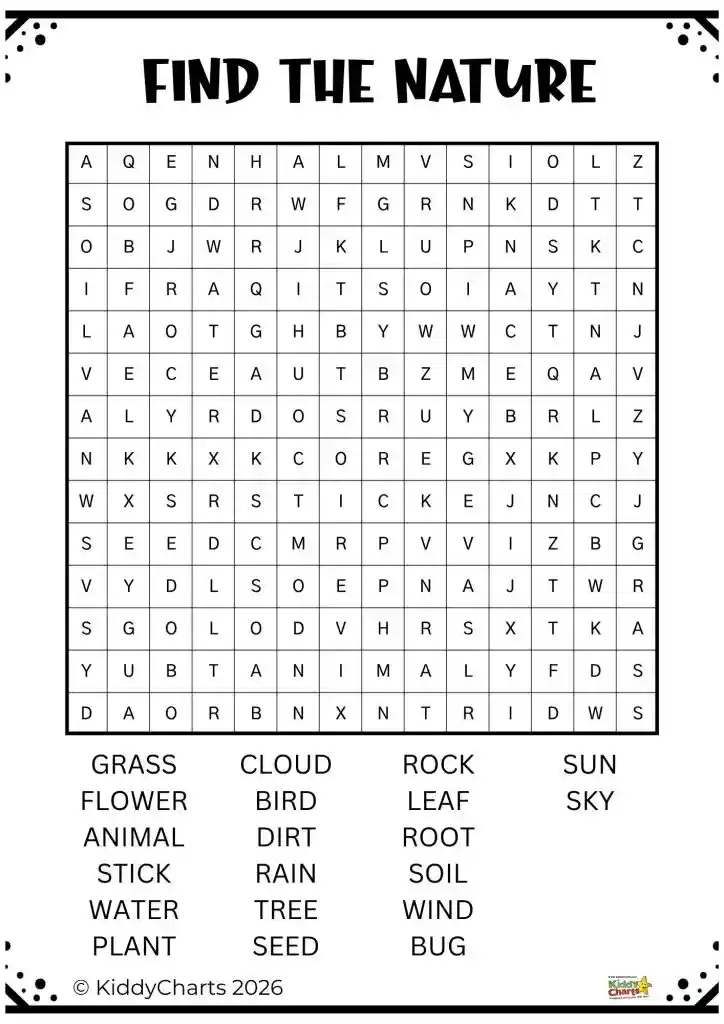

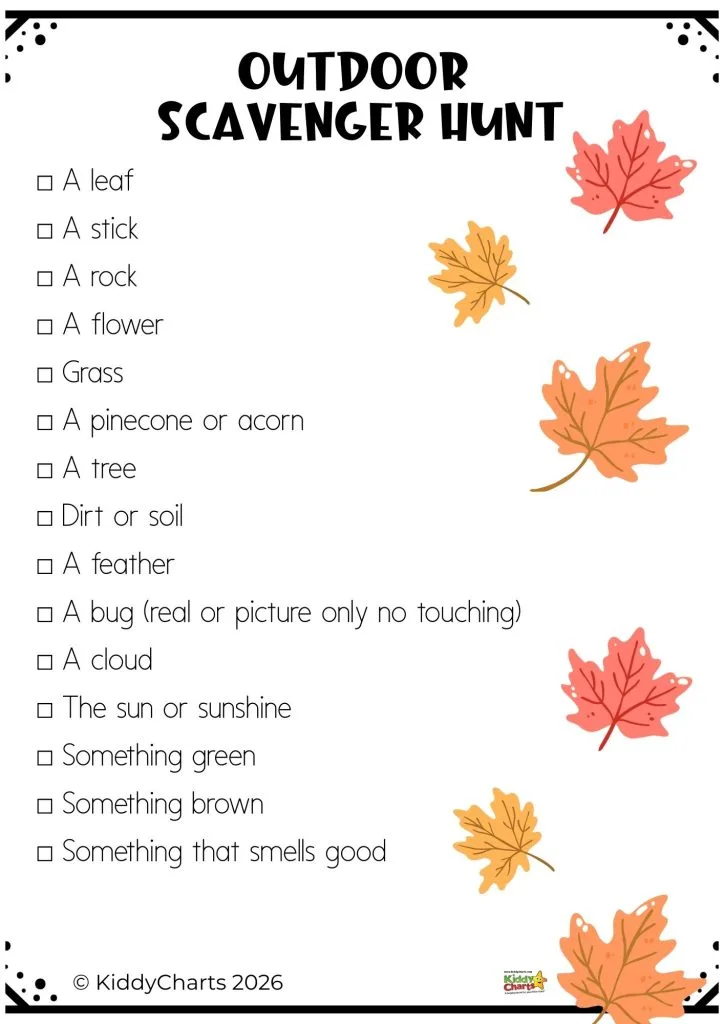
The questions: Something for all ages
We have split the questions into three pages/levels. You can choose the page that best fits your child’s current learning stage, or just do them all together, and help your children, or your class out when they need it.
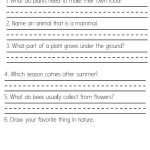
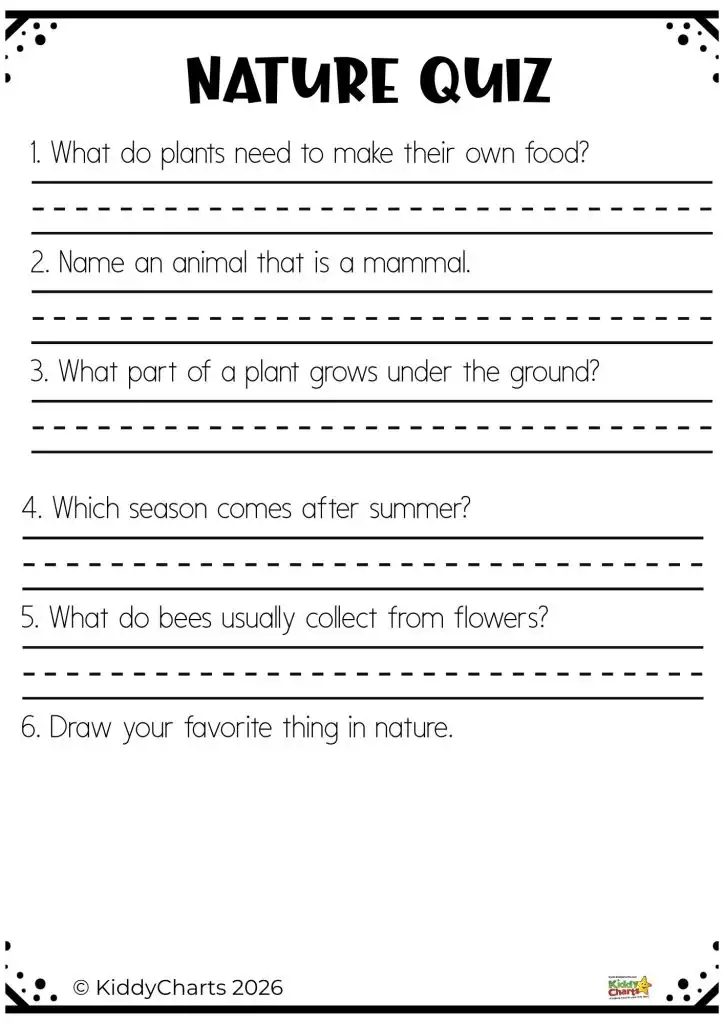
Level 1: For the little explorers
This page focuses on observation and basic facts. It is perfect for younger children who are just starting to learn about the seasons and animals.
- What do plants need to make their own food?
- Name an animal that is a mammal.
- What part of a plant grows under the ground?
- Which season comes after summer?
- What do bees usually collect from flowers?
- Draw your favorite thing in nature.
Level 2: For the curious minds
These questions dive a bit deeper into scientific processes. They are great for Key Stage 2 children who are learning about ecosystems and energy.
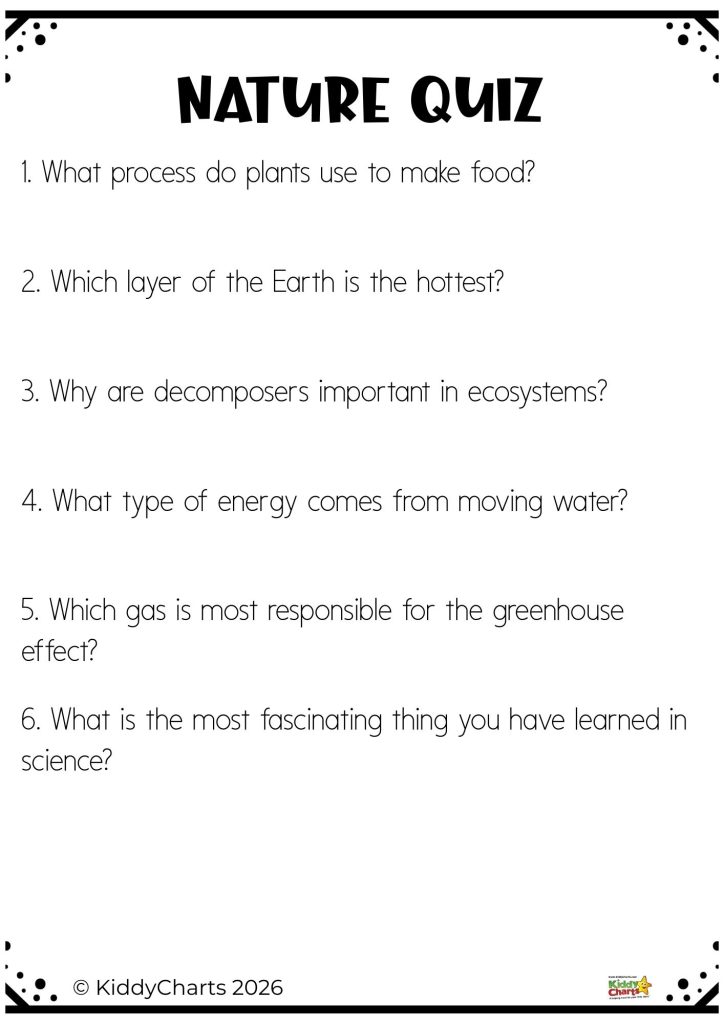
- What process do plants use to make food?
- Which layer of the Earth is the hottest?
- Why are decomposers important in ecosystems?
- What type of energy comes from moving water?
- Which gas is most responsible for the greenhouse effect?
- What is the most fascinating thing you have learned in science?

Level 3: For the budding science enthusiasts
This page introduces more advanced biological and ecological concepts. It is ideal for older children or teens with a specific interest in environmental science.
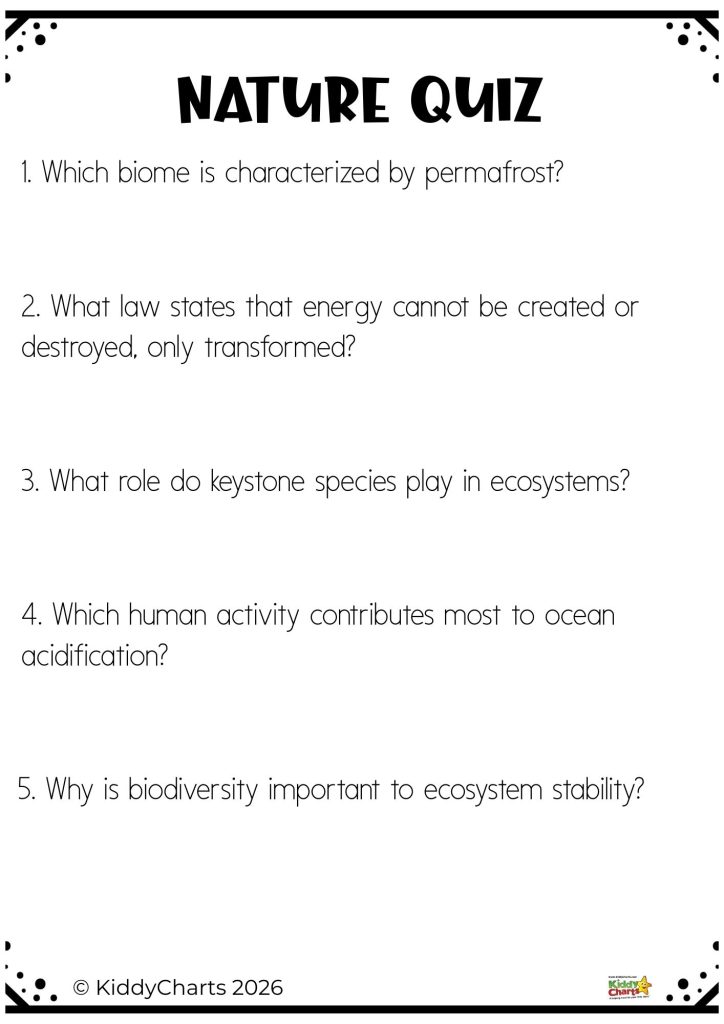
- Which biome is characterized by permafrost?
- What law states that energy cannot be created or destroyed, only transformed?
- What role do keystone species play in ecosystems?
- Which human activity contributes most to ocean acidification?
- Why is biodiversity important to ecosystem stability?
The answers
No science nature quiz is complete without the answers! Here is a quick cheat sheet for parents and teachers so you can mark the quizzes together.
Level 1 Answers:
- Sunlight, water, and air (carbon dioxide).
- Open answer: Dog, cat, human, lion, whale, etc.
- Roots.
- Autumn.
- Nectar and pollen.
Level 2 Answers:
- Photosynthesis.
- The Inner Core.
- They break down dead organisms and recycle nutrients back into the soil.
- Hydroelectric energy (or kinetic energy).
- Carbon Dioxide.
Level 3 Answers:
- Tundra.
- The Law of Conservation of Energy (First Law of Thermodynamics).
- They hold the system together; without them, the ecosystem would change drastically or cease to exist.
- Burning fossil fuels (releasing CO2 which is absorbed by the ocean).
- High biodiversity increases resilience against diseases, disasters, and environmental changes.

Ideas for using these quizzes
You don’t just have to sit at a table and fill in the blanks, which we appreciate isn’t likely to be the best way to engage your kids, particularly if they like to move. Completing the science nature quiz can be a fun challenge, giving a sense of satisfaction as kids test their knowledge in an engaging way.
Here are a few creative ways to use these sheets:
- The “run-around” quiz: Place the questions on trees or walls around the garden. Kids have to run to find the question, answer it, and run back.
- Research project: For the harder questions, don’t just give the answers. If they don’t know what “permafrost” is, use it as a prompt to watch a documentary or visit the library.
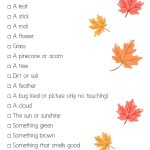
- The scavenger hunt hybrid: Use the included scavenger hunt page (Page 7) alongside the quiz. For every item they find on the scavenger list (like a pinecone or a bug), they get a “clue” to help them answer a difficult quiz question.
- Complete it online: The quiz can also be accessed and completed directly from our website, making it easy to take on the challenge wherever you are.
Again, don’t forget our other scavenger hunts, including our winter scavenger hunt, a summer one and another nature scavenger hunt too. We even have an eco litter picking scavenger hunt too. You can always search (using the right-hand toolbar) to find other ideas for you and your family, or classroom.
Making this quiz inclusive: A neuro-affirming approach
We know that traditional quizzes can sometimes be stressful for neurodivergent children. Whether a child is Autistic, has ADHD, or simply processes information differently, standard testing methods aren’t always the best way to show what they know.
Remove the time pressure
For children with slower processing speeds, a “quick-fire” quiz is anxiety-inducing, not fun. Remove the timer completely. Let them take the sheet away and bring it back later, or even the next day. This allows them to process the questions at their own pace without the fear of “being too slow.”
Embrace parallel play
Many neurodivergent kids find group work draining or difficult. While a quiz is often seen as a social “team” activity, it doesn’t have to be. Allow children to work on the quiz independently if they prefer. They can still be part of the class or family activity by working alongside others (parallel play) rather than being forced into direct interaction that might feel overwhelming.
Offer multiple ways to answer
Writing can be a barrier for some children with dysgraphia or motor coordination differences.
- Verbal answers: Let them tell you the answer.
- Scribing: You write down what they say.
- Visual choices: For the open questions, you could print out pictures of the answers and let them point to the correct one.
Lean into special interests
If a child has a deep, passionate interest in a specific area, perhaps space or marine biology, then you can use the blank spaces on the quiz sheets creatively. For example, on the Level 2 sheet where it asks for the “most fascinating thing learned,” encourage them to infodump about their favourite topic. This validates their passion and makes the activity intrinsically rewarding.
Sensory considerations
The “Find the Nature” word search and the Scavenger Hunt are brilliant for sensory seekers. However, for those who are sensory avoidant, the “Scavenger Hunt” instruction to find a “bug” might be a little difficult. Adapt the rules: finding a picture of a bug in a book is just as valid as finding a real one. Always offer an alternative that feels safe to them.
We hope this printable brings a bit of nature into your home or classroom. Enjoy exploring the world of science together.
How to download the Science Nature Quiz
To download the science nature quiz you can click on the button or the image below, and the PDF is yours.

We do hope you like this. If you are looking for other science ideas and activities on the site, why not check out our STEM section, and some of these:
Science related activities and printables
Here are some more science activities to get stuck in to today.
Frog life cycle printables: Get to know your tadpoles!
So what is the frog and tadpole life cycle all about - we've got activity sheets to help learn about it all.
Ladybug Life cycle: Free printables for writing, math and fun!
The ladybird lifecycle is just as interesting as the flog - why not take a look here?
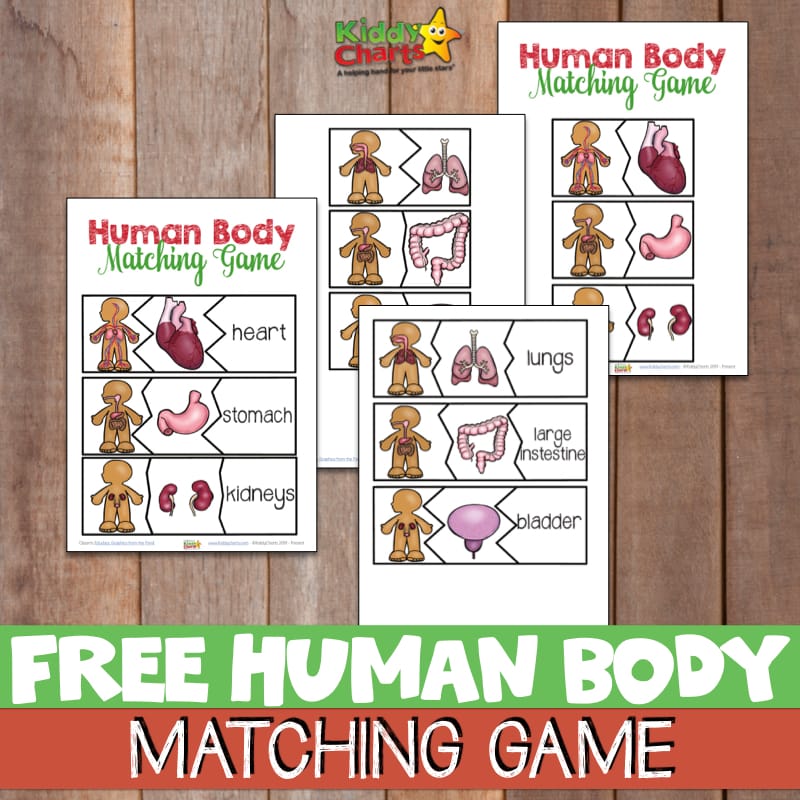
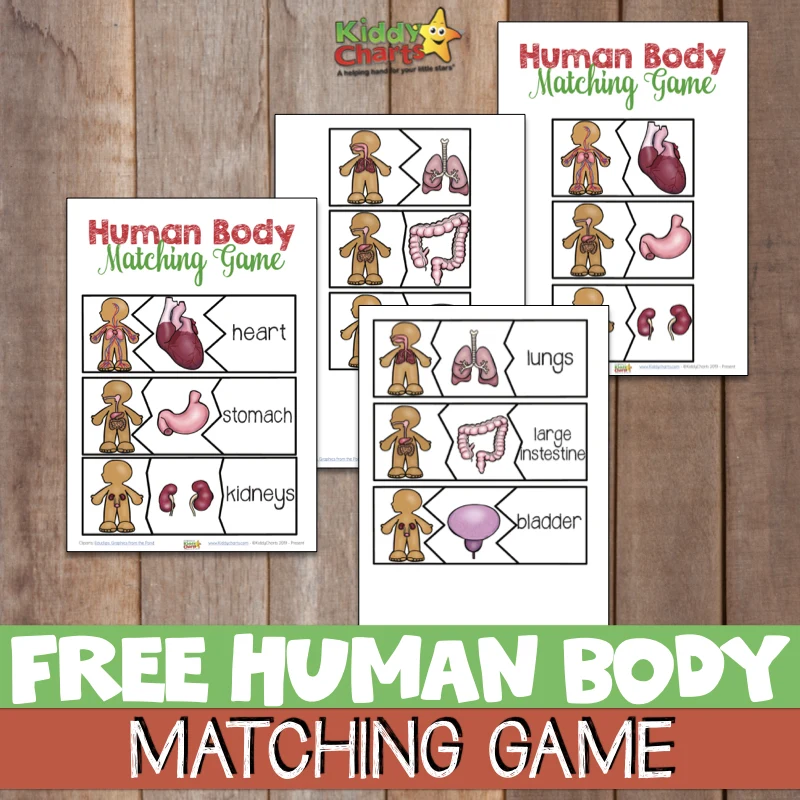
Human body matching game - Free printable
We have a human body matching game to help kids to learn all about their bodies.
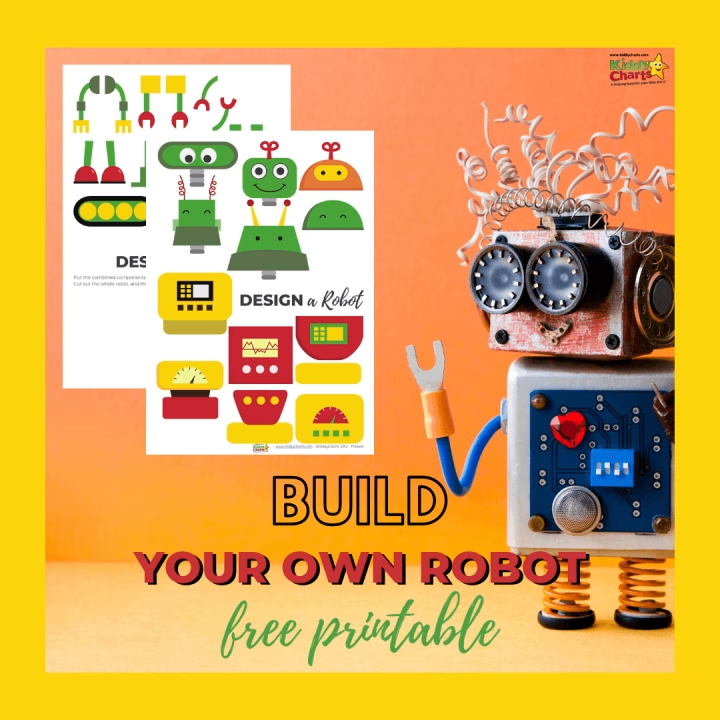
Build your own robot free STEM printable
Fancy building a robot? We have a printable to help!
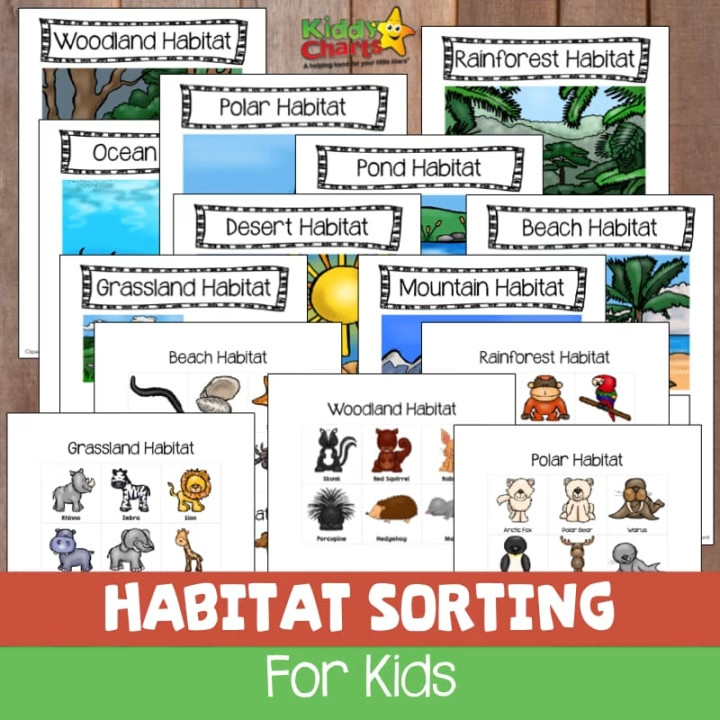
Animal habitats sorting game for kids: Free printable
This is our most popular printable activity - take a look and have some fun with us today.
As always, we would love you to support others creators as well, so why not check these out too:
More STEM ideas from the web
Combine learning and fun with these STEM ideas from around the web.

28 Days of STEM Activities and STEAM Activities for Kids
This post has 28 days of STEM activities for your kids to try out and enjoy.
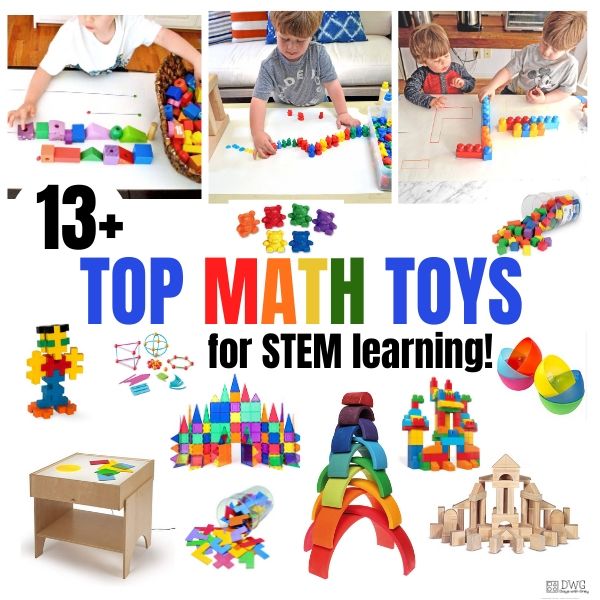
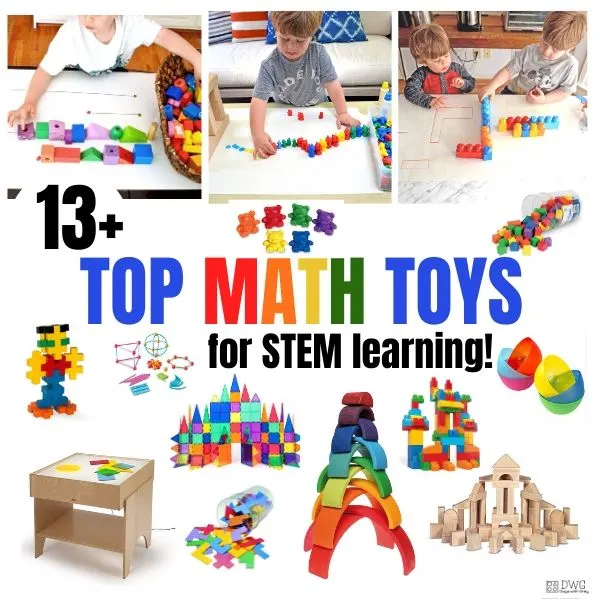
13+ Math Toys to Inspire STEM
Who said toys can't be educational? Check out these top math toys for STEM.
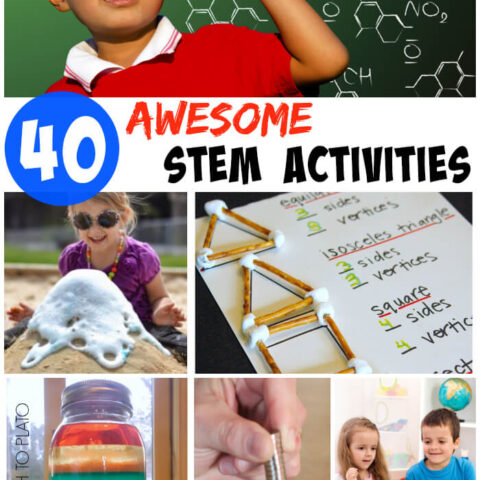
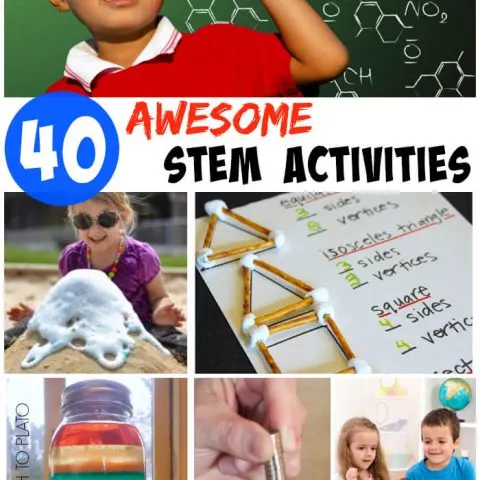
40 STEM Activities for Kids
Can't get enough STEM ideas? Here are 40 more!
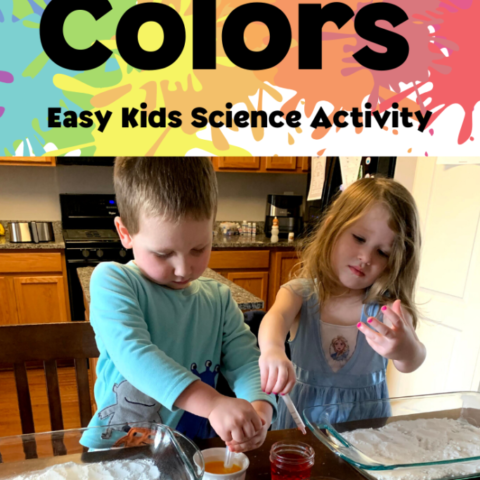
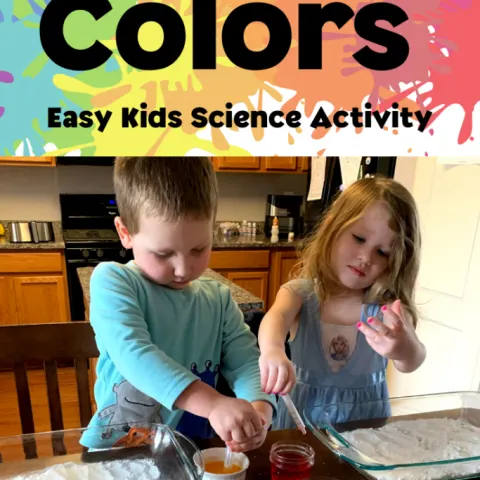
Fizzing Colors Science Activity
This looks like so much fun - ideal for little hands to explore with. So colourful, and fabulous for them!
We hope you like this quiz, and do come back again, we’d love to have you.
Take care,
Helen
Helen Neale

Helen is a mum to two, social media consultant, website editor and a qualified counsellor with experience of working with both children and adults. She is a registered member of the British Association of Counselling and Psychotherapists, with her own private practise. She also freelances with her local Mind organisation. Since giving up being a business analyst when juggling travel, work and kids proved too complicated, she founded KiddyCharts so she could be with her kids, use those grey cells at the same time, and supplement her counselling income. KiddyCharts has reach of over 680k across socials and the site. The site works with big family brands to help promote their services, as well as offering free resources to parents of kids under 10. She is a specialist counsellor for neurodivergent individuals and brings this expertise to her resources and the site. She is also an ADHDer herself. KiddyCharts gives 51%+ profits to charities, focused on supporting mental health and a community in Tanzania Helen has also worked as a digital marketing consultant (IDM qualified) with various organisations, including Channel Mum, Truprint, Talk to Mums, and Micro Scooters. She loves to be creative in the brand campaigns she works on. Get in touch TODAY!