

Transitioning from primary school to secondary school, or from high school to university, is a monumental milestone. It marks a shift in responsibility, workload, and personal identity. As a parent or guardian, one of the most impactful ways you can support this “big step up” is by physicalising the change. It can help to get an area of the home prepared, at the same time as working with the child to help and support them.
It might even be a fun thing for them to do too!
Creating a dedicated, organised, and inspiring study environment helps a student transition mentally into their new role. Here is how to design a space that fosters focus, creativity, and independence.
This is a collaborative post.
Defining the zone: Why a dedicated space matters
In the younger years, homework often happens at the kitchen table. While this allows for easy supervision, it doesn’t always support the deep focus required for more advanced curricula. A dedicated study zone signals to the brain that it is time to work.
When a student has a desk that belongs solely to them, they take greater ownership of their academic progress. It becomes a sanctuary where they can leave projects mid-way through without fear of them being cleared away for dinner. This autonomy is crucial for building the self-discipline they will need as they progress through their education.
Ergonomics and layout: Building for comfort
A student’s desk is their cockpit. If the chair is uncomfortable or the lighting is poor, focus will inevitably slip. When planning the layout, consider the “work triangle” of a student: their computer or laptop, their physical textbooks, and their writing space.
- Lighting: Position the desk near a window to maximize natural light during the day, which helps maintain circadian rhythms and mood. For late-night cramming sessions, a warm LED task lamp is essential to reduce eye strain.
- Desk: Ensure the desk height allows for a 90-degree angle at the elbows. If you are working with a tight or awkwardly shaped room, custom solutions often beat shop-bought furniture. Maybe you could even try something a little different, even using wood panels cut to size allows you to create a bespoke floating desk that fits perfectly into an alcove, maximizing floor space in smaller bedrooms
- Seating: Invest in a chair with lumbar support. Students spend hours sitting; a dining chair won’t cut it for long-term spinal health.
Smart storage: Banishing the clutter
As students move up the academic ladder, the sheer volume of “stuff” increases. From scientific calculators and art supplies to a growing library of textbooks, clutter is the enemy of a clear mind.
Vertical thinking
If floor space is limited, look up. Wall-mounted shelving is excellent for keeping frequently used books within arm’s reach. Floating shelves provide a modern, minimalist look that grows with the student, moving away from the “nursery” feel of bulky toy chests and towards a more mature aesthetic.
Organization systems
Encourage your student to help choose the organization system. Whether it’s color-coded lever arch files, desk organizers for stationery, or a pegboard for hanging headphones and cables, involving them in the process ensures they are more likely to maintain the system.
Minimising distractions in a digital age
We cannot ignore that modern students are digital natives. Their laptop is both their greatest tool and their biggest distraction. Designing the space to manage these distractions is key.
Consider a “tech-free” zone within the room: perhaps a comfortable beanbag or armchair reserved purely for reading physical books. Additionally, keep the desk clear of “leisure tech” like gaming consoles or tablets that aren’t being used for research. Cable management boxes can also hide the “spaghetti” of wires, creating a visual calm that helps keep the mind on the task at hand.

Personalization: A space they want to be in
While functionality is the priority, a sterile environment can feel oppressive. The “Big Step Up” is also about a student discovering who they are. Allow them to personalize their space with items that inspire them—be it a world map, a vision board, or framed photos of friends.
Psychologically, a space that reflects a student’s interests makes them feel safe and supported. When they feel “at home” at their desk, the barrier to starting their homework is lowered. You are not just building a place to study; you are building a launchpad for their future.
Sustainability and longevity
When creating this space, think long-term. A student’s needs at age 11 are very different from their needs at age 18. Opt for high-quality materials and a neutral color palette for the main furniture pieces. You can always update the “vibe” of the room with easily replaceable items like cushions, rugs, or wall art.
By investing time and thought into this environment now, you are giving your new student a significant advantage. You are telling them that their education is a priority and that they have a dedicated, professional space in which to succeed. The big step up is challenging, but with the right environment, it becomes an exciting adventure rather than a daunting chore.
We do have some other ideas for support for kids in school, so do check these out:
Planning and teaching resources off KiddyCharts
Here are some more planning and resource ideas for you from the internet.


How To Create STEM Lesson Plans & STEM Activities
How to get your head into the planning space for STEAM and STEM activities - five great ideas from Steam Powered Family.

The Ultimate List of Preschool Themes
A set of themes and ideas to help you to teach and plan preschool lessons / homeschooling from Preschool Inspirations.
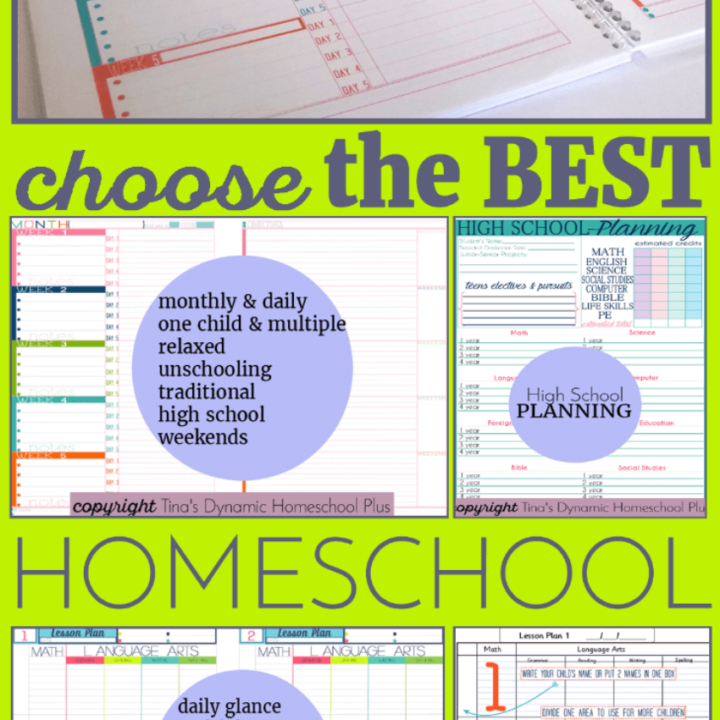
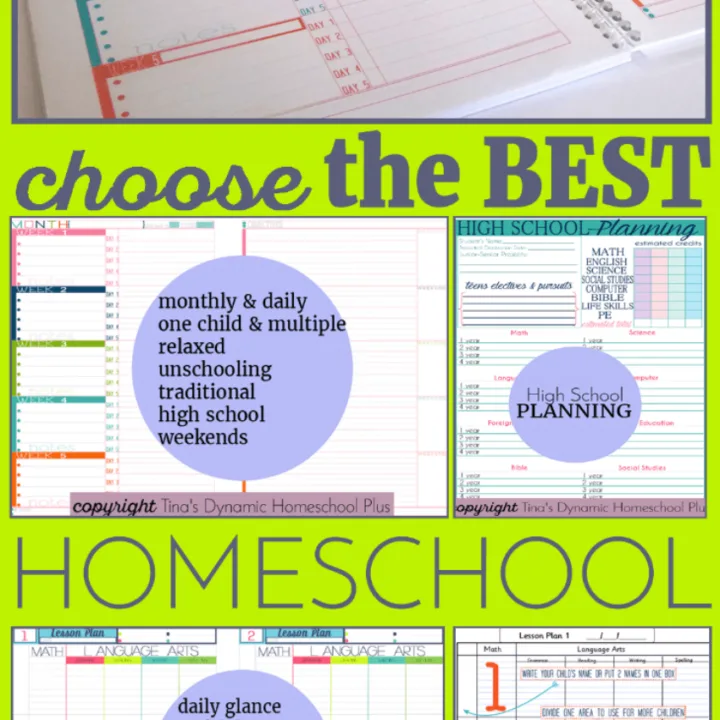
How to Choose the BEST Homeschool Planning Pages THIS Year!
If you are looking for a home comprehensive planning tool - then check this post out to help you decide what is best for you and your homeschooling life!
As well as some design ideas for a family home:
Other home related articles on KiddyCharts
Here are some more home related ideas for families on KiddyCharts for you to check out.
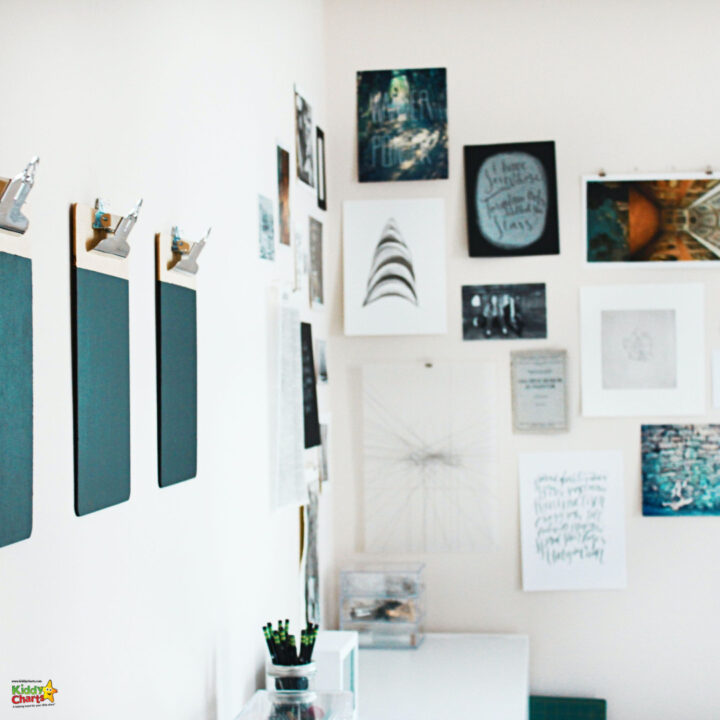
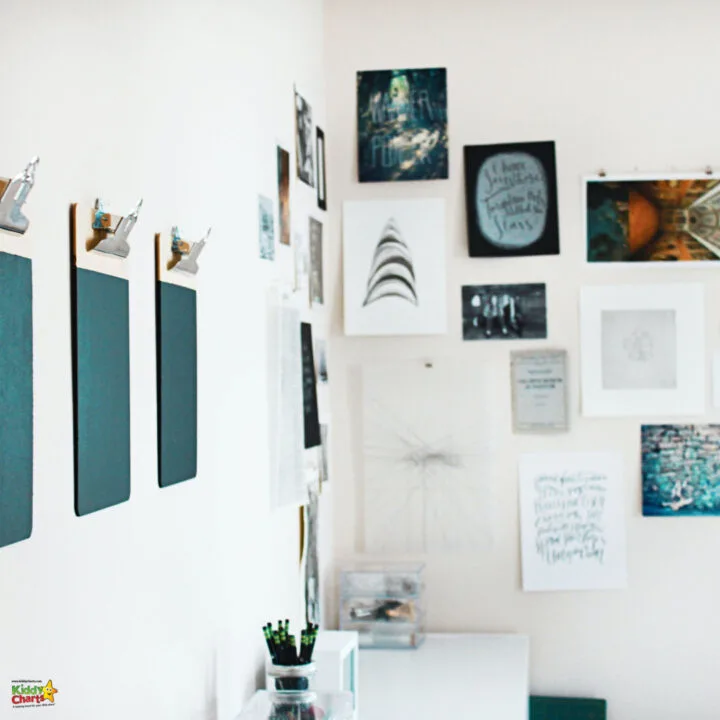
How to create a gallery wall in your kids bedroom
Ideas for making a fantastic gallery wall in your kids bedroom, perfect for any age even teens.
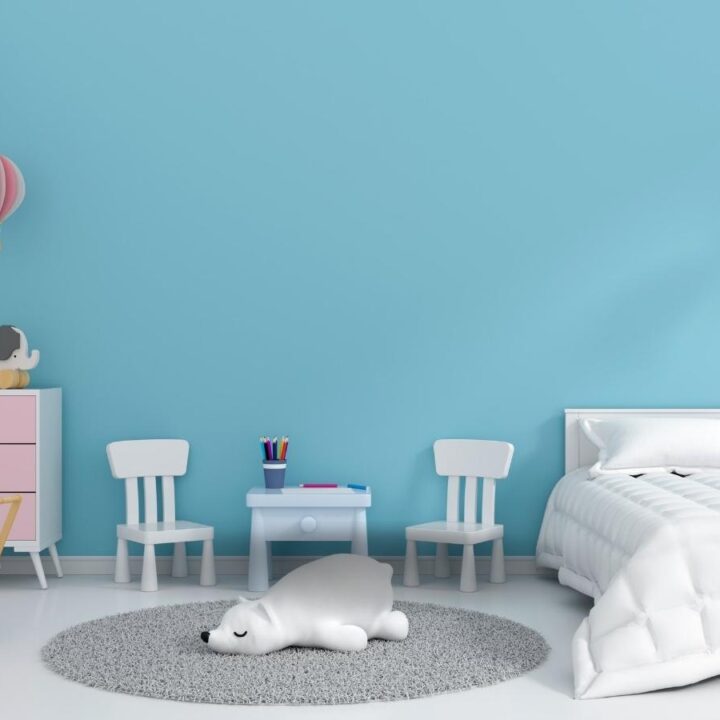
7 Easy and affordable bedroom decor ideas for kids
Ideas for you to get creative with to help decorate your kids room without having to spend a fortune on it.
Kids wall art ideas: Free printables for your kids room
Printables to put on the wall of your kids' bedroom to help inspire them, and you.
Thanks so much for visiting us today, and do come back again,
Helen
Helen Neale

Helen is a mum to two, social media consultant, website editor and a qualified counsellor with experience of working with both children and adults. She is a registered member of the British Association of Counselling and Psychotherapists, with her own private practise. She also freelances with her local Mind organisation. Since giving up being a business analyst when juggling travel, work and kids proved too complicated, she founded KiddyCharts so she could be with her kids, use those grey cells at the same time, and supplement her counselling income. KiddyCharts has reach of over 680k across socials and the site. The site works with big family brands to help promote their services, as well as offering free resources to parents of kids under 10. She is a specialist counsellor for neurodivergent individuals and brings this expertise to her resources and the site. She is also an ADHDer herself. KiddyCharts gives 51%+ profits to charities, focused on supporting mental health and a community in Tanzania Helen has also worked as a digital marketing consultant (IDM qualified) with various organisations, including Channel Mum, Truprint, Talk to Mums, and Micro Scooters. She loves to be creative in the brand campaigns she works on. Get in touch TODAY!