

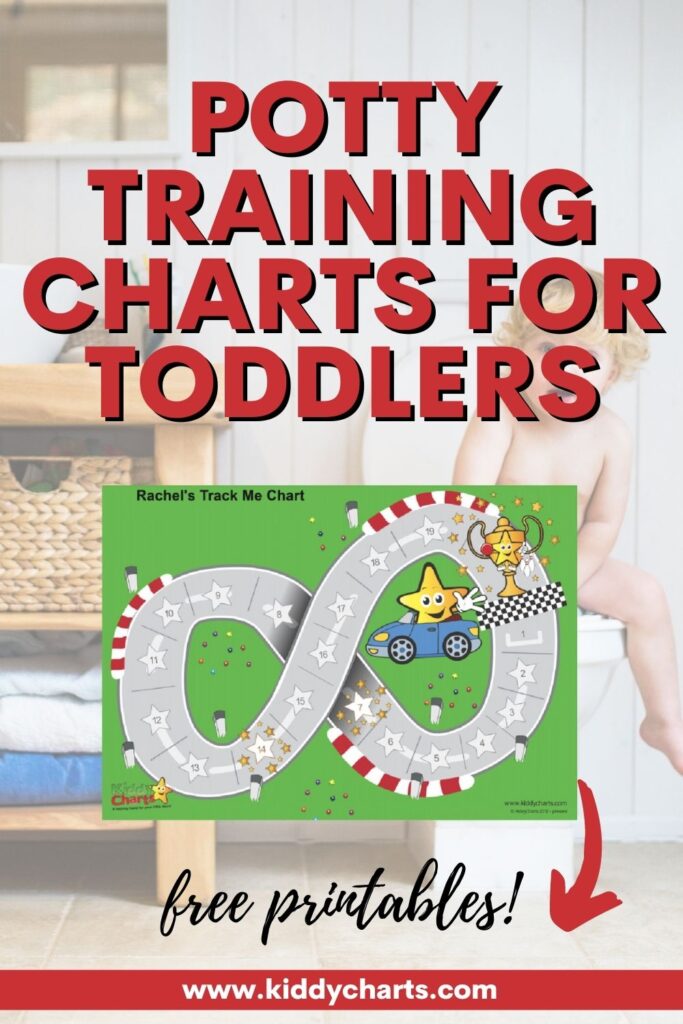
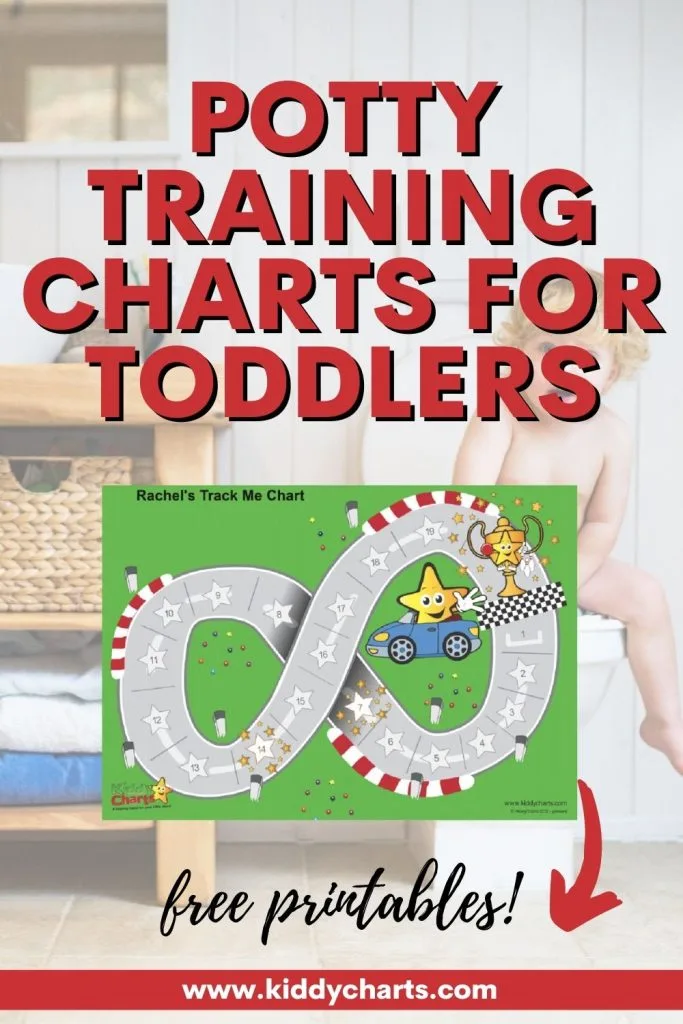
Are you in the middle of toilet training? This free printable potty training chart will set your child up for potty training success! You can easily print the chart at home and start using it right away.
Potty training a toddler can be a major challenge for a parent. While some toddlers potty train easily, many don’t.
If you have been struggling with potty training your child, here are a few tips and a cute potty training chart that can help your toddler become consistent at pottying, even at night. Hang the chart at your child’s eye level so it’s easy for them to see and stay motivated. Remember, encouragement and incentives like stickers or small rewards are important for both you and your child to make the process positive and successful.
What is a potty training chart for toddlers?
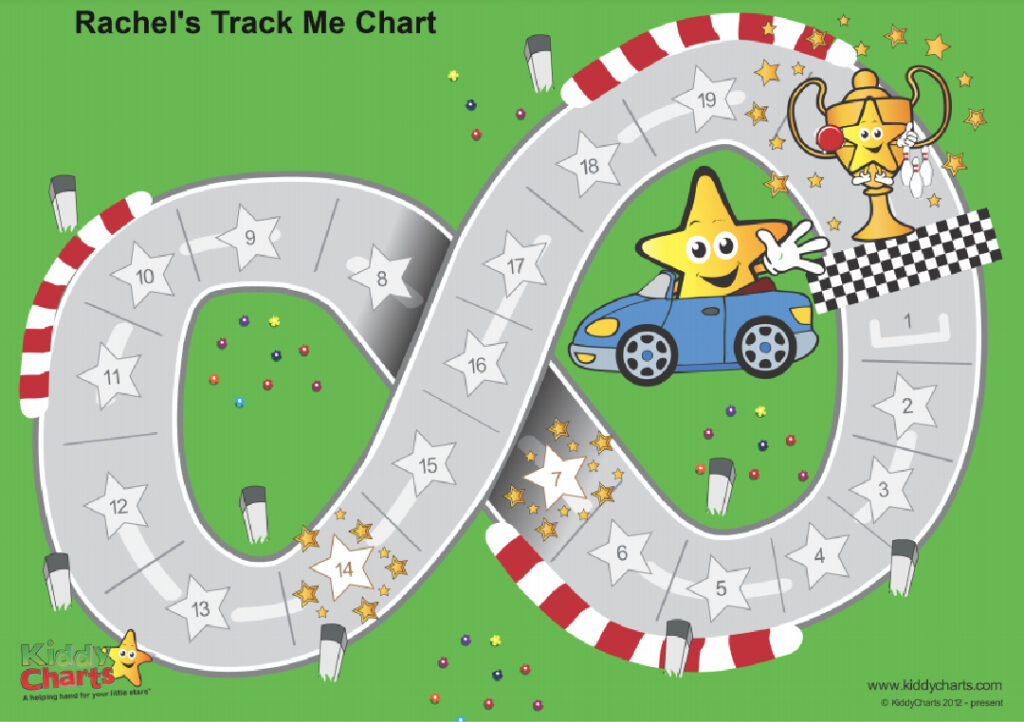
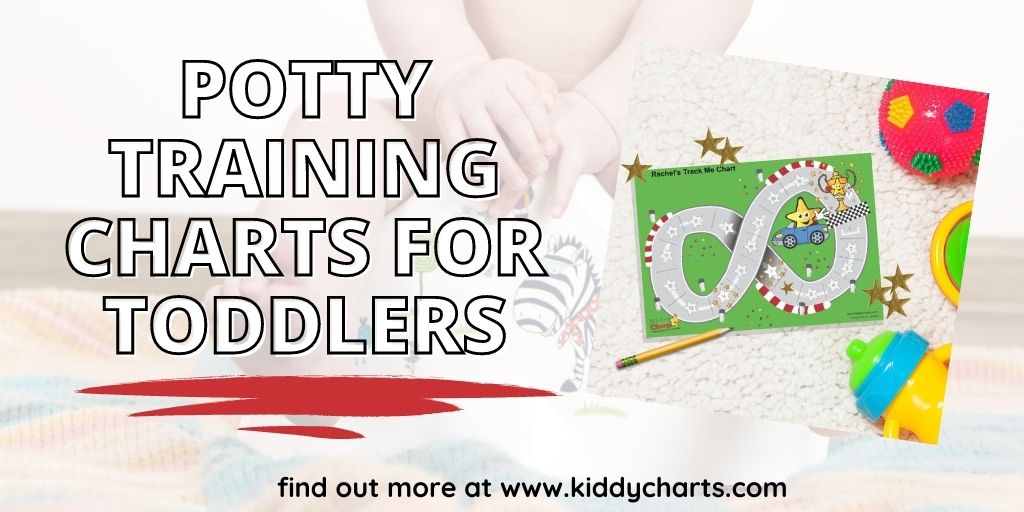
A potty training chart is a cute colorful chart that shows how many times your child has successfully used the toilet. We have a variety of potty training charts to choose from on the site, including printable potty training charts, and they work great for many children as a visual reward system and motivation.
My potty training reward charts have your child’s name and then a special gameboard with a space to mark every successful trip. Many potty charts are divided so that each chart may have one section for each successful potty use, where children can write, fill in, or add stickers to track their progress as they develop new skills and skills related to toileting. Potty training charts use positive reinforcement to encourage your child to use the potty regularly.
The whole idea is that you add a sticker each time your child uses the potty chart. You can add stickers or a smiley face to a circle on the chart to visually track progress, filling each circle as your child completes a step. After so many successful trips to the toilet, they can earn a small prize.
This makes going potty feel like a positive thing and this is a great way to make the potty training process much easier. Plus, it adds a bit of fun and playfulness to the sometimes stressful task of potty training.
How to download a free printable potty training chart
I have a handful of different rewards charts you can use to help your little one learn how to use the toilet. Allow you need to do is:
- Click this link
- Add your child’s name
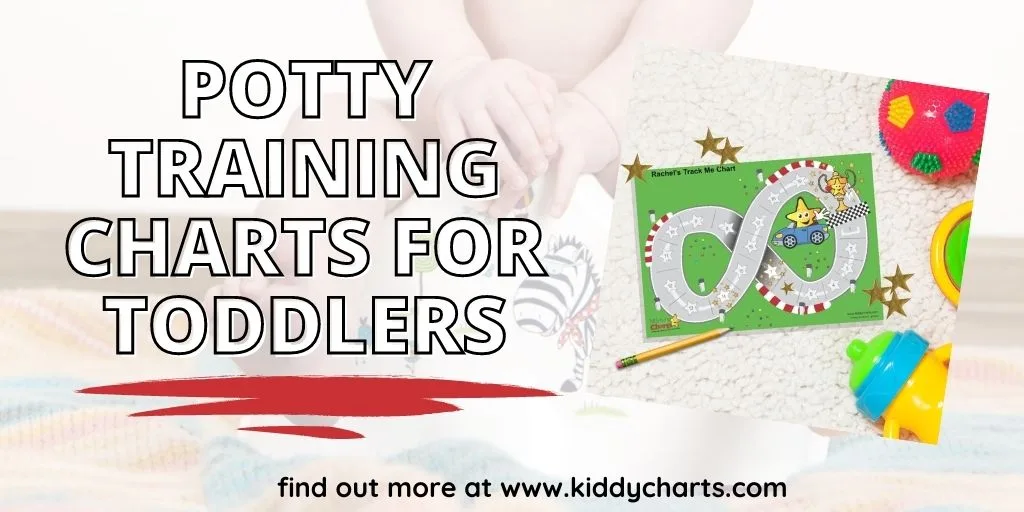
- Select a theme (the one above is “racing”)
- Choose a reward
- Generate your custom potty training chart.
Once you’ve customized your chart on your computer, you can print it out for immediate use.
How to use a potty training chart
When you are first starting with potty training, use your potty training chart to reward your child every time he tries to go to the potty. Filling the chart with stickers or a smiley face each time helps monitor your child’s progress and development, while also providing ongoing support and encouragement during the process.
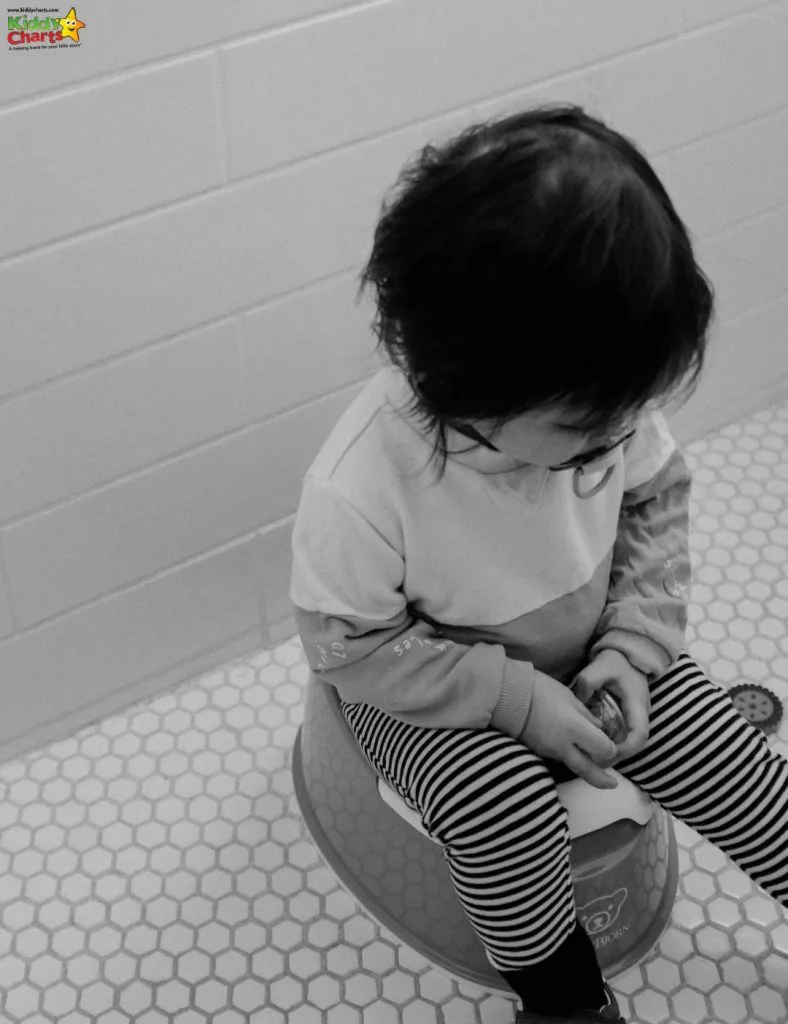
This is especially helpful if your child is fearful or reluctant to even sit on the potty. Sitting on the potty, even if they can’t get a single drop out, is one of the first behaviors you should reward when potty training.
Once your child will sit on the potty regularly without being upset or scared, it’s time to transition to only rewarding times your child makes it to the potty and goes potty in the toilet. After a certain number of stickers or smiley faces are added to the chart, your child can receive a reward. Some parents offer an extra incentive, like a small toy, when the chart is complete, to further motivate and celebrate their child’s achievements.
For some toddlers, they will get peeing in the potty down pretty quickly, but struggle with passing a bowel movement in the potty. You can transition your potty training chart once again so that they only get a sticker if they poop on the potty. Or they get a special sticker (like a raised, bubble sticker or a special glittery one) for pooping, that way you don’t accidentally stop praising peeing in the potty before it’s ingrained in your child.
How can a potty training chart help my child potty train?
A potty training chart helps toddlers learn how to use the toilet through positive reinforcement.
Using a chart is a great way to teach children the proper bathroom routines by guiding them through each step, such as going potty, wiping, flushing, and washing. Potty training charts also encourage learning by providing visual aids that help children understand and internalize new habits.
Positive reinforcement is when you focus your attention on a particular behavior you want your child to do, in this case using the potty. Encouraging words and actions, along with praise, are key to motivating your child and helping them feel supported.
As your child uses the chart, you can watch their progress grow and celebrate each achievement together. Positive reinforcement is a healthy method to help your child learn a new behavior as it motivates them to keep trying to potty. It also gives them a sense of pride and boosts their confidence.
How should I reward my child for potty training?
While trying to potty train your child, you need to use all types of positive reinforcement and never shame or punish them for having accidents. Positive touch, such as hugging or high-five-ing after your child uses the potty is the perfect way to increase your child’s confidence in using the bathroom. Family members can join in the celebration with praise or a big hug, making potty training fun for everyone.
Set up a reward system of external motivators to help your child experience the success of potty training. These incentives could include physical products like star stickers, a some Dollar Store toys, or a sweet treat, or they can be special activities like a trip to the playground or park. For many children, visual tools like reward charts and stickers make potty training fun and provide encouragement and structure.
My daughter came up with some great reward ideas that can be used with this pottery reward chart and beyond! You could also maybe use these Top 20 Inspirational Quotes from kids’ movies as pointers for DvD rewards too.
Another form of positive reinforcement could be a special potty dance party or some exciting clapping and cheers. Your toddler may be more sensitive, so be sure your potty training cheering is gentle and comforting. You do not want to overwhelm.
You can also tell your child that when they fill up their entire potty training chart they get a bigger reward like a new toy or a special treat, like an ice cream date with Mom and Dad. Reaching the ‘big kid’ stage, such as wearing big kid underwear, is a milestone for many children and can be a motivating goal during potty training.


At what age is a toddler supposed to be potty trained?
Toddlers will typically show signs of potty training readiness as young as 18 months, but some won’t be ready until 3 or 4 years old, according to an article by the Mayo Clinic.
Every child’s development is unique, so it’s important to recognize that progress in potty training can vary. Charts and routines can be tailored to your child’s interests and needs, helping to support their development and encourage positive habits.
Nearly all children are potty trained by 5 or 6 years old.
First, your toddler needs to show interest in potty training. They may do this by trying to take off their wet and dirty diapers, becoming interested in the potty, and wanting to go with adults when they use the toilet.
Typically they will also start saying words for peeing and pooping. These are likely to be variations of words you use to describe toileting.
One of the biggest indicators of readiness for potty training is when the child begins to hide to poop.
How often should I take my child to the potty while potty training?
Until your toddler feels the need to go to the bathroom, you will need to take them on a regular schedule.
Start by taking them to the potty every fifteen minutes and allow them to sit on the potty for a few minutes. If they do use the potty, praise them, but if they don’t still praise them for trying.
If your kid is as impatient as mine was, you will need a small selection of potty-time-only toys and books. These toys do not have to be new, but they do need to be placed in a small basket and only allowed to be played with when your child is sitting on the potty seat.
It can be helpful to have a potty training book to help your little girl or little boy learn and think about what this change means for them. Watching potty training videos or shows with your kid can also reinforce routines and make the process more engaging.
After a few days of taking your child to the bathroom every fifteen minutes, they should be able to increase the time between trips, especially if they have succeeded at peeing or pooping in the potty. Start slowly by adding five minutes between potty trips. If your child has more accidents, you need to take them to the potty more frequently.
If your child has an accident, it is better to not pay any attention to it other than cleaning it up and helping them change their clothes than to give them negative attention. I know that’s much harder than it sounds, but you can make it easier by keeping a towel and some spare pants and underwear handy.
You don’t want your child to inadvertently associate going pee or poop with shame as it will make it harder to potty train them.

Tips on potty training your child at night


Potty training a child to stay dry all night takes a combination of biological readiness and good parenting strategies. To support your child’s night-time potty training, consider placing a chart or visual reminder on the bathroom wall. Once your child has been staying dry during the day for a while and they are waking up dry more frequently, it is time to start getting your child potty trained at night.
1. Don’t allow anything to drink a few hours before bed.
If you don’t fill up the tank, there’s nothing to empty. If your child is used to drinking water before bed, it might be hard to break the habit. Start with a smaller timeframe and then grow from there.
2. Take them to the toilet just before going to sleep.
Make it a routine part of your bedtime routine that your child uses the toilet again just before tucking them in for the night. Even if they went before brushing their teeth and story time.

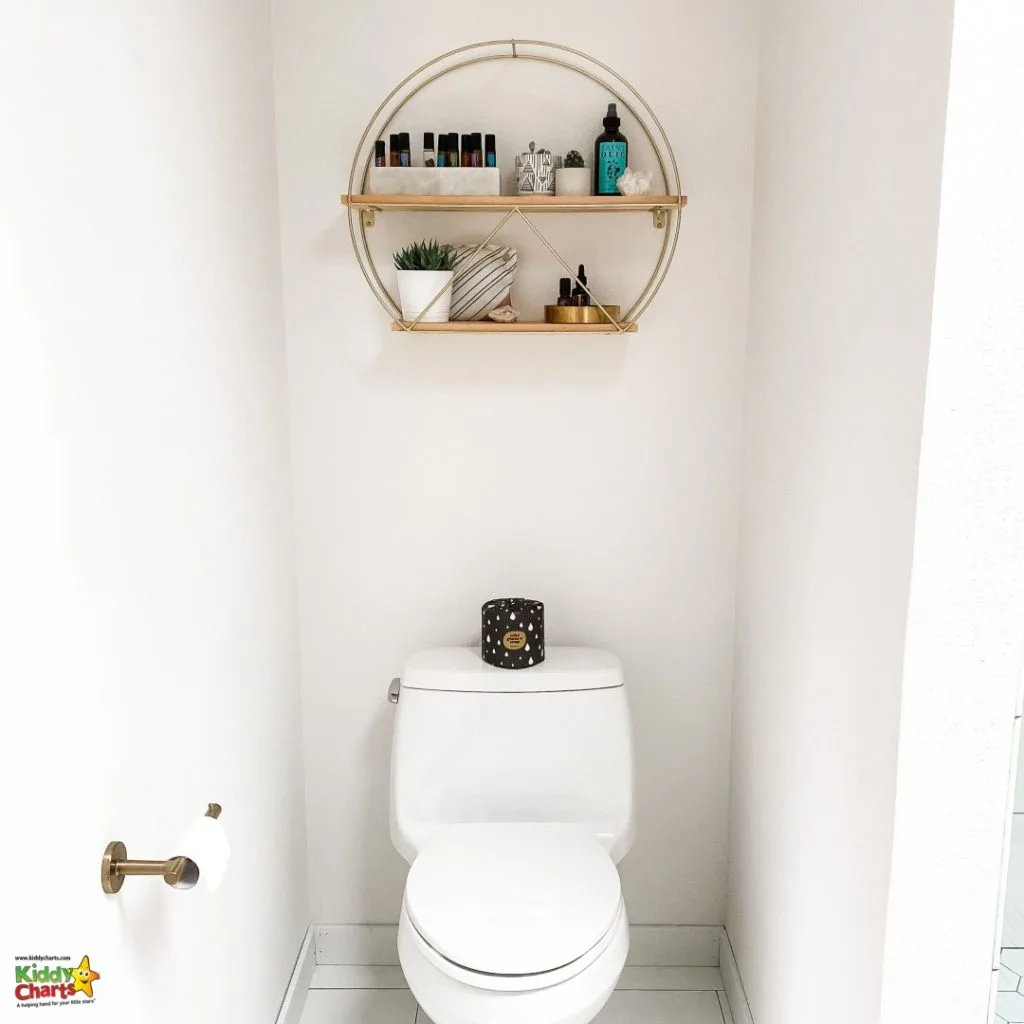
3. Take them to the bathroom in the middle of the night or just before you go to sleep.
You will want to wake up your child before bed and when you wake up in the middle of the night, so they can use the bathroom. I have led my kids to the potty many times when they were half asleep to help them stay dry. After a while, they will probably wake themselves up in the middle of the night to go to the bathroom.
4. Install night lights all the way to the bathroom
Sometimes children don’t get up at night to go potty because a dark, quiet house is scary. Dad snoring in the other room, the sounds of fans, and other household sounds that your child does not notice during the day, can all feel like potential threats to your toddler at nighttime. Installing nightlights and talking about the things you hear can help your child get up and go to the bathroom at night.
5. Praise them when they stay dry
Tell your child you are proud of them when they wake up dry in the morning. You can even use a potty training sticker chart and put a small sticker on it each morning when they wake up dry. Seeing how many times they woke up dry, will reinforce how great it is to wake up dry.

When your child wakes up wet, avoid showing any negative attention. For some children, staying dry at night can be extremely difficult, and bedwetting has even been shown to have a genetic component. It is seldom your child’s fault when he wakes up wet. After all, no one likes to sleep in a wet bed or in wet pyjamas. Consider adding a mattress pad or liner to make clean-up easy.
Successful potty training is a huge milestone for your child, but not one that comes easily.
Potty training can be frustrating for parents and children, from taking them to the potty multiple times a day to changing sheets in the middle of the night.
But with consistency and positive reinforcement, you will have a potty-trained toddler in no time and you will live in a diaper-free world.
Printable potty sticker charts for toddlers are a great tool to have in your potty training arsenal, along with rewards, praise, and consistency.
We do hope that you found this a useful resource; if so, feel free to sign up to our newsletter for more great advice and resources:
If you need more on Potty Training, do take a look at there too:
Potty training resources
All this talk of poo or potties means that perhaps we need to chat potty training now too!


Tips for potty training special needs children and starting nursery: From a mum who knows
Some ideas for potty training special needs children.


When to start potty training: Give them time
When is it wise to start all this potty training anyway?



10 easy tips for night-time potty training to help ditch nappies for good
Some ideas for night night potty training, and making it easier too.
You can check some of the other resources out as well beyond KiddyCharts too:
Potty training resources off site

Just a few pointers for people for when they start potty training, to help make things a little smoother.
Further help with working out if your child is read to potty train.

Making sure you have the rights thing in place within the house to help with potty training.
Thank you for reading, see you soon.
Helen
Helen Neale

Helen is a mum to two, social media consultant, website editor and a qualified counsellor with experience of working with both children and adults. She is a registered member of the British Association of Counselling and Psychotherapists, with her own private practise. She also freelances with her local Mind organisation. Since giving up being a business analyst when juggling travel, work and kids proved too complicated, she founded KiddyCharts so she could be with her kids, use those grey cells at the same time, and supplement her counselling income. KiddyCharts has reach of over 680k across socials and the site. The site works with big family brands to help promote their services, as well as offering free resources to parents of kids under 10. She is a specialist counsellor for neurodivergent individuals and brings this expertise to her resources and the site. She is also an ADHDer herself. KiddyCharts gives 51%+ profits to charities, focused on supporting mental health and a community in Tanzania Helen has also worked as a digital marketing consultant (IDM qualified) with various organisations, including Channel Mum, Truprint, Talk to Mums, and Micro Scooters. She loves to be creative in the brand campaigns she works on. Get in touch TODAY!