


Far too often, many adults still think of school recess and time in parks as secondary to the learning process. Sometimes it’s even considered tertiary: nice to have, but not really necessary. The reality is that the work kids do on the playground is as important, if not more important, than the work they do in class. Outside play, especially with equipment and in green spaces, actually prepares children for school. We are sharing the top five ways outdoor play helps your kids below.
This is a collaborative post.

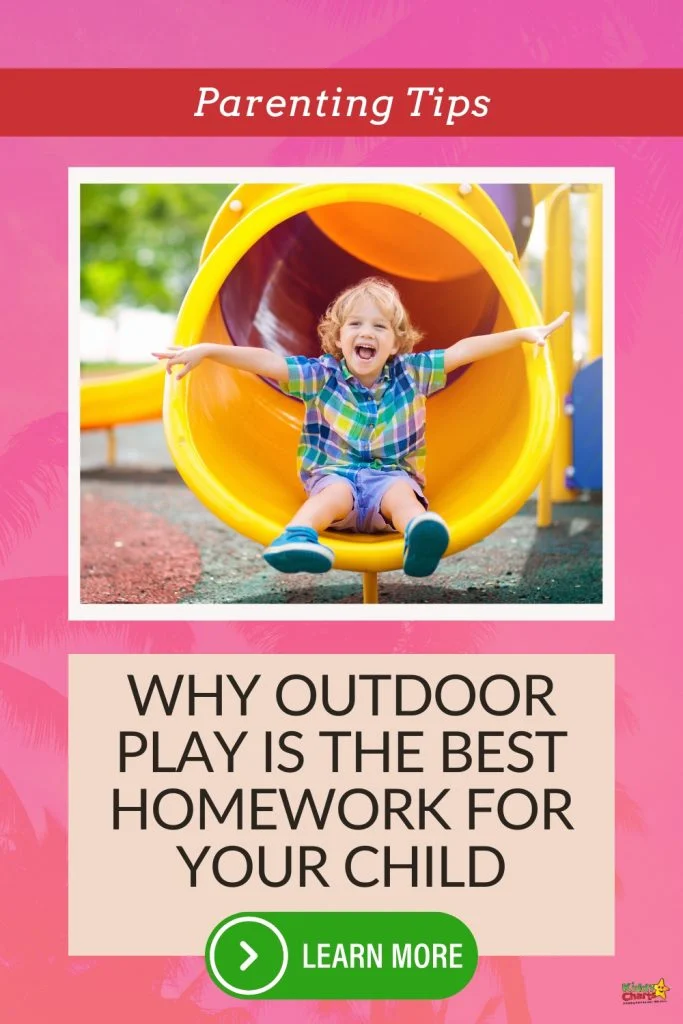
It promotes physical health
We think that you may have heard about rising obesity rates and skyrocketing diabetes diagnoses among citizens in the United States, and in some other countries too. Most people are aware that children are moving less, eating more unhealthy foods, and spending time behind devices and other screens. What most people don’t realise is that some of these health issues may be directly connected to other issues children face in school. Poor physical health can make it hard for kids to sleep, focus in class, and regulate.
In contrast, kids who spend hours each day playing outside benefit in numerous ways in the classroom. Because they’re running, jumping, and climbing on commercial playground equipment designed specifically for their needs, they expend extra energy. That exercise then helps them sleep better at night and can encourage them to eat healthier food; with a bit of summprt from parents and their community. The combination of movement, healthy food, and good sleep translates directly to performance and behaviour in the classroom.

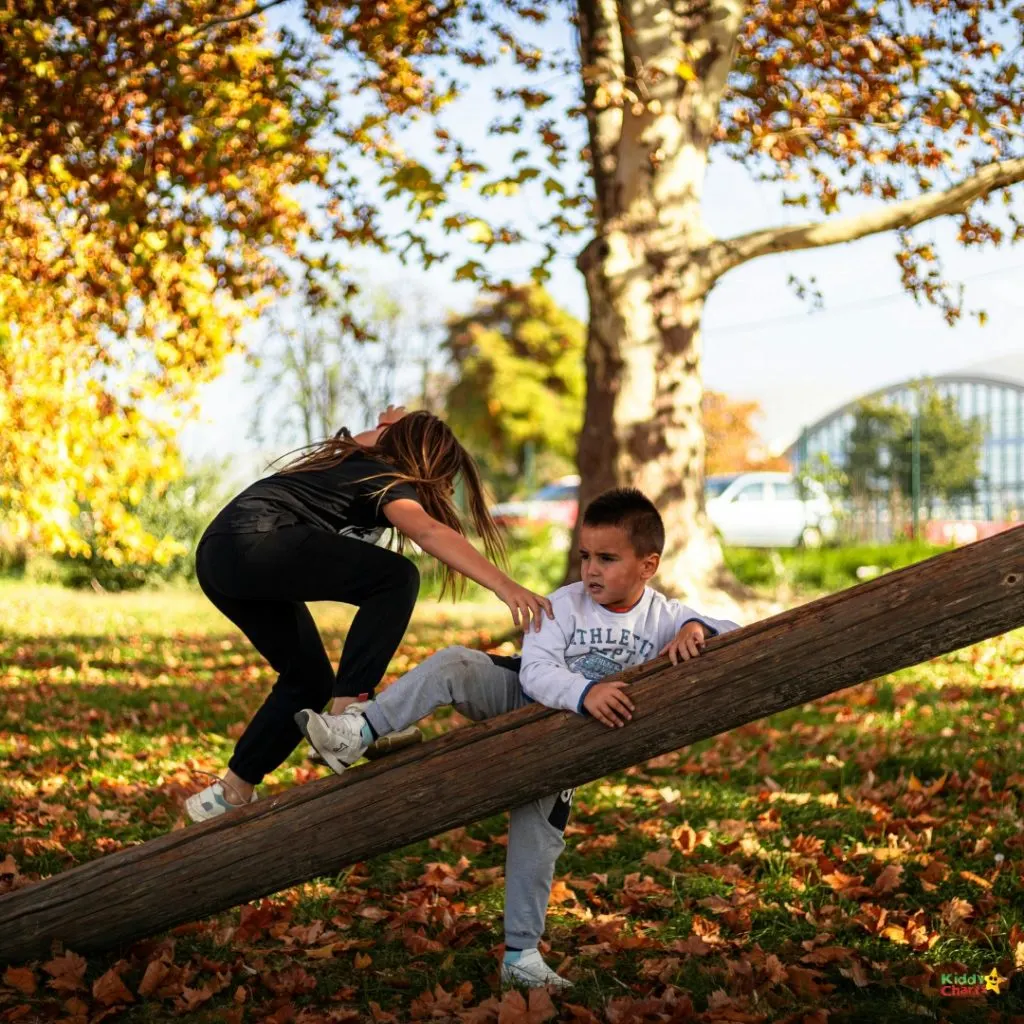
It promotes mental wellness
Beyond the physical benefits, children who get to play outside more see huge improvements in their mental wellness. Too many kids today are dealing with stress, anxiety, and depression both at home and at school. It’s difficult to manage those emotions and struggles on their own. Sadly, schools and even therapists’ offices can become overwhelmed due to being under-resourced. This may lead to even worse issues when mild problems are not addressed and treated promptly.
While the playground is not a catch-all or cure-all for every single mental health issue every kid is experiencing, it can be supportive. Outdoor play has been shown to alleviate anxiety simply through movement and fresh air. It can help calm overactive kids down and relieve stress for kids who feel a ton of pressure. The vitamin D kids get from the sun is also a mood elevator, so kids suffering from depressive episodes see improved outcomes. All of these positive shifts, of course, allow for a better learning experience at school.


It teaches independence
A critical element of learning, especially at a young age, is independence. Some kids may. not get to explore their independence. It can be tempting for teachers to watch help them in the classroom, and parents may also feel they will get things done faster if they do things themselves in the home, rather than let their kids has a go. As a result, some kids may graduate high school without some of the skills needed to care for themselves or make decisions on their own. This has led to the release of some studies on “the coddling of the American mind.”
Fortunately, parents and teachers alike can help kids gain more independence through free play on the playground. Outside, with other kids, and without instruction from an adult, kids have to think for themselves, collaborate, and communicate. In this setting, children get an opportunity to lead, to follow, and to learn the difference as they navigate taking turns and organising games. These skills can transfer to the classroom and, someday, to dorm rooms and board rooms.

It fosters creative thinking
On a related note, some children can struggle to think outside of the box and problem solve. Again, our children’s lives can feel quite curated and adults may be tempted to solve their problems and conflicts for them. When children have to come up with creative and imaginative solutions in their schoolwork, they find themselves at a loss. While reading is one way to help foster creative and imaginative thinking, outside play is another.
When kids have the chance to play freely during and after school for long periods of time, they get “bored.” This is a good thing. Kids who are bored come up with interesting ways to pass the time. They’ll make up games, form teams, and share responsibility. They also start engaging in social awareness, holding each other accountable for their actions, and raising expectations. These qualities are helpful in the classroom for kids to overcome rote memorization and further develop their learning.

It enhances emotional intelligence
Finally, many children still struggle with empathy and emotional intelligence even at older ages. They aren’t clear on the appropriate things to say at the right time, or they fail to help their classmates in need. It’s a normal outcome for kids who don’t get a lot of free play time to negotiate with other children.
This is another area where reading can absolutely help kids build their empathy and emotional intelligence. But outdoor free play is right up there with it. When kids hit the playground and run wild, they naturally get hurt, physically or emotionally. This is a wonderful opportunity for other kids to help, to step in, and to stand up for the vulnerable. And every time a child faces natural consequences, they learn to relate to others. These lessons help shape their understanding of empathy supporting sharing, relating to other’s feelings, and performing across subjects in the classroom.
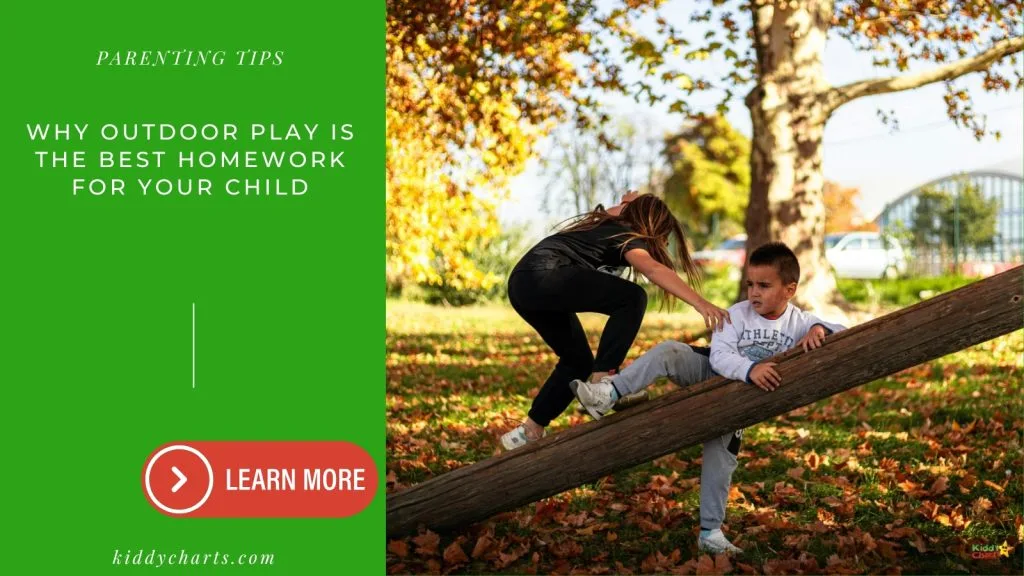
There are so many reasons why outdoor play is the best homework your child can do. This list barely scratches the surface. It’s in everyone’s best interest to help kids get outside more, jumping, running, climbing, and playing with other kids. Unstructured play like this teaches lifelong lessons that help make kids better learners, better friends, and better humans. Playgrounds are one of the great contributions to humanity, starting with kids.

If you would like more ideas on outdoor play, do check out these articles:
Outdoors ideas for kids
Here are a few more ideas to get you out and about with the kids...!


Forest school activities: How to reconnect YOUR kids with nature
Get connected to nature with some ideas for forest school activities.


Forest school activities for all seasons
A couple of excellent thoughts for outdoor activities whatever the seasons.

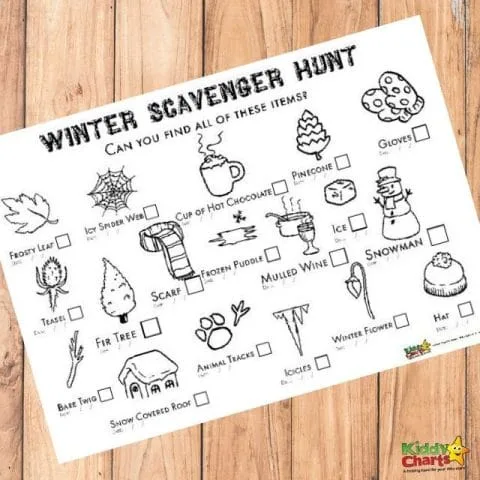
Winter scavenger hunt: And you can colour it in too!
A scavenger hunt perfect for winter.


How to go on a bug hunt
Go on a bug hunt in the garden with the kids.
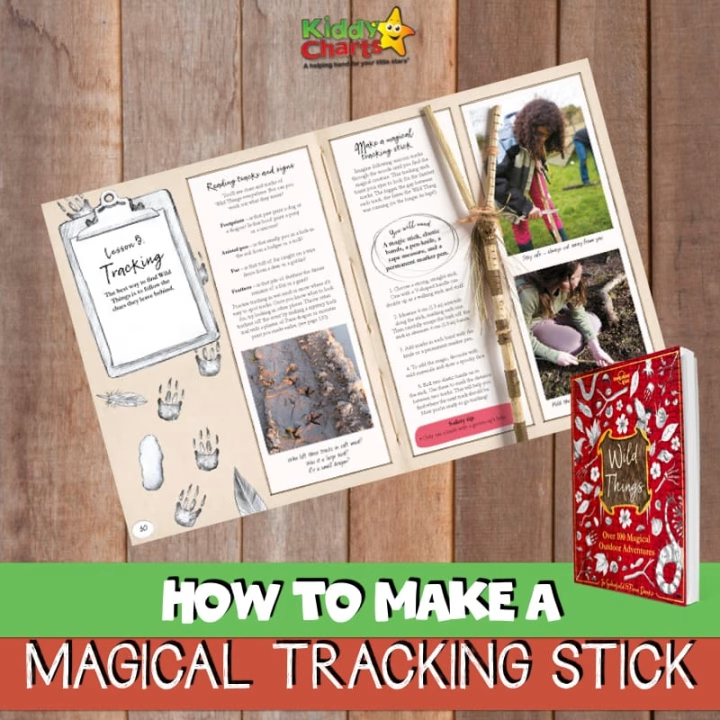
How to make a magical tracking stick to look for the wild things in your garden
Make a magical tracking stick with the kids.
We have other suggestions offsite too:
Take a look at these wonderful ideas to get the kids outdoors from around the web.



50 Simple Outdoor Activities For Kids
This list of 50 outdoor activities for kids is bound to give you some great activites your kids will definitely enjoy!
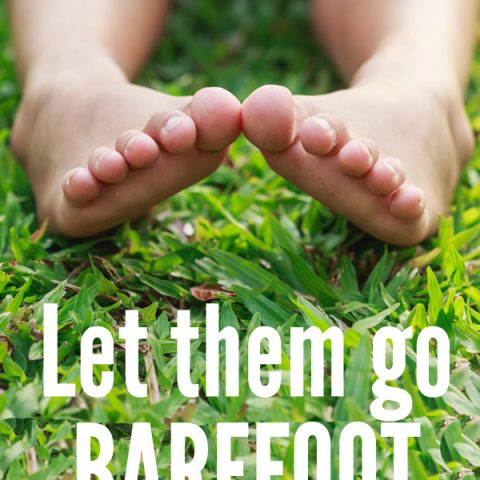

Let Them Go Barefoot and 6 Other “Rules” for Play
Childhood101 brings us some wonderful "rules" to enforce for your kids to make the most of being outdoors.
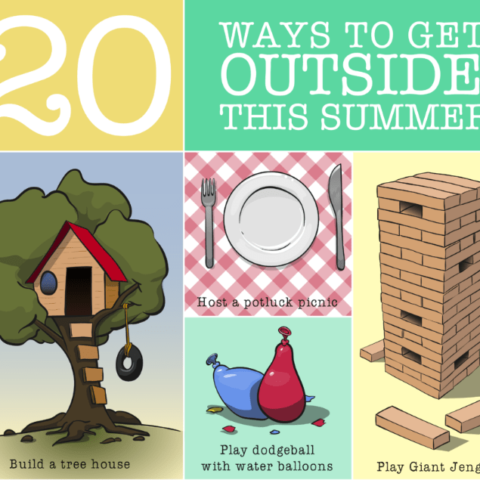

Fun Outdoor Activities for Families
You don't have to travel far or spend a lot of money to enjoy the outdoors. Check out these fun outdoor activities for families.
Thanks for coming to visit us today, and I do hope that you will come back again soon.
Helen

Helen Neale

Helen is a mum to two, social media consultant, website editor and a qualified counsellor with experience of working with both children and adults. She is a registered member of the British Association of Counselling and Psychotherapists, with her own private practise. She also freelances with her local Mind organisation. Since giving up being a business analyst when juggling travel, work and kids proved too complicated, she founded KiddyCharts so she could be with her kids, use those grey cells at the same time, and supplement her counselling income. KiddyCharts has reach of over 680k across socials and the site. The site works with big family brands to help promote their services, as well as offering free resources to parents of kids under 10. She is a specialist counsellor for neurodivergent individuals and brings this expertise to her resources and the site. She is also an ADHDer herself. KiddyCharts gives 51%+ profits to charities, focused on supporting mental health and a community in Tanzania Helen has also worked as a digital marketing consultant (IDM qualified) with various organisations, including Channel Mum, Truprint, Talk to Mums, and Micro Scooters. She loves to be creative in the brand campaigns she works on. Get in touch TODAY!