

Swimming is not just a fun activity. It is a must-have life skill for both adults and kids as well. From childhood, swimming serves as a pillar for fitness, safety, and confidence. Whether it is starting with playful splashes in a garden paddling pool or structured lessons, introducing swimming is a must. We have always seen it as a life skill, rather like driving, so something that we were keen to encourage our kids to do as soon as possible.
Perhaps you have heard of the phrase: time and tide wait for no man? We felt that this mean that the sooner they start, the stronger they will be in future. They can easily overcome fear, gain independence and build self-confidence when they are younger potentially. For parents, joining your children in swimming lessons is a “splashy” choice to help make them confident too.
This is a collaborative post.

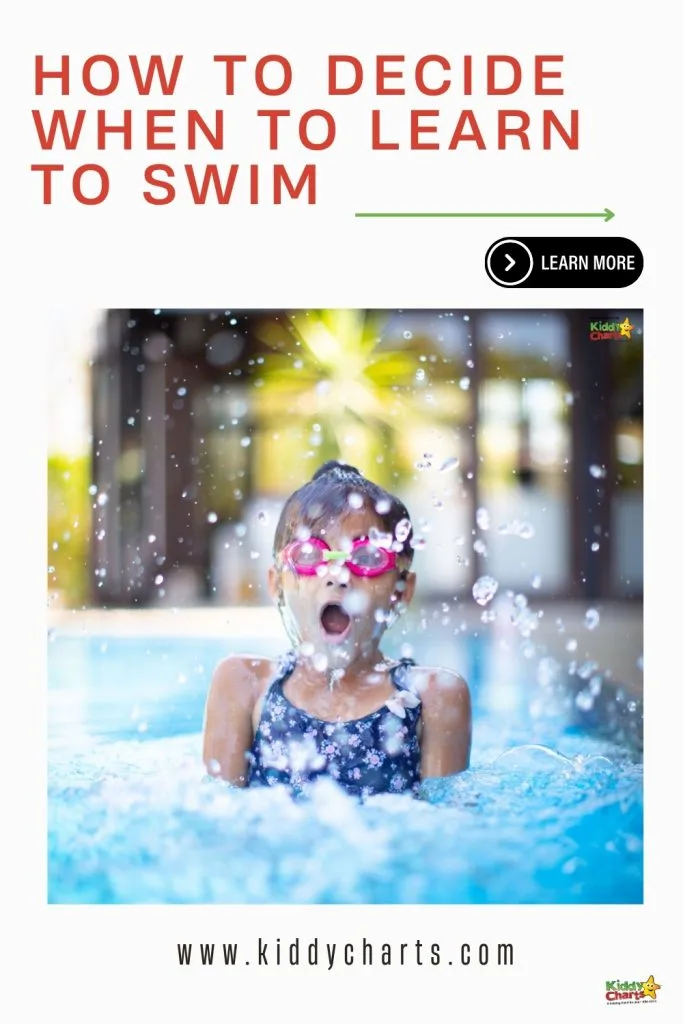
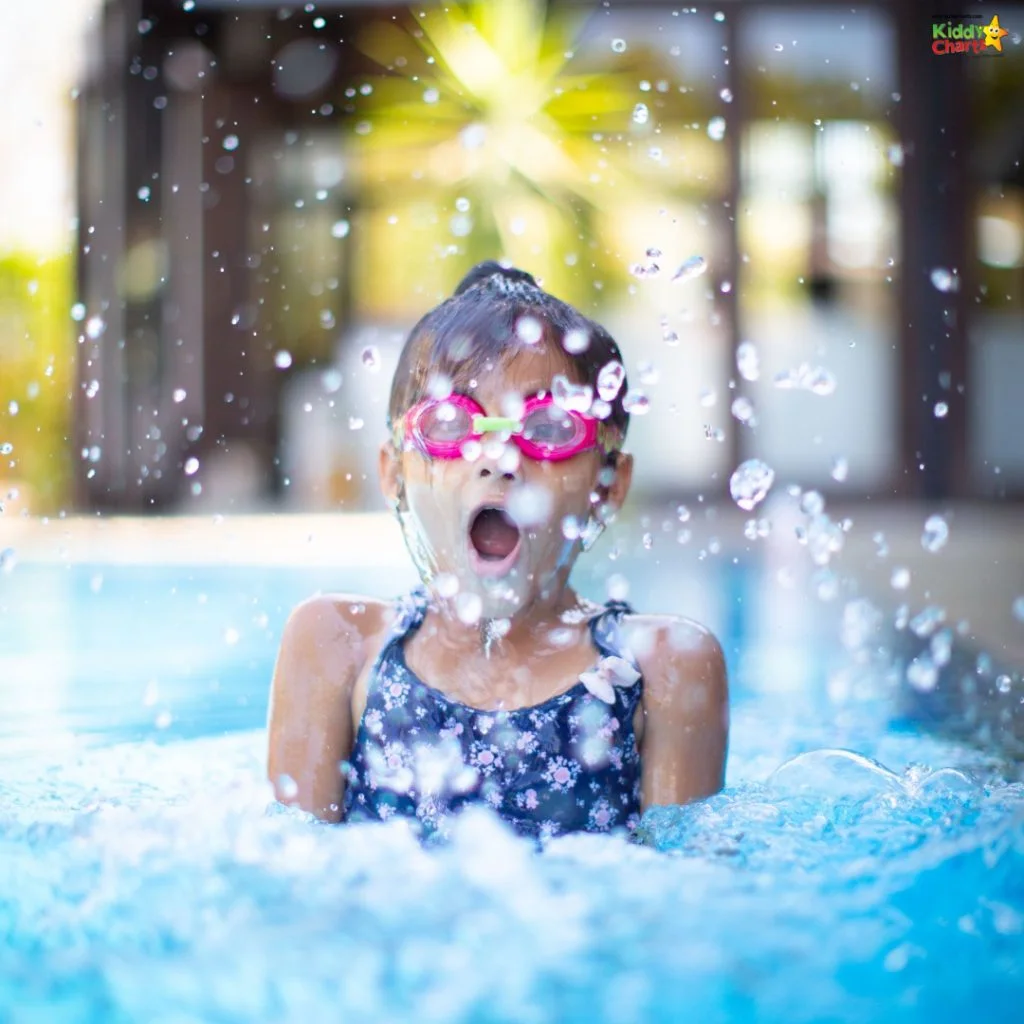
As always, we acknowledge that neurodivergence and sensory differences can make learning to swim hard. We experienced difficulties with water at an early age when teaching out kids, and its important to go at your child’s pace acknowledging their differences if needed. Autonomy is important in our childhood, and swimming is no different. Do what feels right for your family first and foremost.
If you do decide that learning to swim works for you, it not only strengthens the body but can revitalise energy, enhance overall health, and build resilience. Sometimes parents might be afraid due to their own fears about water. However, with the right guidance and positive experiences, children can enrol in swimming with confidence, joy, and safety from a young age.
Why learn to swim early?
Swimming is more than fun and excitement. Unfortunately, drowning is a leading cause of accidental death in children, so parents do have reason for their fears. As a result, supervised early swimming lessons reduce the risks. At the same time, kids can develop lifelong skills that extend far beyond water safety:
- Able to build strength and coordination via full-body exercise,
- Boosts confidence and independence in new skills,
- Encourage social interaction and teamwork, and
- Promotes overall health by aiding good heart health and burning calories.
Our own experiences included county level swimming which were a significant boost to our children’s confidence levels.

When can you start?
There is no age limit for learning to swim. Your kids may start their lessons from early childhood. It includes the best approach based on their stage of development, readiness, and comfort level.
Babies (Around 6 Months and Up)
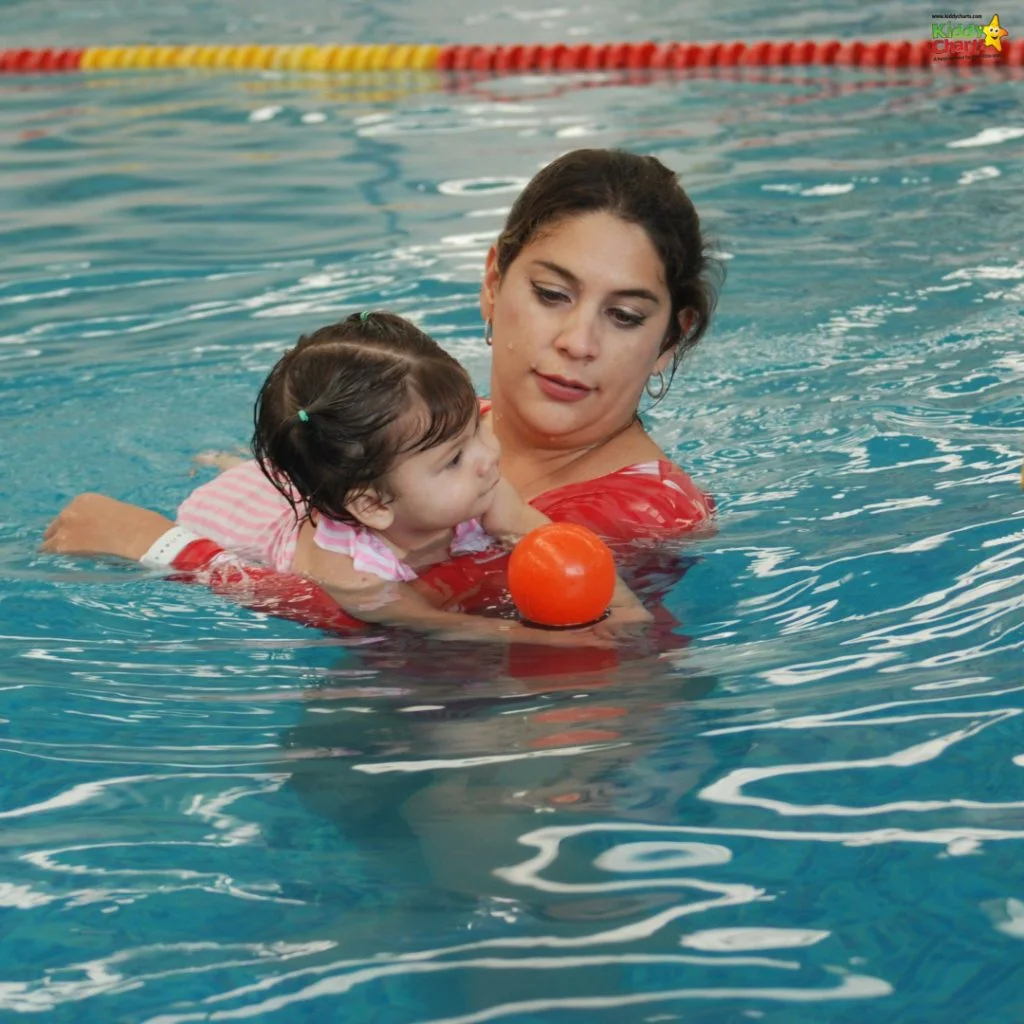
During this age, it is not learning about swimming but it takes only water play, comfort and creating bonding with you. They can able to sing songs, blow bubbles, and gently splash. Some parents like baby swim lessons and have a peaceful and actual swimming lesson.
Toddlers (1–3 Years)
Toddlers can enrol in basic water skills, including kicking, floating with support, and blowing bubbles. Of course, their natural curiosity makes water play exciting, and these activities help build early confidence and comfort.
Preschoolers (3–4 Years)
This is the right age for learning structured lessons. Kids can learn the simple techniques like floating carefully, gliding, and practising coordinated hands and leg movements. Kids may develop their self-confidence in the water, and that sense of achievement to feel they are more capable of swimming.
School-age children (4 Years and Older)
At this age, kids are ready to learn real swimming strokes, able to control breathing, and build endurance. Kids may have the confidence to learn swimming in deeper water. This well enable them to refine skills and develop the confidence needed to swim safely on their own.

When should your child start swim lessons?
Most parents struggle with about right time to begin the swimming lessons for the child. Every child is different of course.
Perhaps you can look for the clues that your little one can start to swim in the water. Some of the signs you can know whether your child might be suitable to learn to swim are:
- Children find it happy to splash water in a paddling pool, with the readiness of each child differing,
- Ability to follow the swimming instructions, like kicking legs as well as blowing bubbles
- Curiosity takes over from the fear of the water: a healthy amount of fear is no bad thing, as it means they are likely to take more care, and
- Your children find it comfortable within the water: the is particularly important for those that may have sensory needs.
Some children would be unsure about swimming. You can encourage them to play water activities at home. It increases the level of confidence in them, so they might be ready to try at a pool later. In addition, if there are a lot of other demands in their life, like school, or homework, perhaps swimming is too much. It m ight be easier to try when you are on holiday together, and other demands are reduced.
How to make swim training fun
Everyone loves to make the swimming experience fun instead of scary. Check out some of the methods you can follow to keep the sessions fun:
- Accessing a shallow pool is the best way to enter the swimming lessons in the right frame of mind: don’t go all in at the deep end
- Toys: Bringing some toys with you, such as floating ducks, along with colourful balls, which can make the water time enjoyable,
- Enjoy the calmness: It helps if parents can be calm and composed. Staying calm under any situation can help to make your children feel safer. Gentle encouragement, and confidence in your children goes a long way, and finally
- Making swimming more fun: Play games as you swim to make the splashing about more entertaining.
If possible, you can try and pick swimming classes which focus on getting the kids comfortable with water instead of more formal swimming instruction.

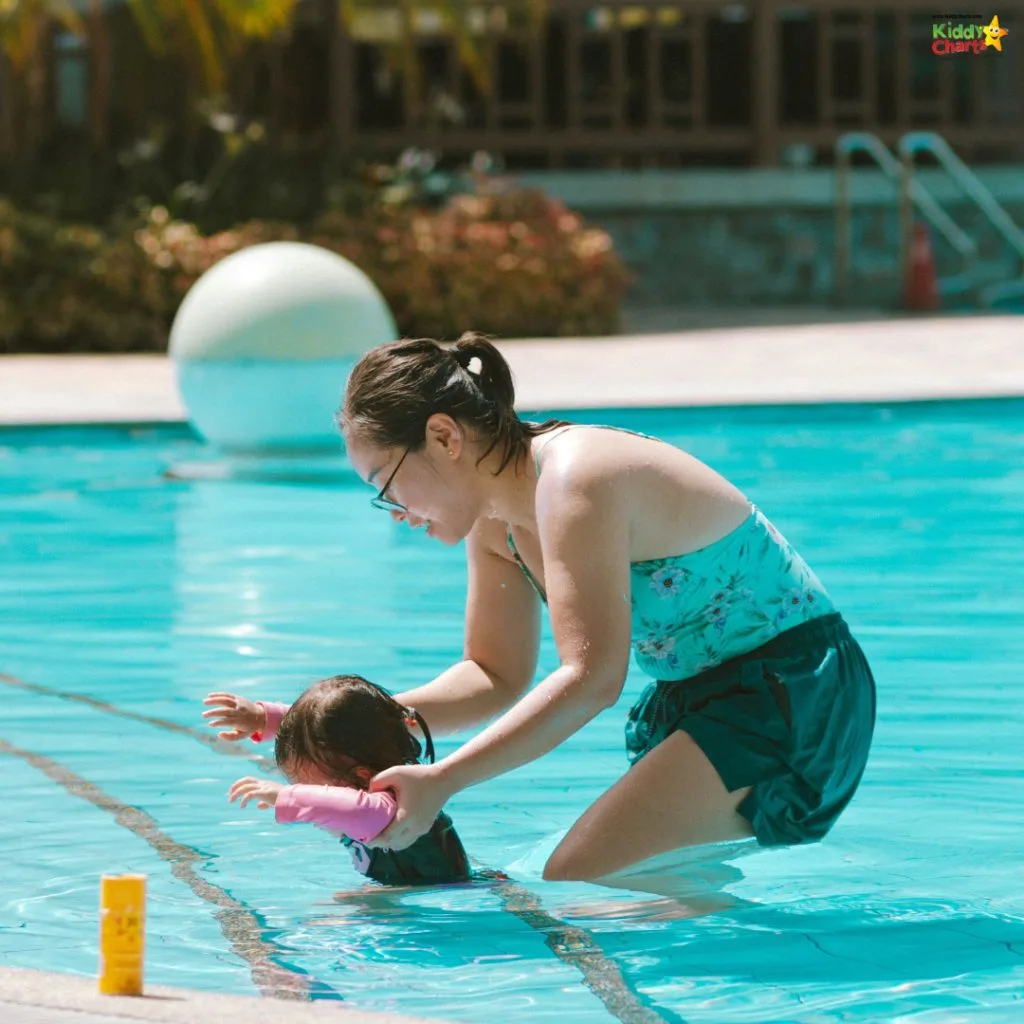
How to get rid of fear?
Fear of water is common in some children, so they would hesitate when coming near a swimming pool. For these kids, it is important to:
- Let the children take it slower with one small step at a time,
- You can make them watch other kids having splash fun,
- Make sure to be closer to them to provide more reassurance, and
- Celebrate the little wins, such as dipping toes in or using hands in the water.
Building confidence in the swimming pool lessons would be a better way. Encourage the kids to improve their progress with your encouragement

How to find the best swimming lessons for you
Here are some thoughts around swim lessons:
- Look for the swimming classes during your leisure time,
- Make sure to join the small groups with qualified instruction,
- Check for the child-friendly pools in all conditions, winter or summer,
- Make sure to focus on fun with that added thought of safety during the lessons
- Parents to be involved during the swimming lessons with younger children of course.

Everyone is different so go with your child’s swim flow
Do you think your child can start the swimming lessons? Some kids will be ready to splash even from their babyhood. Some kids would take from 3 to 4 years age. Make sure to create a safe experience for your kids in the water.
Some kids would instantly learn basic water survival skills, such as floating. Structured lessons can help your kids gain more swimming skills in a more formal environment. If you do go the lesson rout, it helps to be enthusiastic about upcoming lessons to create a positive association for your kids with the activity. If you can have a thoughtful approach to your swim lessons, it will help to be a strong foundation for kids and their relationship with swimming and water.
We hope you like this article – why not check out some of the other watery ideas on KiddyCharts?
More boat and water ideas from KiddyCharts
Here are some more boat and water ideas from KiddyCharts - we hope you like them!


How to make bottle cap sail crafts
These are gorgeous sail boats too - why not make them at the same time and take them out together!
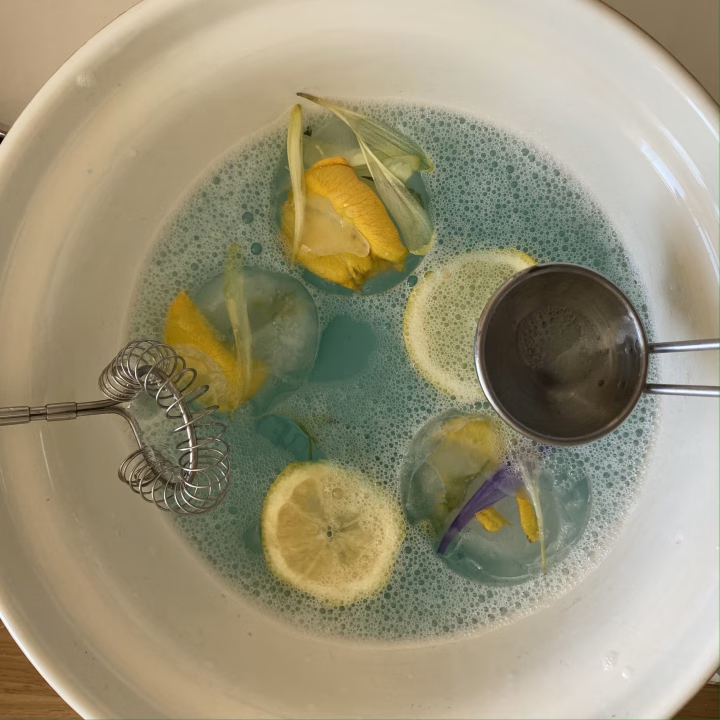
Flower sensory play sensory soup activity #31daysofactivities
If you are after a bit of water sensory play - this sensory soup idea is awesome.


Under the sea battleship craft
A fun battleship game you can make yourself. A great idea for the kids, made by a teen too!


Boat colouring printable
Some colouring that is simple, easy and fun to do with the kids. A sail boat that they can design themselves.
Thanks for coming to see us, come back soon.
Helen

Helen Neale

Helen is a mum to two, social media consultant, website editor and a qualified counsellor with experience of working with both children and adults. She is a registered member of the British Association of Counselling and Psychotherapists, with her own private practise. She also freelances with her local Mind organisation. Since giving up being a business analyst when juggling travel, work and kids proved too complicated, she founded KiddyCharts so she could be with her kids, use those grey cells at the same time, and supplement her counselling income. KiddyCharts has reach of over 680k across socials and the site. The site works with big family brands to help promote their services, as well as offering free resources to parents of kids under 10. She is a specialist counsellor for neurodivergent individuals and brings this expertise to her resources and the site. She is also an ADHDer herself. KiddyCharts gives 51%+ profits to charities, focused on supporting mental health and a community in Tanzania Helen has also worked as a digital marketing consultant (IDM qualified) with various organisations, including Channel Mum, Truprint, Talk to Mums, and Micro Scooters. She loves to be creative in the brand campaigns she works on. Get in touch TODAY!