
When it comes to mastering maths, practice makes perfect. Small, regular maths-based activities in the home can help your child understand the topic and keep up with their class. Here, we’ll take you through 10 simple ways you can help your child with maths from home.
This is a collaborative post.
Why little and often works for Maths at home
Maths learning can feel daunting, which is why it’s vital to practice little and often. Instead of sitting your child down for long, exhausting lessons, which start to feel like a chore, give them daily bite-sized maths activities for kids to keep them continually learning without burning them out.
Keep it short, positive and part of normal routines
Learning maths feels less challenging when it’s part of your child’s daily routines. By bringing it into activities like brushing their teeth (counting seconds), grocery shopping (adding money) or making (measuring ingredients), you can make it feel like a normal and essential part of life. If your child then needs more support, online math tutoring for kids can help them – and tutors will continue to relate maths to real life.

Everyday ways to help your child with Maths (Ways 1–4)
The easiest way to start building math learning into your child’s day is by adding it into their existing routines.
1. Count and compare during daily routines
Counting and comparing items is a great way to build math into your child’s daily life. From counting out snacks like pieces of fruit to counting toys, your child has real, tangible objects to link to the concept of addition.
2. Let them handle money and shopping
If your kid loves to join you on the weekly shop, use it as a learning opportunity. Ask them to tally up the price of your shopping as you go (they can round up or down if easier), and let them count out the cash at the till. This not only reinforces maths skills, but also teaches them a vital life skill.
3. Measure and weigh while cooking
Cooking together is a way to spend quality time with your child and reinforce their learning. As you cook ingredients for dinner, get them to weigh them out with you and help them understand how it impacts the recipe.
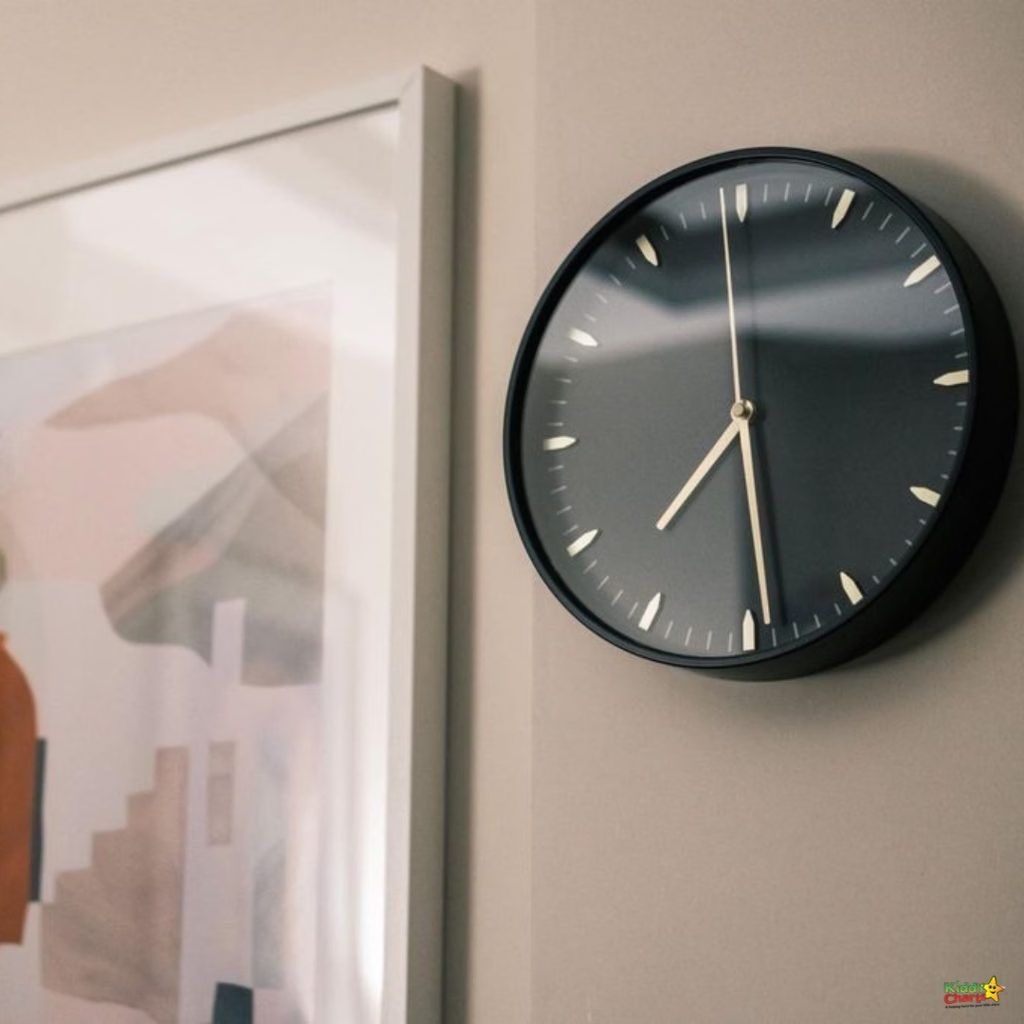
4. Practise time with clocks and timetables
Time-telling is a key skill reliant on math. Get your kid used to reading and telling the time throughout the day, and help them relate it to activities like their class times or football practice.
Make Maths fun with games and puzzles (Ways 5–7)
Once you’ve cemented math in daily activities, you can start to add in more fun activities, puzzles and games. If you’re looking for how to make maths fun, look no further.
5. Play maths games for kids (cards, dice, board games)
What child doesn’t love games? And they may not realise some of their favourite games are reliant on math. Card games, games that involve rolling dice and board games like Monopoly all build math skills without your child even realising.
6. Spot patterns and solve puzzles together
Patterns and puzzles help build mathematical thinking skills, so implement activities that include both of these areas. Pattern spotting could be as simple as working out how frequent a bus service is from the timetable or playing puzzle games like sudoku.
7. Try quick mental maths challenges in the car or at the table
Adding in short, snappy mental maths challenges while kids have free time in the car or before dinner is a fun but effective way to build math skills. Ask them to quickly add up the number of forks at the table or count the cars you pass. These quick activities can compliment more structured learning like online math classes for kids.

Build Confidence and Keep the Habit Going (Ways 8–10)
Finally, let’s look at ways you can build strong habits that will last a lifetime and ensure your child always approaches math with confidence.
8. Talk through how they solved a problem
Kids often learn maths skills through rote memorisation, which means they can usually get to the answer, but they don’t always know how. Ensure your child has computational skills by talking through how they came to the answer of a problem. Get them to show their workings out or take you through them step by step.
9. Praise effort and mistakes as part of learning
Positive reinforcement is important to help your child with their self-esteem – but it’s important to praise both successes and efforts. It’s natural for kids to make mistakes (in fact, it’s how they learn!), so be sure to let them know that it’s OK.
10. Set a daily 10-minute slot and celebrate progress with a simple reward chart
We can’t stress enough that short, daily practice is much better than long, laborious sessions. We recommend setting a daily 10-minute slot for your child to practise maths, and you can keep track of their progress with a simple reward chart. This helps them see how far they’ve come and rewards their efforts.
When extra help makes sense
Daily practice will help children with their maths skills. But if you notice that, despite continuous learning, your child is still struggling, it may be worth considering additional support.
Signs a child may be struggling: Avoidance, low confidence, and sometimes falling behind
Your child may be struggling if they:
- Avoid math activities, like homework or fun puzzles
- Talk negatively about the subject, or their performance in it
- Are falling behind the rest of their class
- Goes quiet when you ask them about maths

Support options: School, teachers, and one-to-one help
There are some support options you can explore to help ensure your child keeps up with the class:
- Enquire about additional activities like school, like homework clubs or after-school catch-up sessions
- Speak to your child’s teacher to find out what they’re struggling with and where they may need extra support at home
- Enlist the support of a qualified online math tutor, who will work one-to-one with your child on their problem areas
Nurture a Maths superstar
Maths may appear to be a daunting subject on the surface, but it doesn’t have to be. Regular practice – both in the form of prioritising daily routines that incorporate maths and in maths-focused puzzles and games – can ensure your child stays knowledgeable and confident. Start small and don’t overwhelm your child to ensure they continue learning without burning out.
We hope that you have enjoyed reading these ideas: if you would like to check out some of the other Maths resources we have on KiddyCharts, do take a look here:
Coding and Maths articles on KiddyCharts
Here are more of the articles from KiddyCharts that are focused on supporting kids with their coding and Maths learning goals.
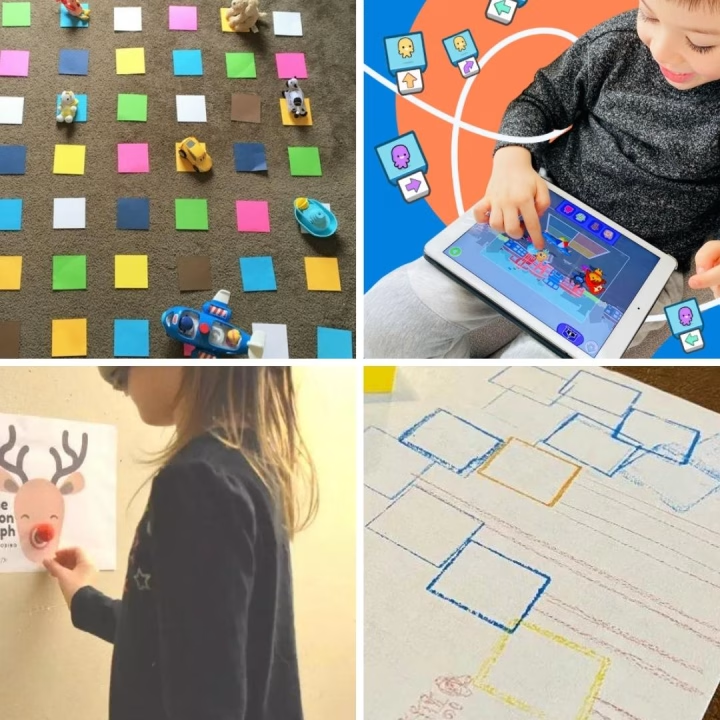
10+ coding activities for kids
10+ great coding activities for kids to help them even more with the coding, and to prove to you some of the reasons why its great to learn as well!


Unicorn themed maths worksheets
Maths activities with a bit of a Unicorn theme, for all those that love these magical creatures.


Free maths angles worksheets and summer courses from Atom Learning
Atom Learning has provided us with some great Maths angle worksheets for the kids to get stuck into.
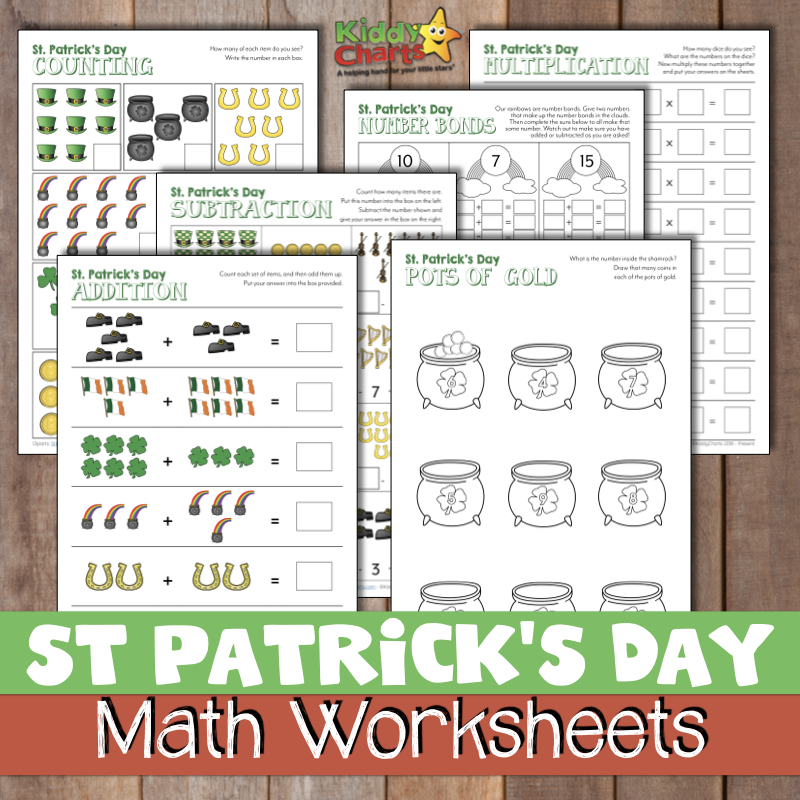

Free St Patricks Day Activities: Math Workbook
If it is St Patricks Day - we've got a whole Maths workbook for you, but its so much fun, you can do it anytime of year if you love green! 😂


Free Ladybird printable math worksheets
Love Ladybirds? Then get stuck in with these fabulous activities!
And some other dieas beyond the site too:
Maths related content from the web
Check out even more useful maths content from the web


Do come back and see us again soon, or even better, sign up to our newsletter for loads of fun and ideas.
Take care,
Helen
Helen Neale

Helen is a mum to two, social media consultant, website editor and a qualified counsellor with experience of working with both children and adults. She is a registered member of the British Association of Counselling and Psychotherapists, with her own private practise. She also freelances with her local Mind organisation. Since giving up being a business analyst when juggling travel, work and kids proved too complicated, she founded KiddyCharts so she could be with her kids, use those grey cells at the same time, and supplement her counselling income. KiddyCharts has reach of over 680k across socials and the site. The site works with big family brands to help promote their services, as well as offering free resources to parents of kids under 10. She is a specialist counsellor for neurodivergent individuals and brings this expertise to her resources and the site. She is also an ADHDer herself. KiddyCharts gives 51%+ profits to charities, focused on supporting mental health and a community in Tanzania Helen has also worked as a digital marketing consultant (IDM qualified) with various organisations, including Channel Mum, Truprint, Talk to Mums, and Micro Scooters. She loves to be creative in the brand campaigns she works on. Get in touch TODAY!