
If you are scrolling this on a rare quiet moment, wondering whether it is too soon, or indeed too late, to try a belly band, you are asking exactly the right question. Knowing when to start wearing a belly band is less about hitting a magic week on the calendar and more about how your bump, your back, and your everyday routine feel right now.
A maternity belly band gently lifts and supports your growing bump, easing pressure on your lower back, pelvis, and hips during the activities that usually trigger discomfort. When you are ready to compare options, the Momcozy pregnancy belly band collection includes several adjustable styles for different bump shapes and stages, from light everyday support to stronger lift for twin or multiple pregnancies.
This guide walks through trimester-by-trimester timing, everyday wear habits, and how pregnancy belts differ from postpartum wraps, so you can decide what suits your body without second-guessing every choice. It is not a substitute for rest, good posture, or advice from your midwife or GP but for many mums-to-be a belly band becomes a practical comfort tool once the second trimester arrives.
This is a collaborative post.
What does a belly band actually do?
Think of a pregnancy belly band as external support for your abdomen and lower back. Rather than squeezing your bump, it lifts it slightly and helps redistribute weight. That can mean less strain when you stand, walk, commute, or chase a toddler around the park.
Common reasons mums reach for one include:
- Lower back ache or a heavy, pulling feeling at the front of the bump
- Pressure around the pelvis or hips after long days on your feet
- Wanting extra confidence during gentle walks or prenatal exercise
- Needing a reminder to stand tall instead of leaning back to balance
Belly bands are designed for support, not compression. That distinction matters: you should never feel squeezed, short of breath, or numb while wearing one.
When should you start wearing a belly band?
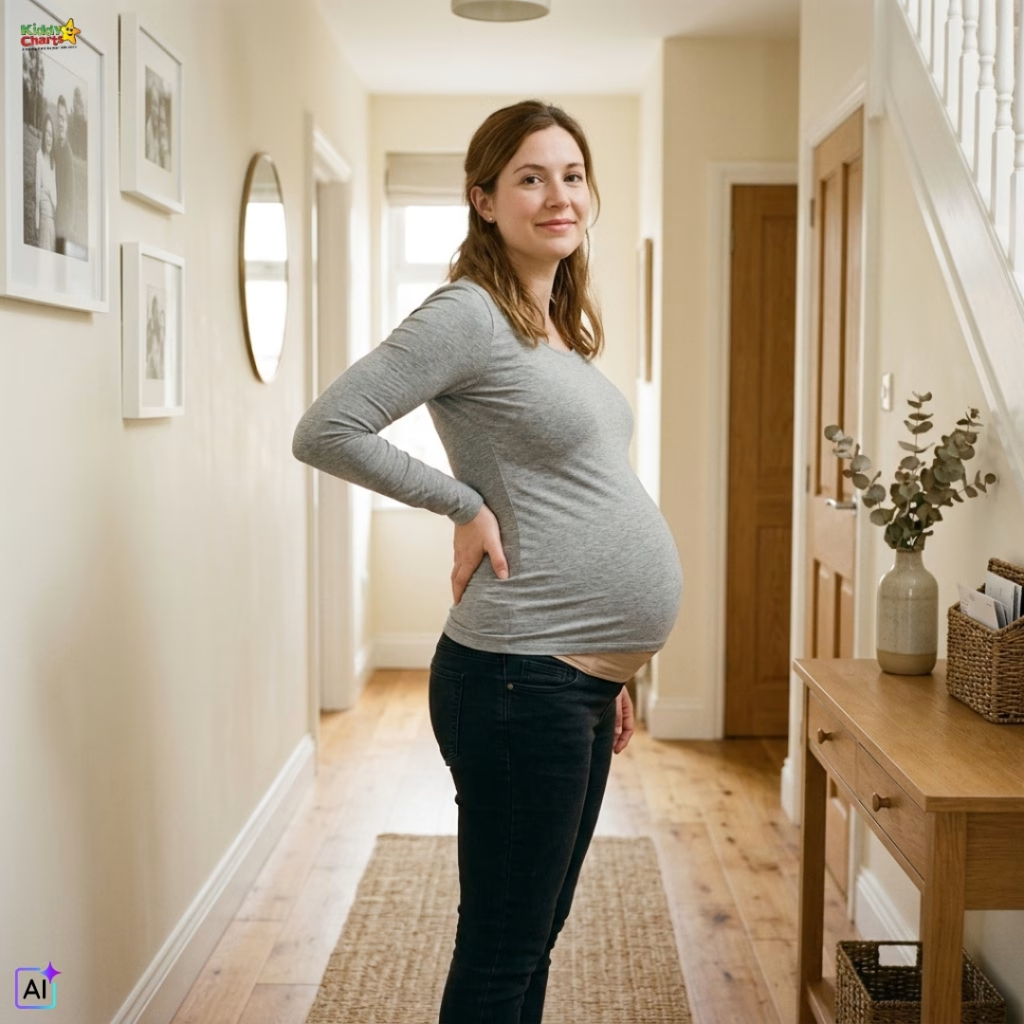
There is no single rule that fits every pregnancy, but most women begin in the second trimester, roughly between 14 and 20 weeks, when the bump becomes more noticeable and everyday movement starts to feel different.
First trimester: Usually wait, unless you already need help
In the early weeks, your bump may barely show and discomfort is often mild. Most mums-to-be do not need a belly band yet. Exceptions can include pre-existing back problems, previous pregnancies where support helped early, or advice from a healthcare professional to start sooner.
If you do try one in the first trimester, keep sessions short, choose a soft adjustable band, and stop if anything feels uncomfortable.
Second trimester: The sweet spot for most mums
This is when when to start wearing a pregnancy support belt becomes a very common search. Your uterus grows quickly, your centre of gravity shifts, and tasks like standing in a queue or doing the school run can leave your lower back complaining.
Many mums find 16–24 weeks a natural starting point, not because a calendar says so, but because discomfort shows up during normal life. A belly band worn for targeted activities (walking, desk days, housework) can make those hours feel more manageable.
Third trimester: More support, still not all day
By the final stretch, extra weight and pelvic pressure are normal: and a belly band can help you keep moving with less strain. Look for adjustable styles that grow with you, especially if your bump sits low or you are carrying twins or multiples.
Even here, the band is a helper for active hours, not something to live in from morning to night.
Many mums start a belly band in the second trimester, when standing and walking feel heavier on the back and pelvis.
Signs it might be time to try one
You do not have to wait until pain stops you in your tracks. Consider a belly band if you notice:
- Your bump feels like it is pulling you forward when you walk
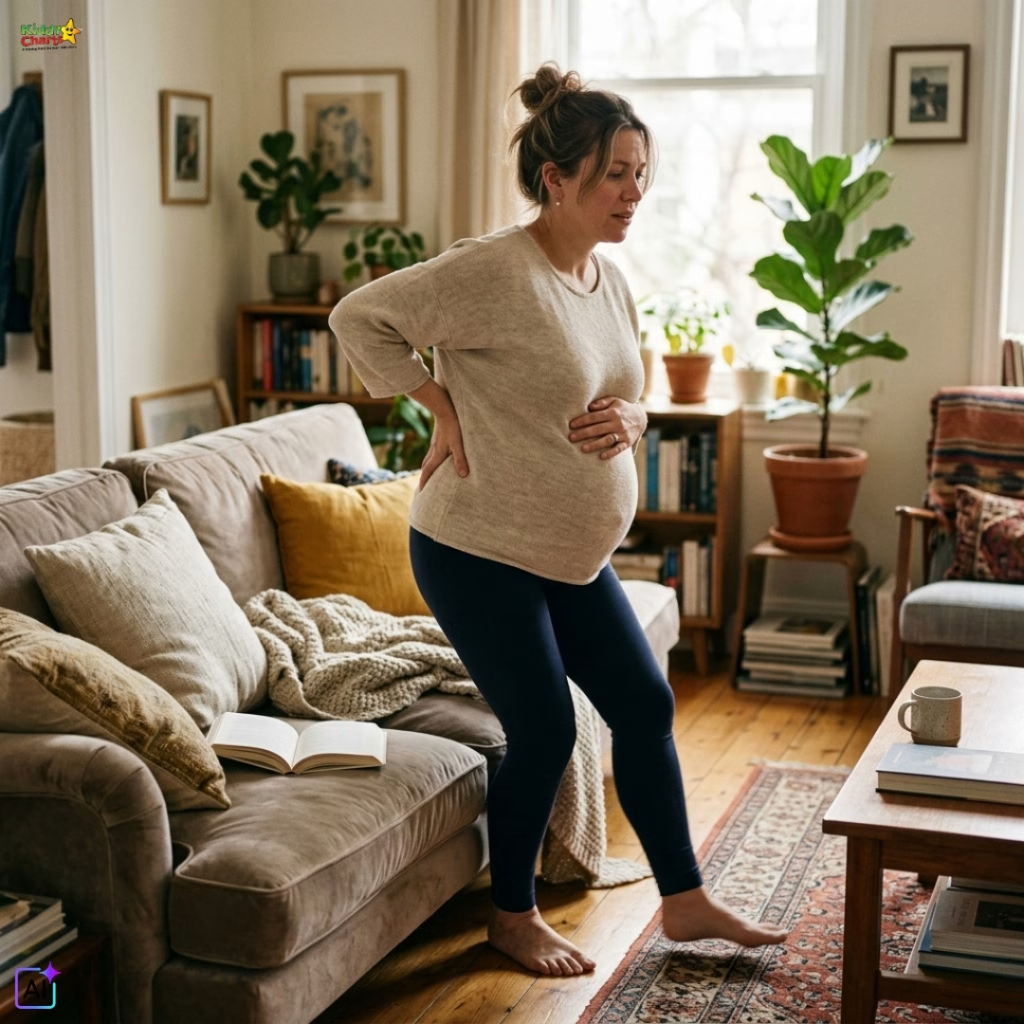
- Lower back or hip ache builds up after standing or sitting for a while
- You arch your back without meaning to, trying to stay balanced
- Simple movements, such as getting off the sofa, or climbing stairs, feel awkward or sore
- Your midwife or physiotherapist suggests external support alongside posture work
If symptoms are sharp, sudden, or paired with bleeding, fever, or regular contractions, contact your care team rather than relying on a belt alone.
How many hours a day should you wear a belly band?
A belly band is meant for temporary support during activities that trigger discomfort, not continuous wear. Most guidance points to short sessions rather than all-day use, so your core muscles stay engaged.
Practical habits that work well for many mums:
- Start small: 30–60 minutes the first few times, then build up if it feels good
- Typical daily total: around 1–3 hours, split into chunks (e.g. a walk, then a break, then desk work)
- During activity: wear it for standing, walking, light chores, or approved prenatal exercise
- Take it off: when resting, lying down, or sleeping: belly bands are not for bed
- Check the fit: snug enough to lift, never tight enough to pinch, tingle, or restrict breathing
If your skin is sensitive, wear the band over a thin vest or cotton layer. Remove it immediately if you feel dizziness, numbness, or increasing pain.
Pregnancy belly band vs Postpartum wrap: Different jobs
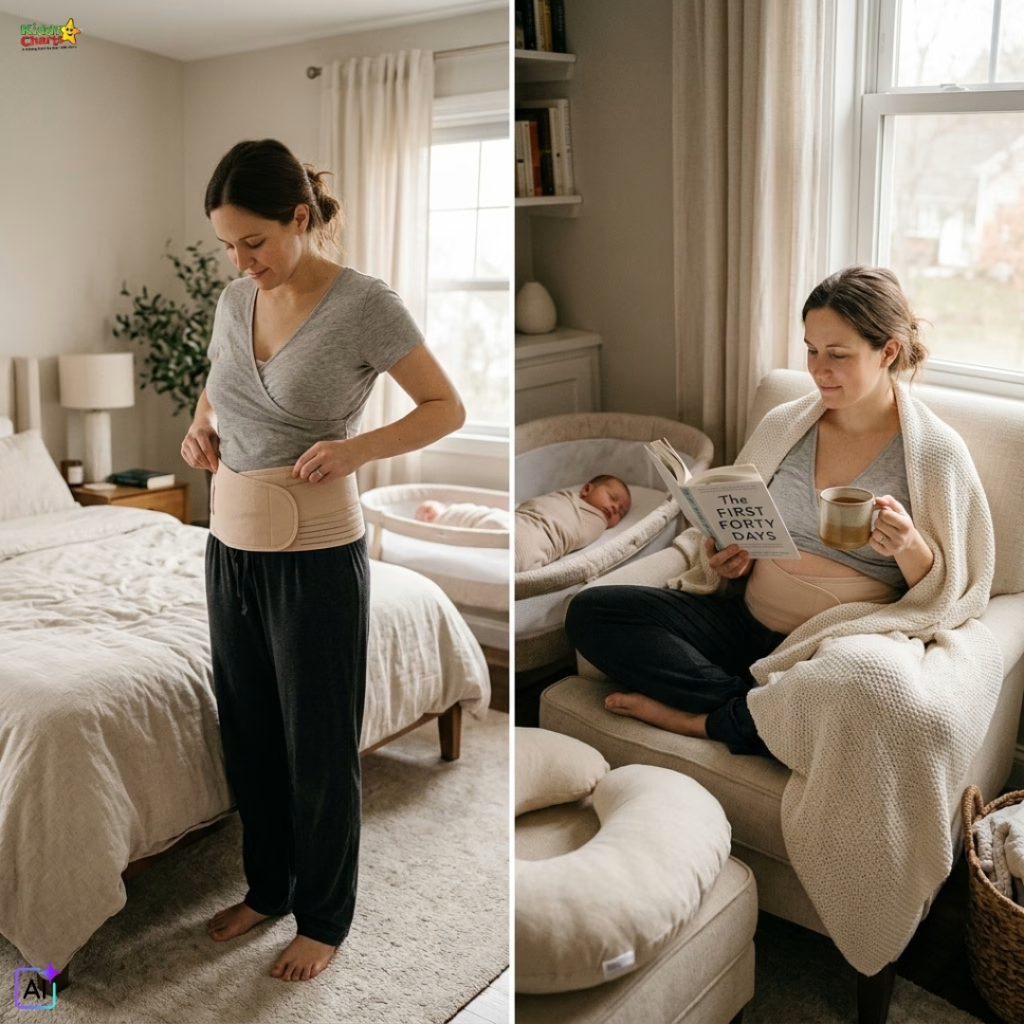
It is easy to mix these up, but they are not interchangeable. A pregnancy belly band supports your bump from underneath and at the back while baby is still growing. A postpartum belly wrap is worn after birth to give gentle compression and stability to the abdomen as your body recovers.
When can you start wearing a postpartum belly band?
Timing depends on how you gave birth and what your doctor or midwife recommends. Many women begin a postpartum support wrap days to a couple of weeks after a straightforward vaginal birth, once bleeding and comfort allow. After a caesarean, you will usually need explicit clearance: often not until the incision is healing well.
Postpartum wraps are also worn in short sessions (commonly a few hours at a time), not 24/7. Your provider can tell you what is safe for your recovery, especially if you have diastasis recti or other abdominal concerns.
Choosing a belly band that grows with you
Once you know roughly when you want to start, the next step is finding a band that matches your bump shape and daily life, not just buying the first option you see.
Measure around your lower abdomen (below the navel, where the band will sit) rather than guessing from pre-pregnancy clothes. If you are between sizes, sizing up often feels more comfortable as your bump expands. Wear the band during the tasks that hurt—then take it off and let your body work on its own again.
FAQ
Is 15 weeks too early to wear a belly band?
Not necessarily. Fifteen weeks is still early for many women, but if your bump is showing and you feel pulling in your lower back or pelvis during everyday tasks, a soft adjustable band for short periods may help. If you are comfortable without one, waiting until the mid–second trimester is fine too. When in doubt, ask your midwife or GP, especially if you have a high-risk pregnancy or existing back issues.
At what point in pregnancy should I start wearing a belly band?
Most mums begin between 14 and 20 weeks, when the bump grows quickly and standing or walking feels heavier on the back and hips. Some start earlier with professional advice; others manage fine until the third trimester. Let your symptoms, not a fixed week number, guide you.
When can I start wearing a postpartum belly band?
That depends on your birth and recovery. After an uncomplicated vaginal birth, some women start within days or a couple of weeks, with short wear sessions. After a C-section, wait for your healthcare provider to say it is safe: often once healing is underway. Postpartum wraps are different from pregnancy bands and should never be used to squeeze your bump while you are still pregnant.
How many hours a day should you wear a belly band?
Think in sessions, not marathons. Many mums wear a pregnancy belly band for about 1–3 hours total per day, broken into shorter blocks during standing, walking, or chores. Avoid sleeping in one, and remove it if you feel numbness, pinching, or dizziness. Your muscles still need time without the belt to stay strong.
Listen to your body, not the calendar
Knowing when to start wearing a belly band comes down to comfort, activity, and a little trial and error. Second trimester is the usual starting line, but your body may call for support sooner or later, and that is normal. Use the band as a tool for the hours that matter, pair it with gentle movement and good posture, and keep your midwife in the loop if anything feels off.
However many weeks you are, you are doing a brilliant job growing a tiny human. A well-fitted belly band will not make pregnancy effortless, but on the days when standing up feels like hard work, it might help you get back to the little joys that make this chapter yours.
We hope you like this article, if you would like more pregnancy content, why not check these out too?
Pregnancy Posts
For more pregnancy content on KiddyCharts - do check out these articles.


20 pregnancy facts that will surprise you (and maybe even the baby!)
In this post we share 20 pregnancy facts that will surprise you.


Could a pregnancy week by week app give peace of mind?
Is it possible that an app that monitors your pregnancy week by week give you peace of mind? Check out this post to find out.


Five early pregnancy signs you might not have heard of
Pregnancy can come with many surprises and things you may not have expected. In this post we share 5 early pregnancy signs you might not have heard of.
Or perhaps these from outside KiddyCharts:
Baby tips from the internet
Here are some more ideas for baby for the new parents out there.


Royal Baby gifts fit for a Prince or Princess!!
Some royal baby inspired gift ideas from Deep in Mummy Matters.

Five carefully chosen and thoughtful gifts for new mums
Some thoughtful and carefully chosen gift ideas for new mums to complement the ones we have given above.
These Are The Best Baby Gifts Going | Baby Soft Toys
Some more ideas from gifts - this time from Mummy vs Work.
Thanks for coming to see us, and we hope to see you again soon.
Helen
Helen Neale

Helen is a mum to two, social media consultant, website editor and a qualified counsellor with experience of working with both children and adults. She is a registered member of the British Association of Counselling and Psychotherapists, with her own private practise. She also freelances with her local Mind organisation. Since giving up being a business analyst when juggling travel, work and kids proved too complicated, she founded KiddyCharts so she could be with her kids, use those grey cells at the same time, and supplement her counselling income. KiddyCharts has reach of over 680k across socials and the site. The site works with big family brands to help promote their services, as well as offering free resources to parents of kids under 10. She is a specialist counsellor for neurodivergent individuals and brings this expertise to her resources and the site. She is also an ADHDer herself. KiddyCharts gives 51%+ profits to charities, focused on supporting mental health and a community in Tanzania Helen has also worked as a digital marketing consultant (IDM qualified) with various organisations, including Channel Mum, Truprint, Talk to Mums, and Micro Scooters. She loves to be creative in the brand campaigns she works on. Get in touch TODAY!