
Moving to a new home is one of the most significant transitions a family can go through. For adults, it means endless checklists, packing boxes, and coordinating logistics. For kids, it can feel like their entire world is being uprooted.
The excitement of something new is often buried under fear of the unknown, leaving parents to manage both the move and their children’s emotions at the same time. The good news is that with the right approach, you can help your kids navigate this change without the tears, tantrums, and resistance that so many families dread.
This is a collaborative post.

Lets consider some of the ways that we can make things easier for our children when we move.
What the moving process means for your child
Before anything gets packed, it helps to understand what is actually going on in your child’s mind. Moving is not just a change of address. It means leaving behind familiar rooms, neighborhood friends, and the routines that give children a sense of security.
When families decide to make a significant relocation, especially across borders, they hire an international moving company to handle the logistics, freeing up time and mental energy to focus on what matters most: preparing their children emotionally for the journey ahead. Acknowledging your child’s feelings early, before the process even begins, sets a tone of openness that makes every step easier.
Start the conversation early
Children handle change far better when they feel included rather than informed at the last minute. As soon as the decision to move is confirmed, bring your kids into the conversation. Active listening techniques can be really helpful here. Use age-appropriate language and keep the tone positive without dismissing their concerns. Let them ask questions, even the ones you do not have answers to yet. Saying “I’m not sure, but we’ll figure it out together” is far more reassuring than vague promises or cheerful deflections.
For younger children, picture books about moving can be a gentle way to open the conversation. For older kids, showing them photos of the new neighborhood or letting them look up things to do nearby gives them something to look forward to.

Give them a sense of control
One of the biggest sources of anxiety for children during a move is feeling like everything is happening around them, not with them. You can ease this by giving them small but meaningful choices throughout the process. Let them decide how their new room will be arranged. Allow them to pack their own box of special items. Ask for their opinion on paint colors or bedding for the new space. You could even use our story prompt generator to create a story about the move to make things a little less fraught.
These small decisions may seem minor, but they send a powerful message: your input matters, and this is your home too. That sense of ownership goes a long way in reducing resistance and building excitement. When children feel heard during the process, they are far more likely to embrace the new chapter with an open mind rather than a closed heart.
Keep routines intact as long as possible
Routines are the invisible anchors of a child’s day. When everything around them is changing, a predictable bedtime, regular meals, and familiar weekend habits provide a sense of normalcy. Try to maintain as many of these as you can right up until moving day, and then reestablish them as quickly as possible once you arrive at your new home.
Even if you are living out of boxes for a week, keeping storytime before bed or your Saturday morning breakfast tradition signals to your child that the important things have not changed.

Talk about goodbyes the right way
Helping kids say goodbye properly is just as important as helping them look forward to what is next. Organize a small farewell gathering with close friends, or let your child exchange contact details with their best friends so they can stay in touch. Take photos of meaningful places: the backyard, their classroom, the park down the street.
Grief over leaving is healthy and should not be rushed or dismissed. Letting children feel the sadness of goodbye actually makes it easier for them to move forward. Suppressing those emotions often leads to them resurfacing as behavioral issues during or after the move.
Create excitement around the new home
Once goodbyes have been honored, shift the focus toward building genuine enthusiasm for what lies ahead. Research the new area together and identify fun things your family can explore. Is there a cool park nearby? A movie theater? A sports league your child can join? Let them take the lead on what they want to discover first.
If possible, visit the new home before moving day so it does not feel completely foreign when you arrive with all your belongings. Walking through an empty house and talking about where things will go helps transform an unfamiliar space into something that starts to feel like home.

On moving day itself
Moving day is chaotic by nature, and children can absorb that stress quickly. If you have young children, consider arranging for them to spend the day with a trusted family member or friend so they are not caught up in the frenzy. For older kids who want to be involved, give them a specific job, so they feel useful rather than lost in the commotion.
Pack a special bag for each child with their favorite snacks, a comfort item, and something to keep them occupied during the transition. Arriving at the new home with a familiar bag of their own things helps them feel grounded from the very first moment.
Settling in takes time
Once you have arrived, resist the pressure to have everything perfect immediately. Prioritize setting up your children’s rooms first, so they have a personal space that feels like their own as quickly as possible. Explore the neighborhood together, meet the neighbors, and let the kids take the lead on what they want to see.
Moving is a process, not an event. Some children adjust quickly, while others take weeks or even months to fully settle. Stay patient, keep communication open, and celebrate small milestones along the way. With the right support, a move can become one of the most memorable adventures your family shares together.
We hope that you enjoy these articles, do check out the rest of our site, and we hope to see you again soon. You might find these money savings printables helpful if you have just moved house too:
Money saving printables on KiddyCharts
Here are some more ideas and printables for saving money on KiddyCharts - we hope that these help you out a little bit more with those money worries.
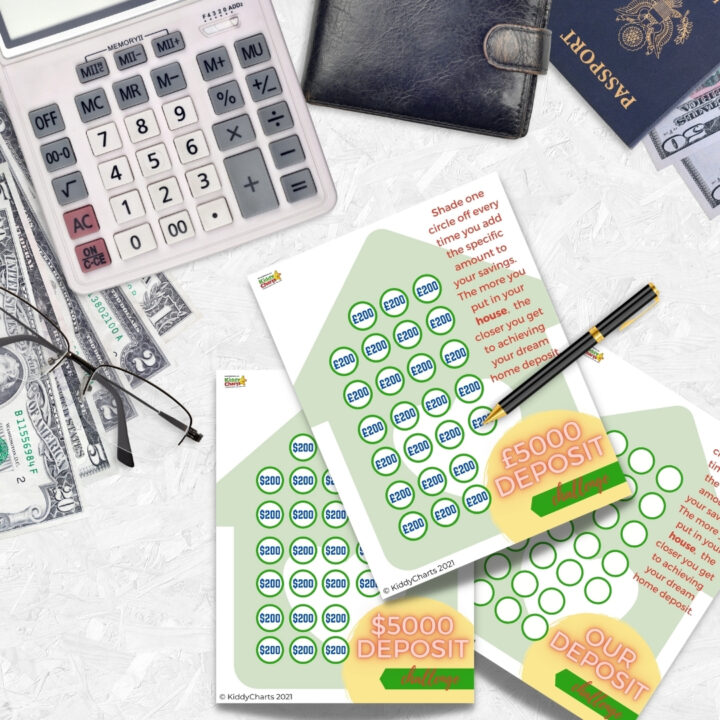
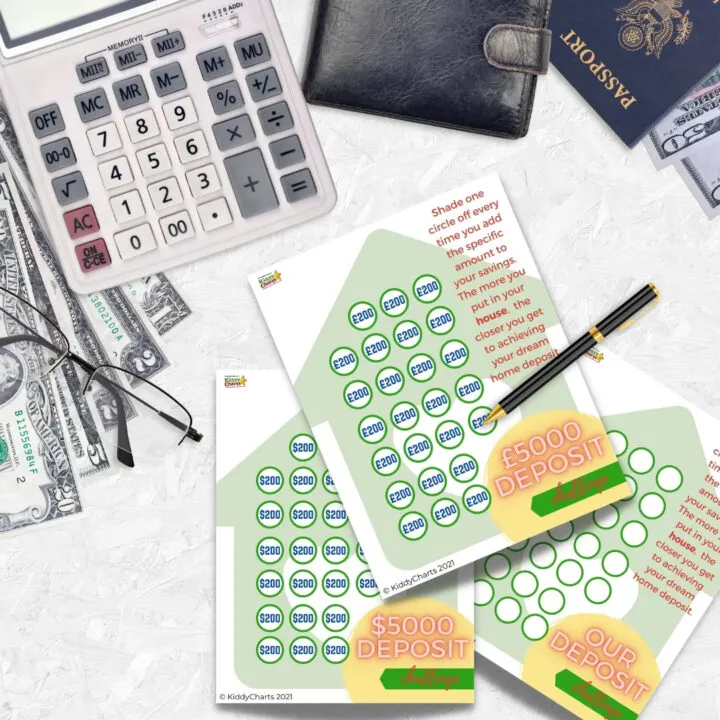
Mortgage deposit tracker: 5 signs you're ready to buy not rent the family home
Get that mortgage sorted with this deposit tracker - and easy way to save for that perfect house.
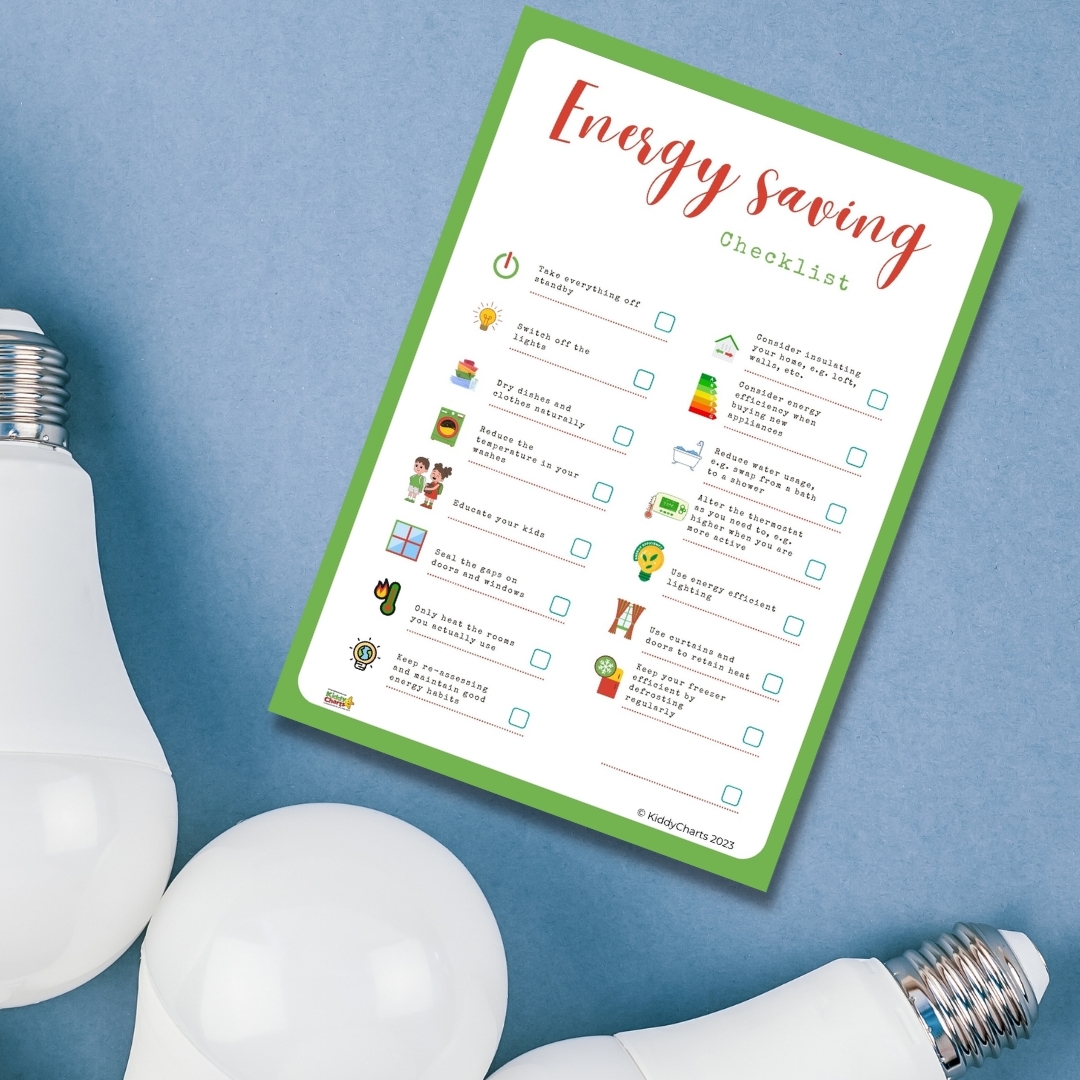

How to conserve energy at home: Includes 15-point checklist
Some ideas for conserve energy in the home, which of course, will save you money.


Money saving challenge printable: How to save 1000 in a month
Save yourself 1000 in a month with this easy to use and very cool printable idea.


5 tips for making eating out cheaper: Including budget envelopes
Eating out doesn't HAVE to be hard to do - here are some budgeting envelopes to help you save for those nights out and other ideas around the house.


Raise a saver not a spender with these FIVE money saving activities
More tips for raising a money saver, and not someone that spends whenever they can!
Thanks for visiting. See you soon.
Helen

Helen Neale

Helen is a mum to two, social media consultant, website editor and a qualified counsellor with experience of working with both children and adults. She is a registered member of the British Association of Counselling and Psychotherapists, with her own private practise. She also freelances with her local Mind organisation. Since giving up being a business analyst when juggling travel, work and kids proved too complicated, she founded KiddyCharts so she could be with her kids, use those grey cells at the same time, and supplement her counselling income. KiddyCharts has reach of over 680k across socials and the site. The site works with big family brands to help promote their services, as well as offering free resources to parents of kids under 10. She is a specialist counsellor for neurodivergent individuals and brings this expertise to her resources and the site. She is also an ADHDer herself. KiddyCharts gives 51%+ profits to charities, focused on supporting mental health and a community in Tanzania Helen has also worked as a digital marketing consultant (IDM qualified) with various organisations, including Channel Mum, Truprint, Talk to Mums, and Micro Scooters. She loves to be creative in the brand campaigns she works on. Get in touch TODAY!