
If you’ve worked through the 30-Day Decluttering Challenge, or even got partway through it, you’ll know the feeling by the end. You’ve worked through cupboards, drawers and shelves, and there’s a pile by the back door, in the garage, or taking up half the hallway to show for it. The challenge is brilliant at getting a family through the sorting, room by room, day by day. But what next? Once everything’s finally out of the cupboards and drawers, there’s still the pile itself to deal with.
That’s the stage that tends to catch people out, not because it’s complicated, but because nobody thinks about it until the pile’s already there and someone’s asking what happens to it all.
This is a collaborative post.
Make the pile a family decision, not just a job
Most of what’s in the pile is probably still good, so donating is usually the best place to start, getting proper use out of things the family’s finished with rather than simply throwing them away.
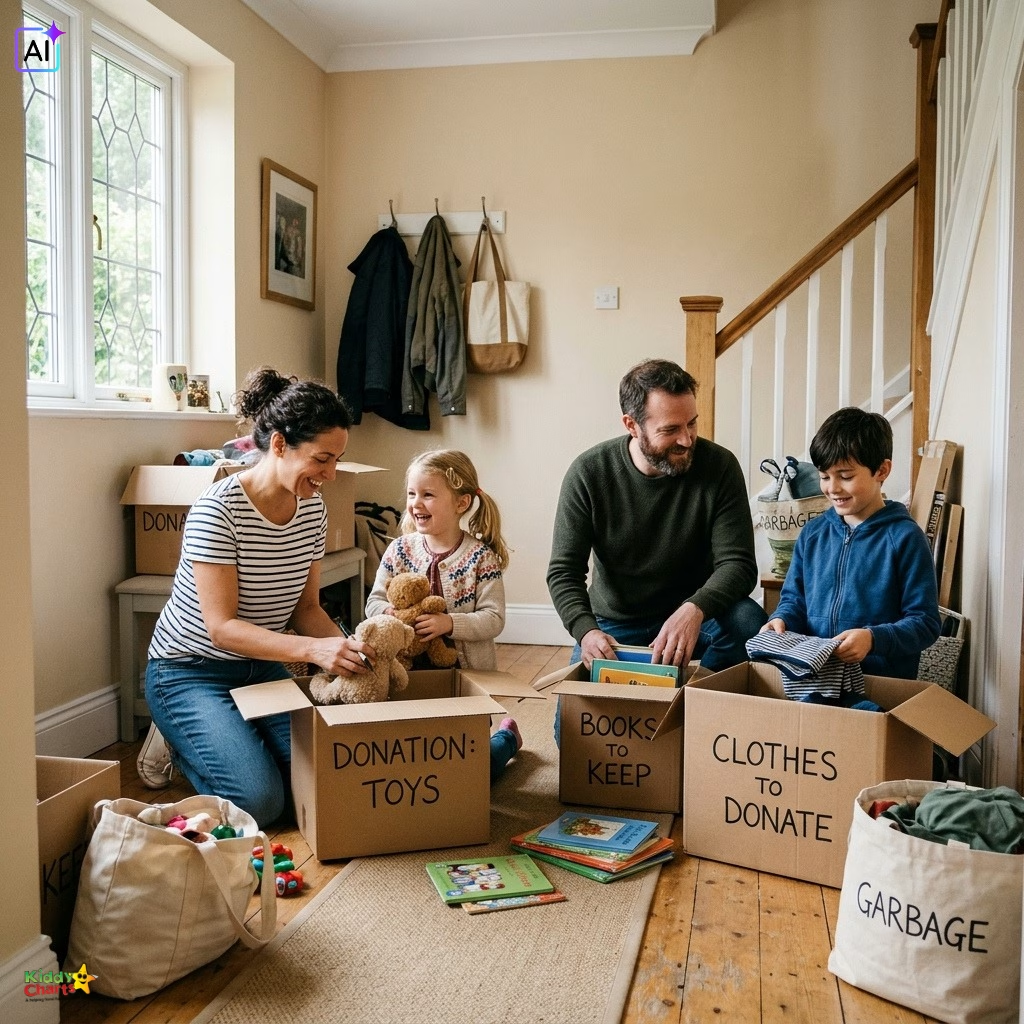
It’s worth making that part a family decision too, rather than a job for one person. Treat sorting the pile the same way you treated the challenge itself, something everyone does together, kids included, rather than mum or dad working through it alone on a Sunday afternoon. Let the kids choose which toys or books they’re ready to pass on, whether that’s to a cousin, a friend with younger kids, or a charity shop.
Picking a charity that means something to someone in the family, a cause a grandparent supports, a shop local to where you live, rather than just whichever drop off point is closest, gives everyone a reason to care about the outcome, not just the sorting.
Start with anything clean, complete and usable, but check what the receiving charity accepts, especially with children’s items. Make sure toys are complete and still usable before they go in the donate pile, and check before donating baby equipment rather than assuming a charity or baby bank will take it. Barnardo’s, for example, doesn’t accept baby bouncers regardless of condition.
Furniture can usually be donated too, but it’s worth a quick check with the charity first. Upholstered pieces, sofas, armchairs, fabric dining chairs, generally need their fire safety label still attached, and the British Heart Foundation, for instance, requires it on everything upholstered it takes in, not just the obvious items. Mattress policies vary. The British Heart Foundation, for instance, accepts suitable mattresses subject to condition and the same fire label requirement, while other charities, Barnardo’s included, won’t take them at all, so it’s always worth checking rather than assuming either way.
It’s also worth being careful about how donations actually reach the charity. Leaving bags outside a shop after closing feels like a kind shortcut, but left out overnight they get rained on or picked through, and the shop often ends up paying to dispose of what should have been a donation in the first place. Most charity shops list exactly what they can take on their website, so a quick check before the car’s loaded up saves a second trip, and a different day or drop off point is always better than leaving things on the step.
What can’t just go in with the rest
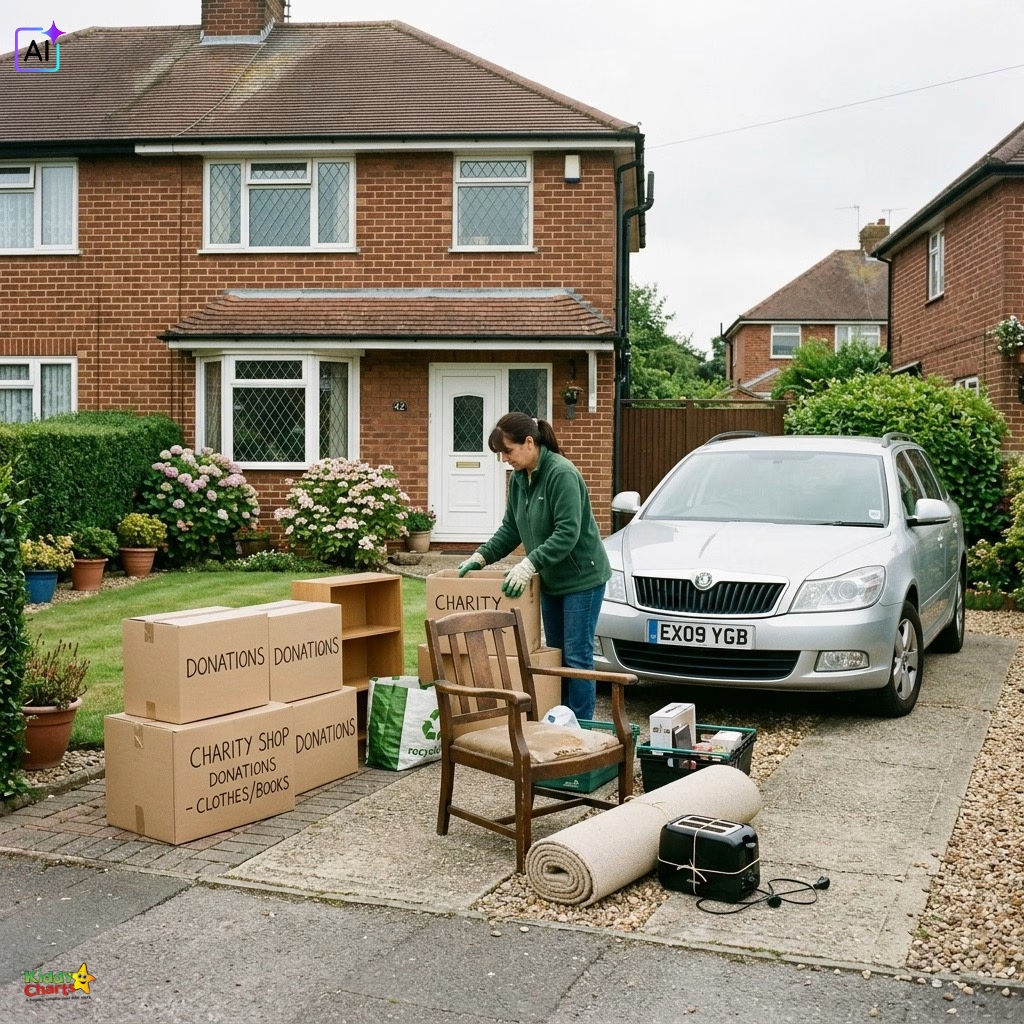
Once the donating’s sorted, a few bits and pieces can usually go out with the normal household waste, but for a proper clearout, old carpets, broken furniture, garden waste, a skip is often the easiest way to deal with it all in one go. Either way, three items are particularly worth asking about before they go anywhere.
An old sofa or armchair can’t just go in with general waste, whatever its age. The rules around getting rid of upholstered seating changed in January 2023, because some of it contains persistent organic pollutants, POPs for short, a group of flame retardant chemicals that can be present in older foam and fabric and need destroying properly rather than sent to landfill. There’s no way to tell just by looking, so the safe approach is to ask before it goes anywhere. Keep it out of the mixed waste pile and ask your council, skip provider or a furniture recycling service about collection.
Anything with a plug or a battery needs a separate recycling route, not a general waste bin. These fall under the Waste Electrical and Electronic Equipment Regulations, WEEE for short, which is why council recycling schemes, and many retailers when you buy a replacement, offer separate collection for exactly this kind of item, because of what’s inside, circuit boards, batteries, small amounts of things that shouldn’t end up in general landfill. Loose batteries and electricals with batteries left inside are also a real fire risk, one of the more common causes of fires in bin lorries and recycling centres in the UK.
A mattress is a different kind of awkward. It falls outside the upholstered seating rules above, though that’s not the same as saying anything goes, so it’s worth asking rather than assuming either way. It’s simply bulky, hard to compact, and made of several materials that all need separating out for recycling. If you’re using a skip, ask your provider before the day itself whether they’ll take one, whether there’s an extra charge, or whether it needs its own separate collection.
Finishing what the challenge started
Give each part of the pile a destination, then put the drop off or collection in the diary. Otherwise, it’s easy for the newly cleared hallway to become a storage spot for bags that never quite leave.
If you’re still working through the challenge, you can arrange those trips as you go rather than saving everything for the end. For a larger clearance, our guide to what can and can’t go in a skip is worth checking before you book.
We do hope you like this article on organising after a declutter, for other organisation tips, why not check out our declutter planner, and the organised mums section on the site as well as these articles too?
Family and household printables
These handy printables for your family and household will help you stay more organised. Check them out!
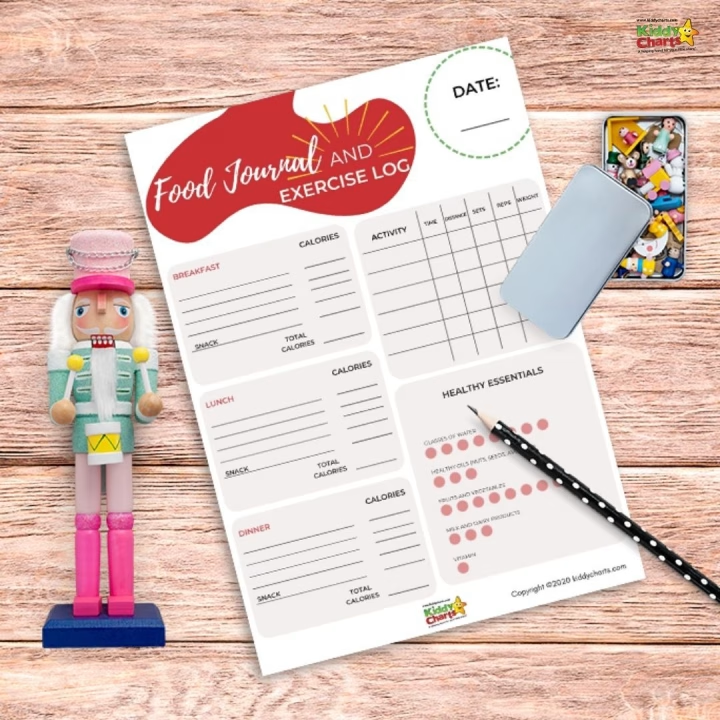
Food and exercise tracker
Track your food intake and how much you have exercised with this simple yet effective printable tracker.


Free 2021 family planner
Stay organised throughout 2021 with our free 2021 family planner. This printable helps you jot down appointments, special days, and the kid´s activities. Basically, you can track all you want!


Medicine cabinet checklist: 25 essential items every parent needs
This essential checklist helps you keep your family's medicine cabinet by keeping to hand the 25 essential items every parent needs.
Or perhaps some others from offsite as well?
More organisational resources from the web
Have a read of these posts that are sure to help you stay more organised in the home.


10 Simple Ways to Keep Your Family Organised
These 10 simple ways to keep your family organised are a great way to start keeping tabs of your household and keeping things organised. Have a read!


FAQ about Our Student Planner
Help your little learners stay on track with this printable student planner.


Displaying Artwork 4
If you want to keep your kids artwork organised then this post by Mum in the Mad House´s Jen is for you.
We’d love to see you on the site again, so do sign up to our newsletter for more printables, tips and tricks for you and your family.
Take care,
Helen
Helen Neale

Helen is a mum to two, social media consultant, website editor and a qualified counsellor with experience of working with both children and adults. She is a registered member of the British Association of Counselling and Psychotherapists, with her own private practise. She also freelances with her local Mind organisation. Since giving up being a business analyst when juggling travel, work and kids proved too complicated, she founded KiddyCharts so she could be with her kids, use those grey cells at the same time, and supplement her counselling income. KiddyCharts has reach of over 680k across socials and the site. The site works with big family brands to help promote their services, as well as offering free resources to parents of kids under 10. She is a specialist counsellor for neurodivergent individuals and brings this expertise to her resources and the site. She is also an ADHDer herself. KiddyCharts gives 51%+ profits to charities, focused on supporting mental health and a community in Tanzania Helen has also worked as a digital marketing consultant (IDM qualified) with various organisations, including Channel Mum, Truprint, Talk to Mums, and Micro Scooters. She loves to be creative in the brand campaigns she works on. Get in touch TODAY!