
Emotions are big things for our little people. Sometimes, they are even big things for us adults as well. As parents and educators, watching a child struggle with anxiety or overwhelming feelings can be incredibly difficult. This resource is designed for parents, teachers, counsellors, and anyone supporting children with anxiety. That is exactly why we have created these free worry worksheets. You want to help, but sometimes “use your words” just isn’t enough, or isn’t even appropriate, when a child’s brain is in fight-or-flight mode. Helping children manage and accept their worry early can support their emotional development and well-being. Don’t forget you can also sign up for our free mental health series for kids too, for additional supports:
We want to give you a practical, visual toolkit to help children identify, express, and manage their feelings. Printable anxiety worksheets for kids can support emotional development and self-regulation. Teaching children to recognize their worries can help them manage their anxiety more effectively. Worksheets help children understand their feelings and recognize what triggers their anxiety. Whether you are a parent looking for bedtime support, a teacher setting up a calm corner, or a homeschooler working on emotional literacy, this printable pack is designed to make those tricky conversations a little bit easier.

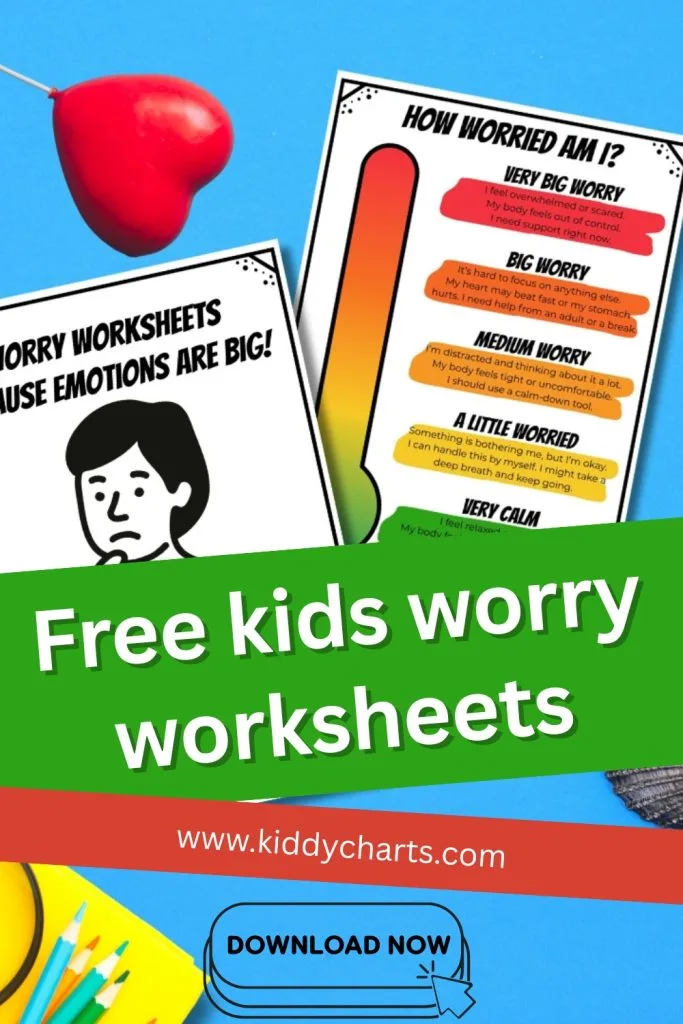
These worksheets are also helpful in school and group therapy settings, where children can discuss their worries together. Children face many difficulties, including uncertainty and fear of failure, just like adults. Sometimes, worry is internalized and not as visible as other emotions, such as anger. Using these worksheets in educational and therapeutic environments can help children understand their emotions, supporting school performance, and improving social interactions.
Reliable, evidence-based worry worksheets are also available through sources like Therapist Aid, the Centre for Clinical Interventions, and PositivePsychology.com.
Let’s take a look at what is inside the pack and how you can use these pages to support the children in your life.
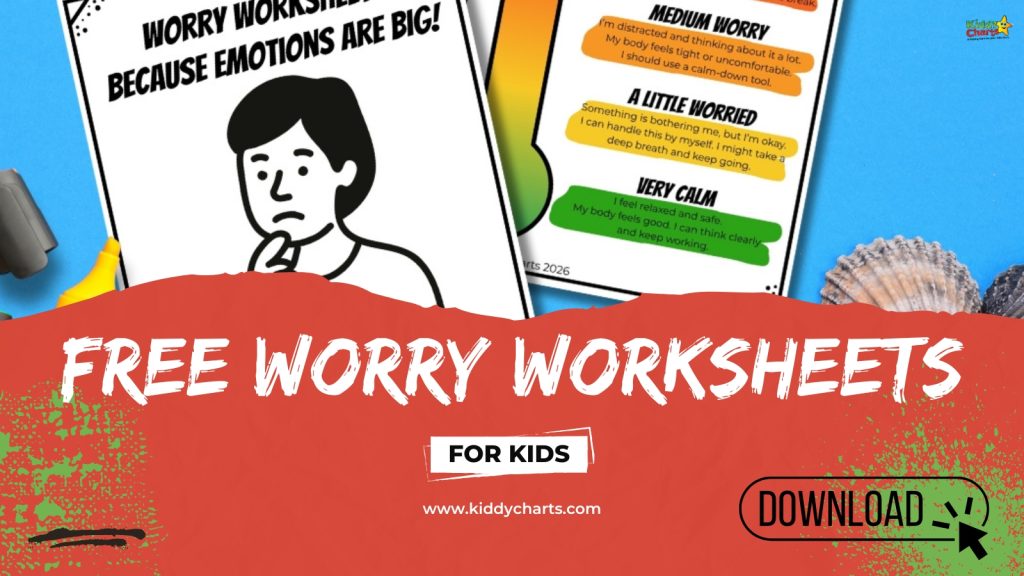
What is inside these worry worksheets?
This printable pack isn’t just a single sheet; it is a mini-workbook designed to walk a child through the process of feeling, identifying, and regulating. We encourage children to complete all the exercises for a comprehensive experience. The worksheets are designed to help children gain insight into their emotions and recognize what triggers their anxiety. We have designed it with engaging graphics, like our cute, friendly turtle, to keep it approachable and non-threatening.
The worksheets also encourage children to challenge unhelpful beliefs and foster emotional regulation, and you can explore additional positive thinking activities designed for kids.


The worry jar
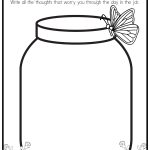
One of the most effective tools in child therapy is the concept of “containment,” and our Worry Jar page (Page 2) is perfect for this.
Anxiety often feels like a swarm of bees buzzing around a child’s head. It is constant and distracting. The Worry Jar gives those worries a place to go. The instruction is simple: “Write all the thoughts that worry you through the day in the jar.” This process helps children become more aware of their worries and the physical symptoms that may accompany them.
How to use it: Encourage your child to write down their specific worries inside the jar illustration. Once it is written down, you can “put the lid on it.” This physically demonstrates that the worry is contained. It doesn’t mean the worry is gone forever, but it means they don’t have to carry the weight of it in their head right now. Worrying is different from problem-solving, as it often does not lead to actionable solutions, but the Worry Jar helps separate the two.


We also have a worry tree on the KiddyCharts site, which offers another way of sorting through our worries if this jar doesn’t wuite work for your children, or class. You can also make your own worry jar here too. If a jar or a tree isn’t right for you, we have another set of anxiety sheets that use balloons to help kids discuss their worries, so do try these out instead as well.
Turtle emotions
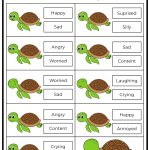
Page 3 focuses on emotional vocabulary. We often ask kids “What’s wrong?” but if they don’t have the words to distinguish between “sad,” “afraid,” and “annoyed,” they can’t tell us.
This sheet features different turtle expressions. Children can circle the emotion they recognize. This activity helps children pay attention to their feelings and body sensations, which can sometimes show up as physical symptoms like stomachaches or tightness in the chest. There is also a blank box for them to draw their current face. This creative element is crucial because sometimes a child feels a mix of emotions that a standard emoji can’t capture. Additionally, this worksheet can help children identify specific situations that trigger their anxiety.


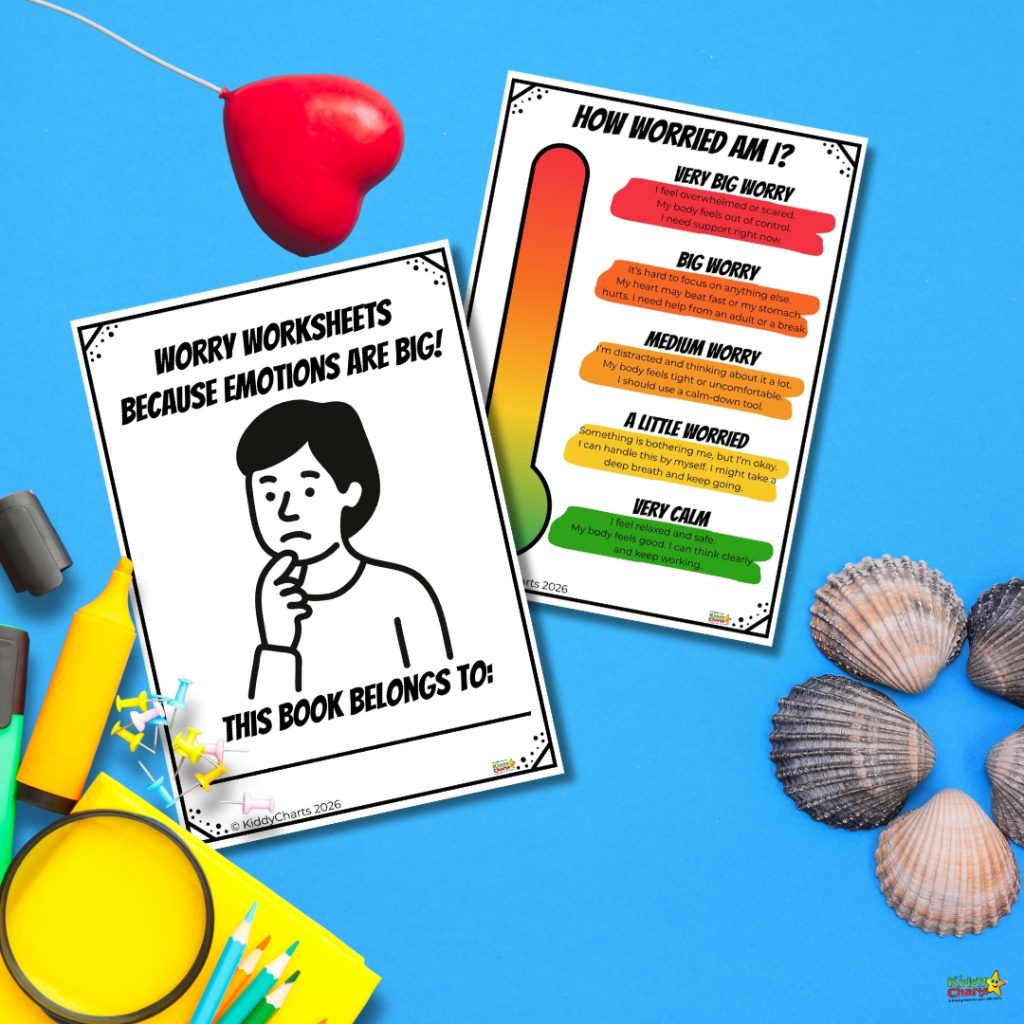
The 5-Point Scale: How Worried Am I?
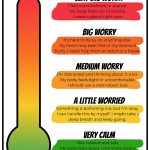
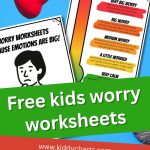
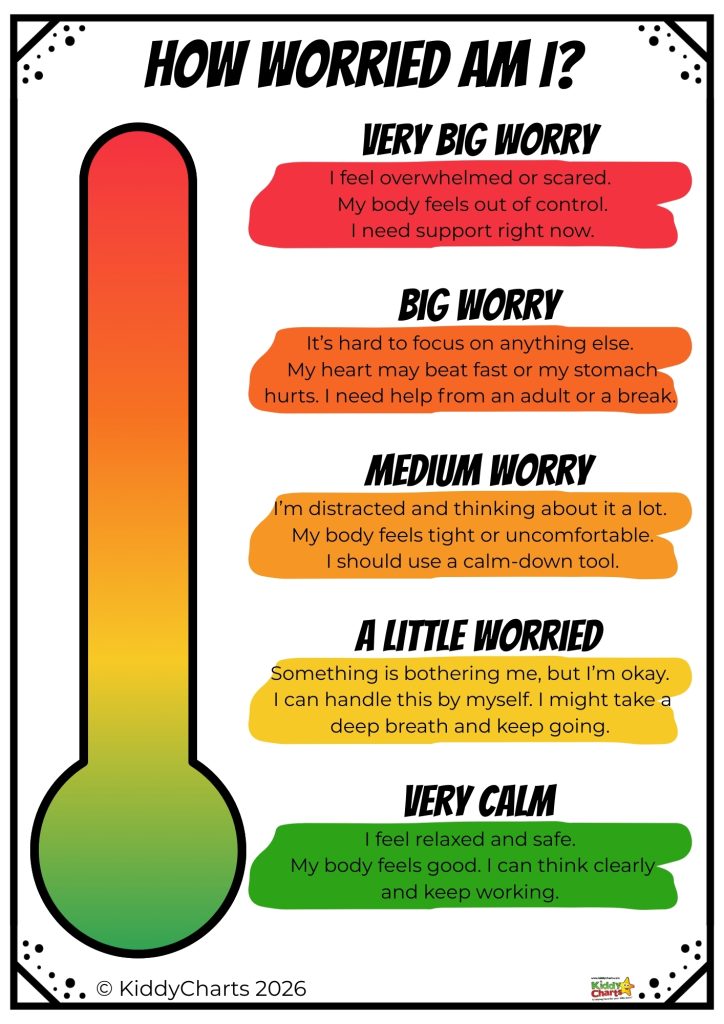
Page 5 is perhaps the most critical page for emotional regulation. It breaks down worry into five distinct levels:
- Very Calm: Relaxed and safe.
- A Little Worried: Something is bothering me, but I’m okay.
- Medium Worry: Distracted and uncomfortable.
- Big Worry: Overwhelmed or scared.
- Very Big Worry: Body feels out of control.
This sheet helps children connect their body sensations (fast heart, tight stomach) with an emotional label. This skill, known as interoception, is vital for self-regulation.
Additionally, the Anxiety Coping Skills Tracker can be used alongside the worksheet to help children monitor which coping strategies work best for them and track their progress over time.
Again, we do have further resources on this way of understanding anxiety, and worry, so you may want to check out this article, relating to mood ratings with more ideas for anxiety in kids for you.
Planning and strategies
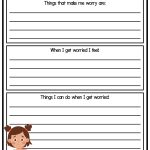
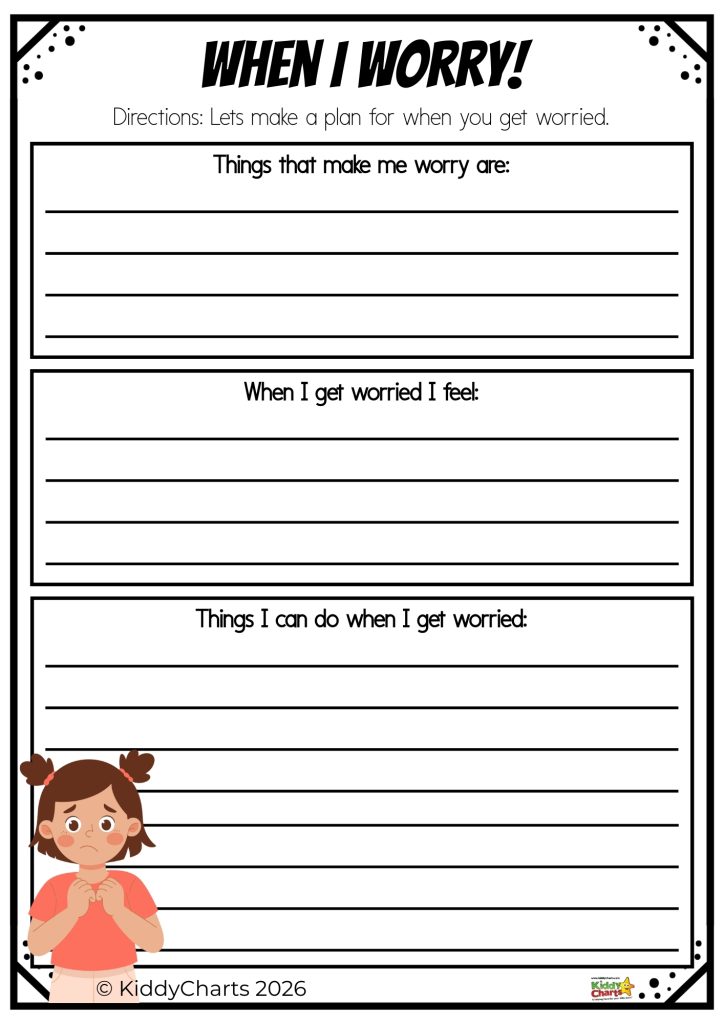
The remaining pages (4, 6, and 7) are all about action. The “When I Worry” page helps create a specific plan. Planning for the future and preparing for ongoing challenges or setbacks is emphasized, helping children build resilience for situations that may arise later on. It asks the child to identify triggers and plan responses before the anxiety hits.
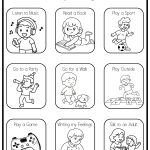
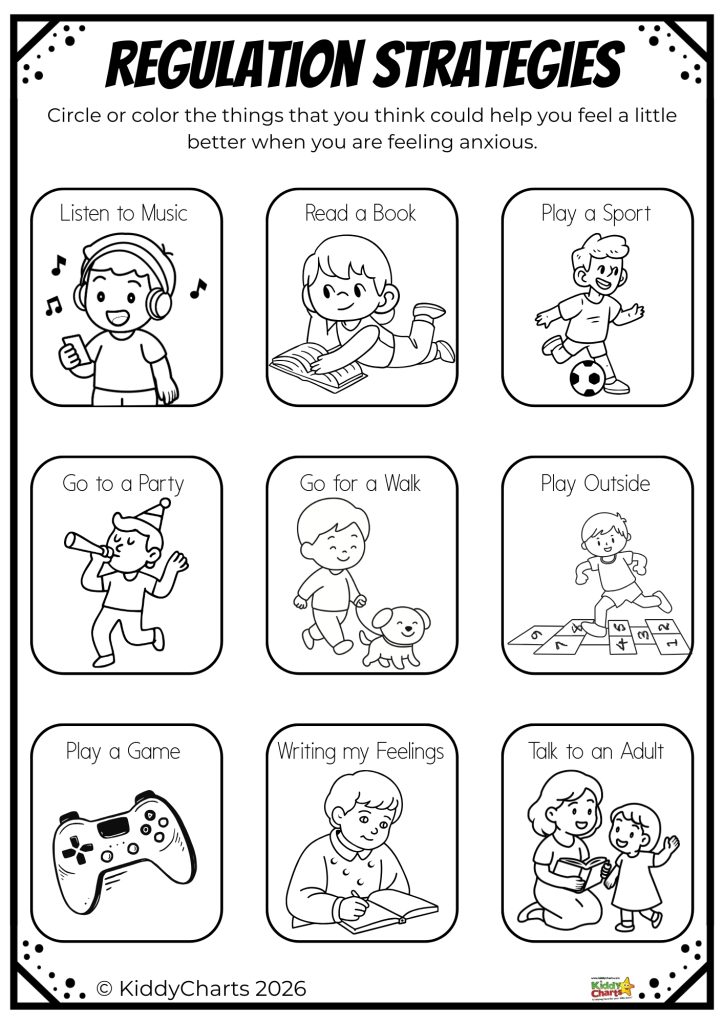
Page 6 offers visual prompts for regulation strategies, such as:
- Listening to music
- Reading a book
- Playing a sport
- Talking to an adult
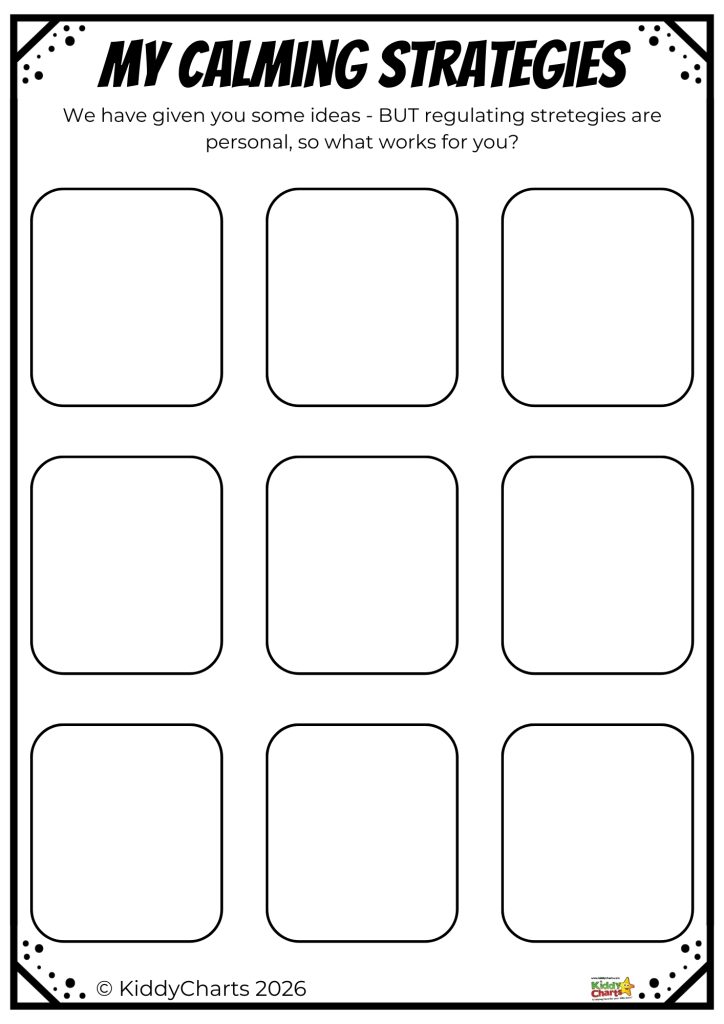
Page 7 leaves space for “My Calming Strategies,” acknowledging that what calms one child might annoy another.
Managing somatic responses (physical symtoms) of worry
Recognizing worry
When children experience worry or anxiety, it often shows up in their bodies before they even have the words to describe what’s happening. A racing heart, sweaty palms, a tight tummy, or even headaches; these are all physical signs that can feel overwhelming and confusing for kids. Recognizing and managing these signs is a key part of supporting children’s mental health and helping them develop strong self-regulation skills.
One of the first steps is helping kids learn to identify what their bodies are telling them. Using a worksheet or a simple body outline, children can mark where they feel their worries. This not only makes the experience less scary, but also gives them language to express what’s going on inside. For example, a child might draw a squiggly line on their stomach to show where they feel nervousness, or color in their hands if they get sweaty when anxious thoughts pop up.
Tools like the worry jar can be especially helpful here. By writing down or drawing their worries and placing them in the jar, children practice setting aside their anxious thoughts for a specific “worry time.” This teaches them that while worries and physical symptoms are a natural part of life, they don’t have to control their day. It’s a simple but powerful way to help kids focus on the present and release some of the tension they’re carrying in their bodies.
Coping strategies for physical signs
Positive self-talk and coping skills are also essential. Teaching children to use calming phrases like “I can handle this,” or “It’s okay to feel worried sometimes,” helps them respond to their symptoms with kindness rather than fear. Practicing deep breathing, star breathing, progressive muscle relaxation, or gentle stretching can help calm the body and mind. These exercises can be turned into fun, engaging activities, like pretending to blow up a big balloon or stretching like a cat, that kids can use at home, in therapy, or in the classroom.
Parents and teachers play a vital role in this process. By creating a supportive environment where children feel safe to talk about their worries and physical signs, adults can help kids explore what triggers their anxiety and develop a plan for managing it. Group activities, role-playing, and creative outlets like art or music can make it easier for children to express their emotions and learn new coping strategies.
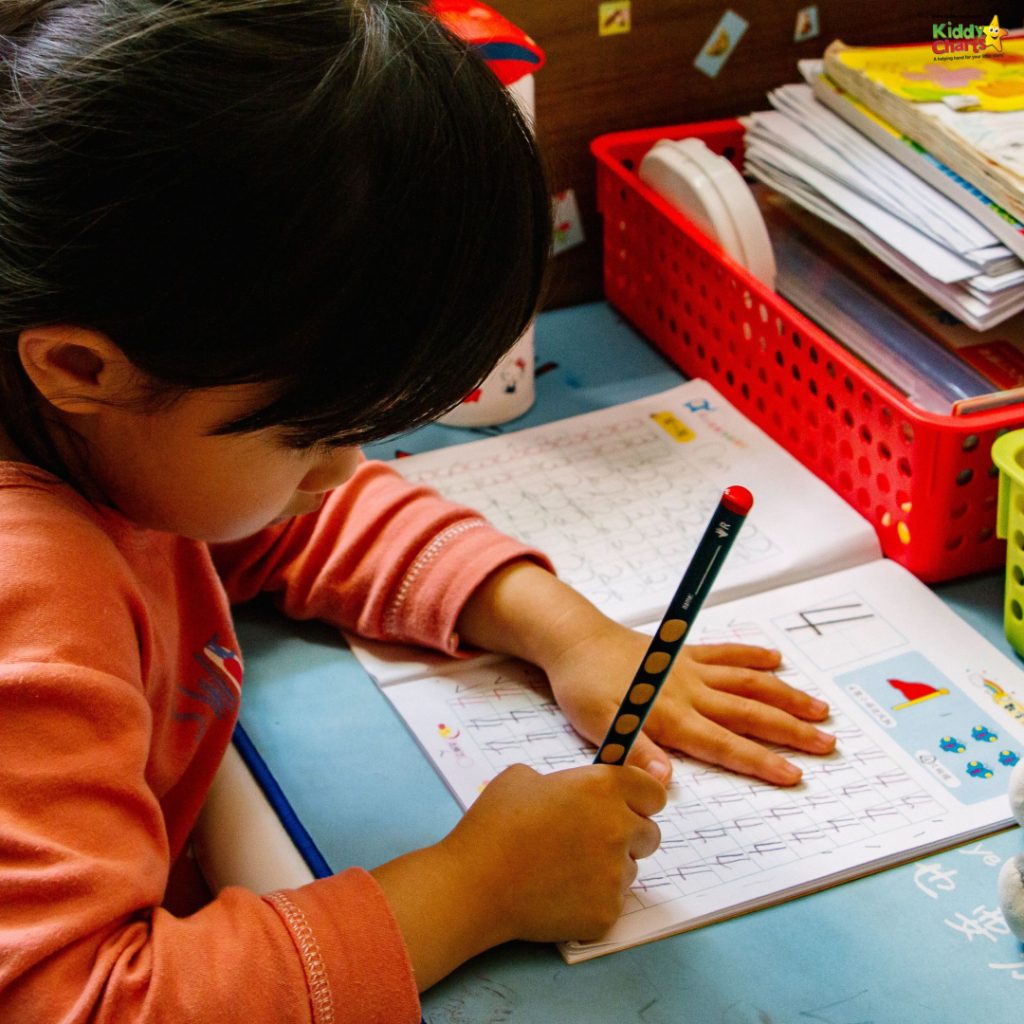
For teens, it’s important to introduce more advanced tools, such as mindfulness exercises, journaling, or even therapy-based approaches like cognitive-behavioral therapy (CBT). These strategies help teens identify patterns in their thinking, recognize triggers, and develop effective problem-solving skills for managing persistent or overwhelming symptoms.
Ultimately, managing the physical signs of worry is about giving children and teens the tools and support they need to feel in control of their emotions and their bodies. With practice, patience, and the right resources, like our free worksheets, kids can learn to recognize, express, and effectively manage their worries, leading to greater confidence and success in all areas of life.
How to use these worksheets in different settings
These worry worksheets are versatile. They are especially helpful for children in school settings, including those with generalised anxiety disorder, which is characterized by worry spread across multiple areas of life. Here is how you can adapt them for different environments.
At home
Try introducing the Worry Jar as part of your bedtime routine. Nighttime is often when anxiety spikes because the distractions of the day fade away. Spend five minutes letting your child “dump” their worries into the jar on the paper so they can sleep with a clearer mind.
In the classroom
These sheets are perfect for a “Calm Corner” or “Safe Space.” Print several copies of the “Regulation Strategies” and “How Worried Am I?” pages. Laminate them and stick them to the wall or a desk.
When a student looks overwhelmed, you don’t need to ask them questions. You can simply point to the 5-point scale. They can point to “Big Worry,” and you instantly know they need a break rather than a lecture.

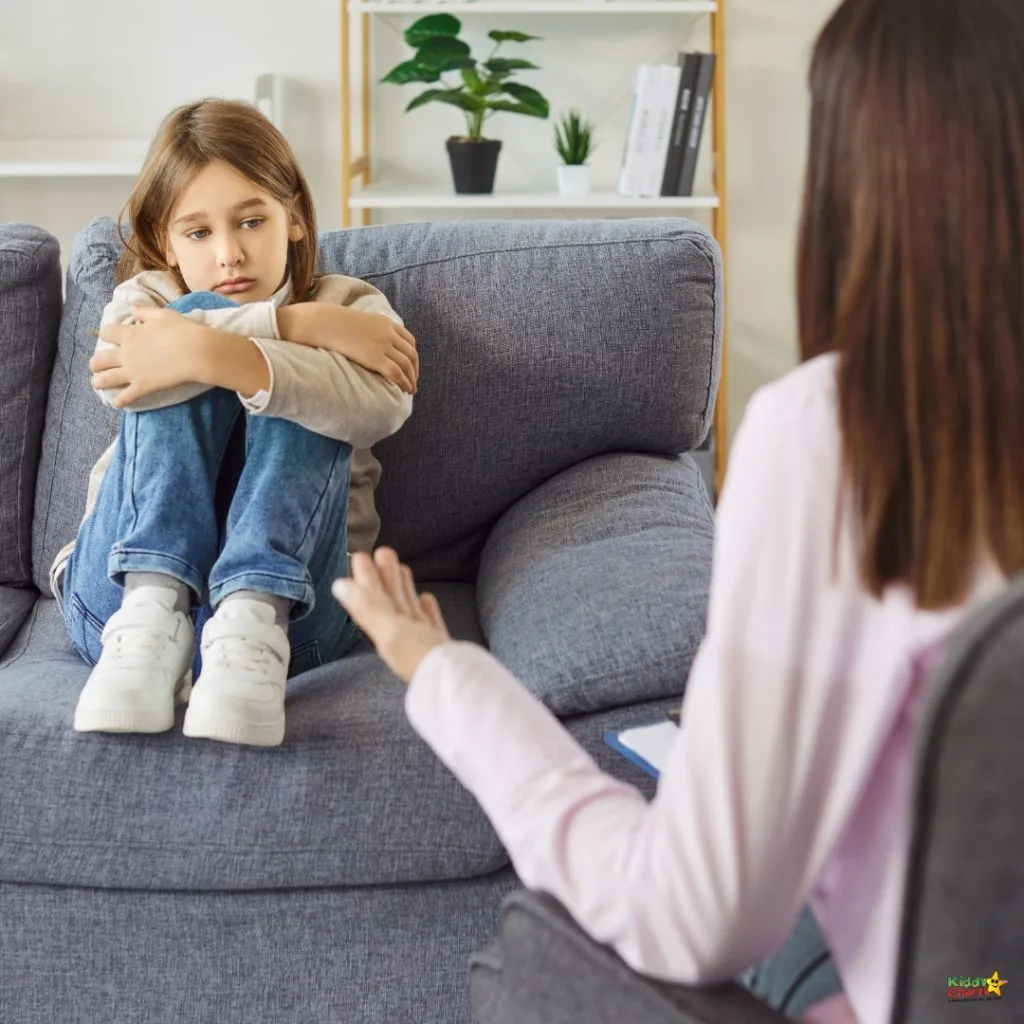
For homeschoolers
Use the “turtle emotions” page as part of your morning basket or circle time. Emotional literacy is just as important as reading literacy. Checking in with feelings at the start of the day sets a tone of emotional safety for learning.
Neuro-affirming ideas for neurodivergent kids
As a counsellor working with neurodivergent children (Autistic, ADHD, AuDHD), I know that standard worksheets sometimes need tweaking. We want to support our neurodivergent children without making them feel like they are being tested.
Here are some neuro-affirming ways to use these worry worksheets:
1. Reduce the writing demand
For many neurodivergent kids, the act of writing can be a barrier. It requires fine motor skills and executive function that might be offline when they are anxious.
- Adaptation: For the Worry Jar or the “When I Worry” plan, do not force them to write sentences. Let them draw symbols, use stickers, or even scribe for them. You write what they say. The goal is emotional release, not handwriting practice.
2. Validate “sensory” as an emotion
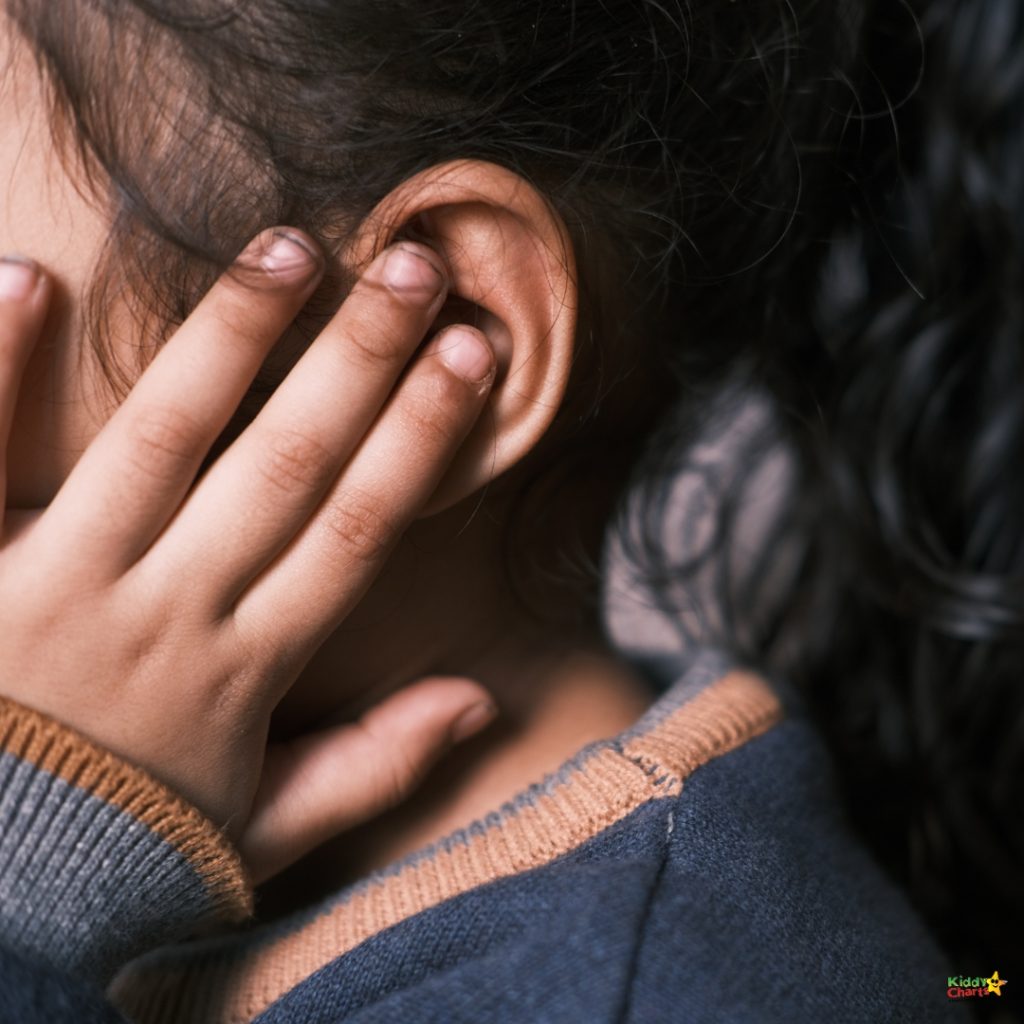
On the Turtle Emotions page, a neurodivergent child might not relate to “Sad” or “Happy.” They might feel “Too Loud,” “Itchy,” or “Bright.”
- Adaptation: Encouraging them to draw their current emotion in the blank box is key here. If they draw a picture of a loud siren, validate that. Sensory overwhelm is a valid emotional state for them.
3. Customize the strategies (Page 6 & 7)
The suggested strategies on Page 6 are great, but they are neurotypical-leaning. “Go to a party” might be a nightmare for an autistic child who is already dysregulated!
- Adaptation: Use Page 7 (the blank strategy page) to focus on sensory regulation. Their strategies might look like:
- Sit under a weighted blanket.
- Chew gum.
- Spin in circles.
- Look at my special interest collection.
- Noise-cancelling headphones. Let them lead this. Stimming is, of course, a valid and healthy regulation strategy.
4. Use the scale visually, not verbally
When an autistic or ADHD child is in “meltdown” or “shutdown” mode, their ability to process language drops significantly. Asking “How worried are you?” might escalate the situation.
- Adaptation: Laminate Page 5 (The Scale). Use a dry-wipe marker or a sticky tack counter. The child can simply move the counter to “Big Worry” or the “Red Zone.” This communicates their needs without the pressure of speech.
Download your free worry worksheets
Helping children navigate the stormy seas of anxiety takes patience, love, and the right tools. We hope this printable pack becomes a valuable resource in your home or classroom.
Remember, the goal isn’t to get rid of worries, emotions are a normal part of being human. The goal is to show our children that they can handle big feelings, and that they have a safe place (and safe people) to turn to when things get tough.
Thanks so much for joining us today, do check out some of the other articles that we have on the site for you around anxiety and worry:
Anxiety in kids
Ideas from KiddyCharts to help with kids expressing themselves, and focusing on improving mental health.

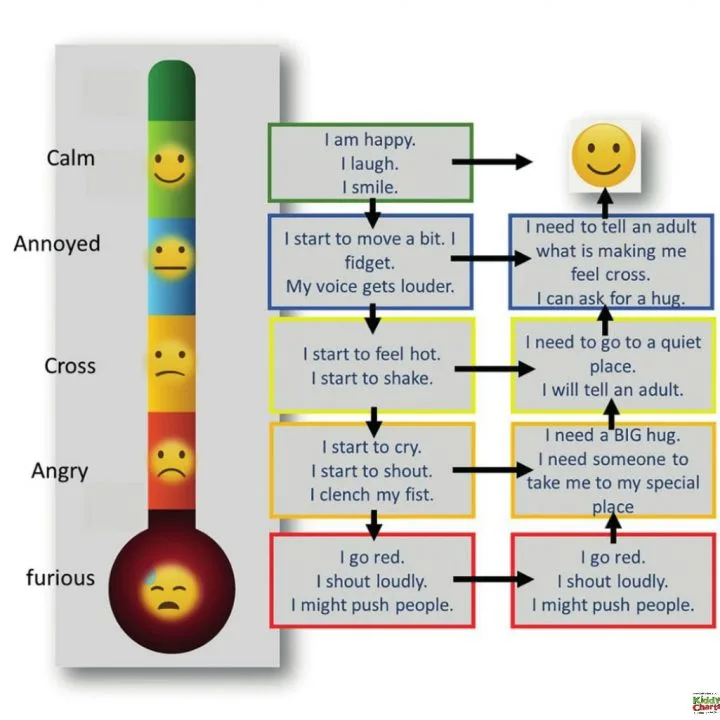
Anxiety in kids: Download these tools today to help your kids to talk
Some tools for you to help alongside these ones we have already provided.


Care 4 Me Reward Charts – Reduce separation anxiety today!
If your child suffers from separation anxiety - why not try our free care charts too?


Free worry tree to help ease your kids fears
A worry tree to help younger children voice, and externalise their anxieties.

5 ways to use reading to help anxiety in kids: Includes FREE friendship bookmarks and book bundle giveaway #TimeToRead
Using reading to help reduce anxiety too.
There are others from more great providers too, so if you have time, why not pop along there as well.
Anxiety and fear resources off site
Here are some other resources off site that you might want to check out around anxiety.


Parenting 101: Top Tips To Prevent Anxiety In Kids
Some tips to help prevent anxiety - though of course, we are talking overwhelming anxiety. A little worry in our children is 100% natural and it is important for children to understand this too.


Parental Anxiety: How to NOT Pass on Your Anxieties to Your Kids
This is important. We should not be blamed for anxiety in children as parents. We would do wise to acknowledge that our own emotional regulation is important in helping our children to learn to regulate their emotions. Anxiety is no different. We set examples in other ways, and it is important to do the same with our emotional intelligence.

Recognizing the Signs of Anxiety in Kids and Teens
Some support and help for recognising anxiety in our children. It is, of course, important not to self-diagnose social anxiety, or general anxiety disorder, so it is always important to get a professional, medical view.
Do come back again soon,
Helen
These worksheets are © KiddyCharts 2026. Please respect our copyright and do not use them for commercial purposes. For more free printables for kids, visit KiddyCharts regularly.
Helen Neale

Helen is a mum to two, social media consultant, website editor and a qualified counsellor with experience of working with both children and adults. She is a registered member of the British Association of Counselling and Psychotherapists, with her own private practise. She also freelances with her local Mind organisation. Since giving up being a business analyst when juggling travel, work and kids proved too complicated, she founded KiddyCharts so she could be with her kids, use those grey cells at the same time, and supplement her counselling income. KiddyCharts has reach of over 680k across socials and the site. The site works with big family brands to help promote their services, as well as offering free resources to parents of kids under 10. She is a specialist counsellor for neurodivergent individuals and brings this expertise to her resources and the site. She is also an ADHDer herself. KiddyCharts gives 51%+ profits to charities, focused on supporting mental health and a community in Tanzania Helen has also worked as a digital marketing consultant (IDM qualified) with various organisations, including Channel Mum, Truprint, Talk to Mums, and Micro Scooters. She loves to be creative in the brand campaigns she works on. Get in touch TODAY!