

Setting goals can be an exciting and motivating way for kids to start a new school year. Whether they’re learning at home, in a homeschool setting, or in a classroom, a simple and creative goals one-pager can help guide students towards a meaningful and positive experience. This back to school goals sheet provides a chance for kids to dream big, reflect on their aspirations, and identify new skills they’d like to master, all while keeping the process fun and approachable.

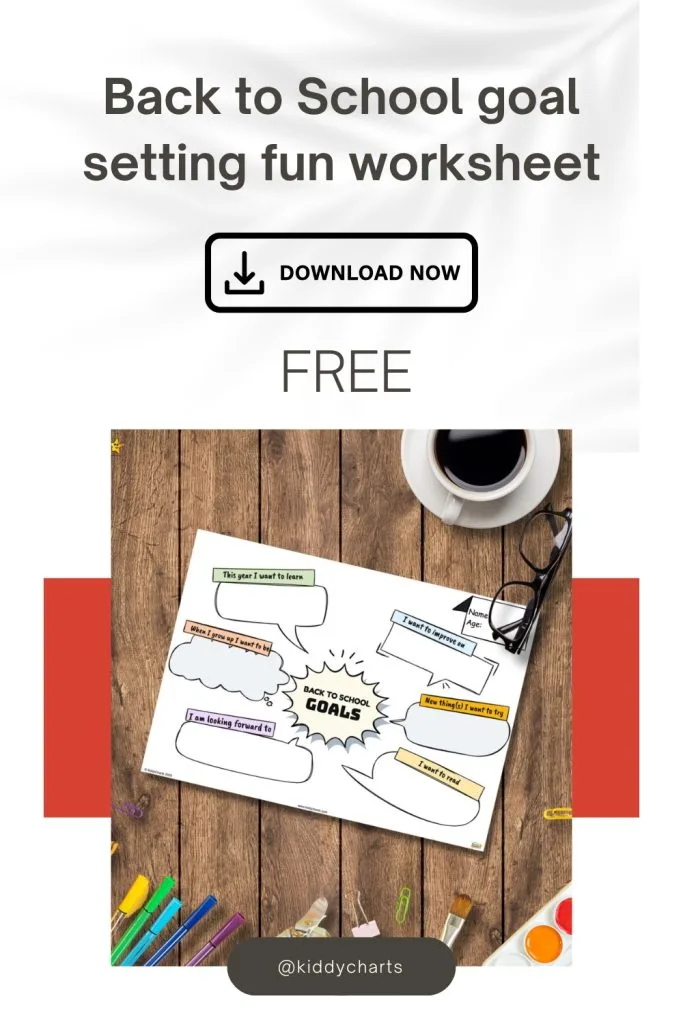
Inside the back to school goals one pager
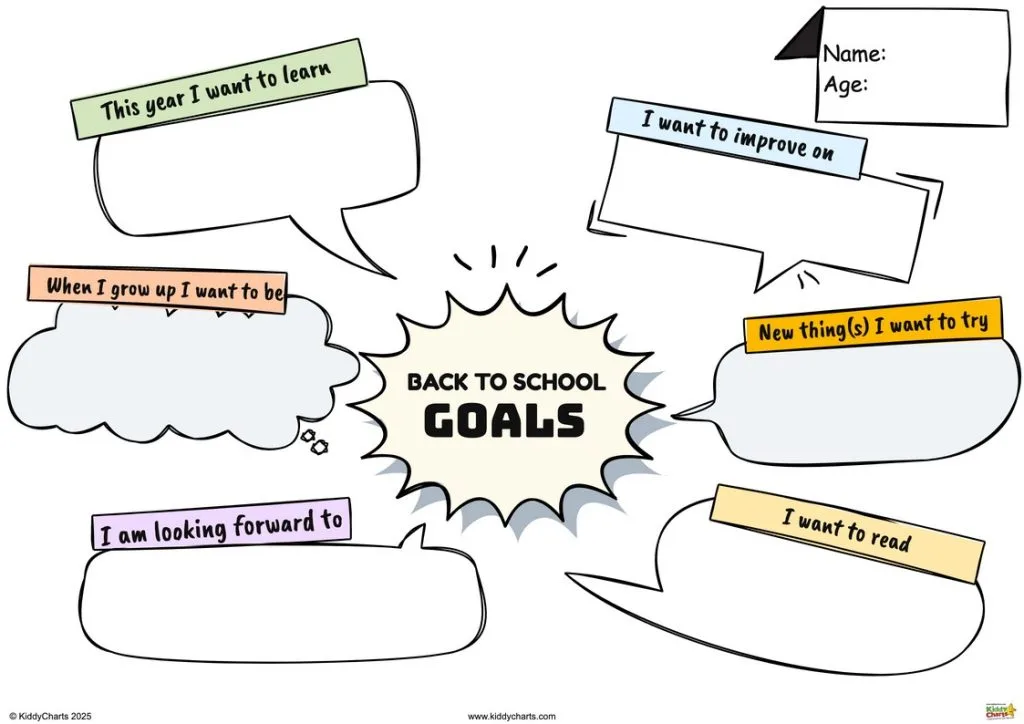
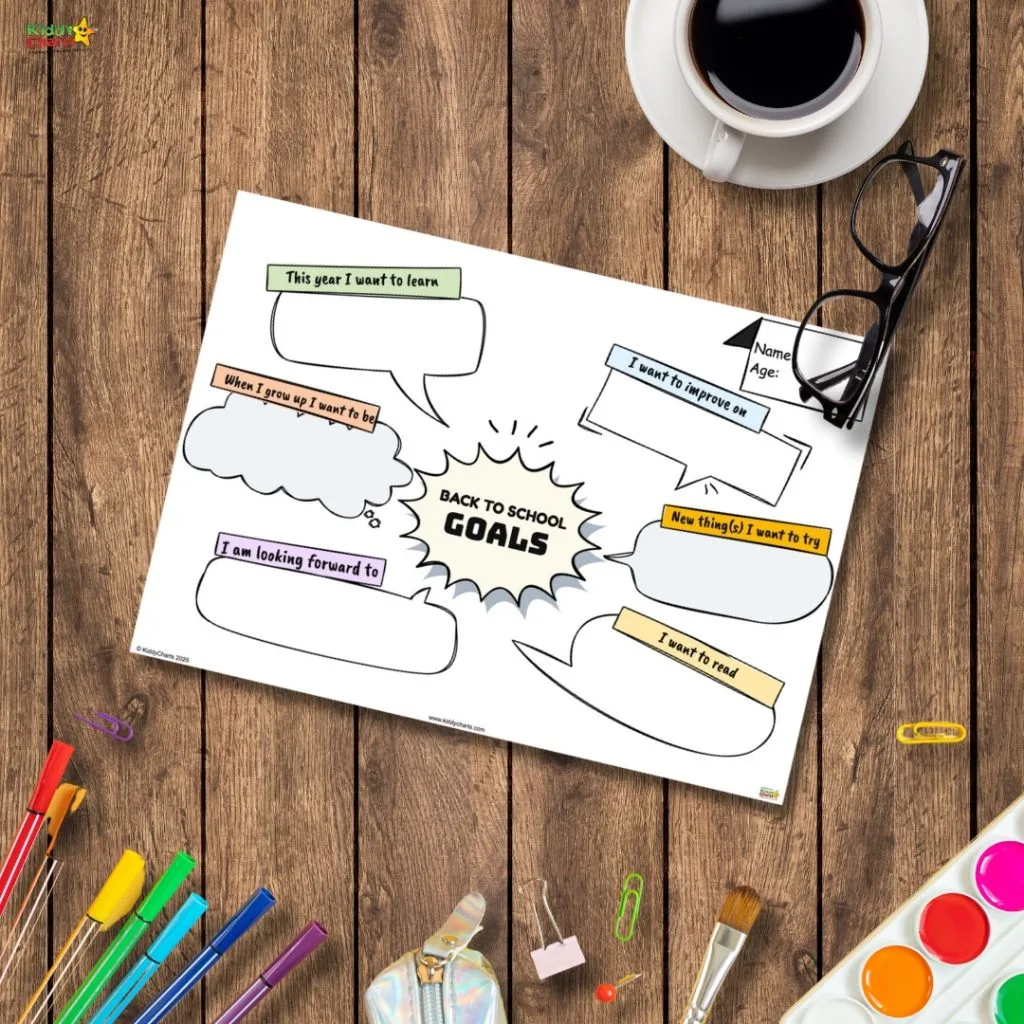
This single worksheet includes several engaging sections that encourage kids to think about their goals. Here are the different ideas you’ll find on the sheet:
- “This Year I Want to Learn…”
A place for kids to write down the subjects, hobbies, or ideas they’d love to learn about. - “When I Grow Up, I Want to Be…”
Inspires children to envision their future and dream about the careers or roles they’re interested in. - “I Am Proud of…”
A section for reflection, allowing kids to recognize and celebrate achievements they’re already proud of. - “I Want to Improve On…”
A motivational prompt to help students identify areas where they’d like to grow. - “New Things I Want to Try…”
Perfect for listing new experiences, activities, or skills they’d like to explore during the year.
How to use your goals sheet
There are so many creative ways this goals one-pager can be used, depending on your unique learning environment or family dynamic:
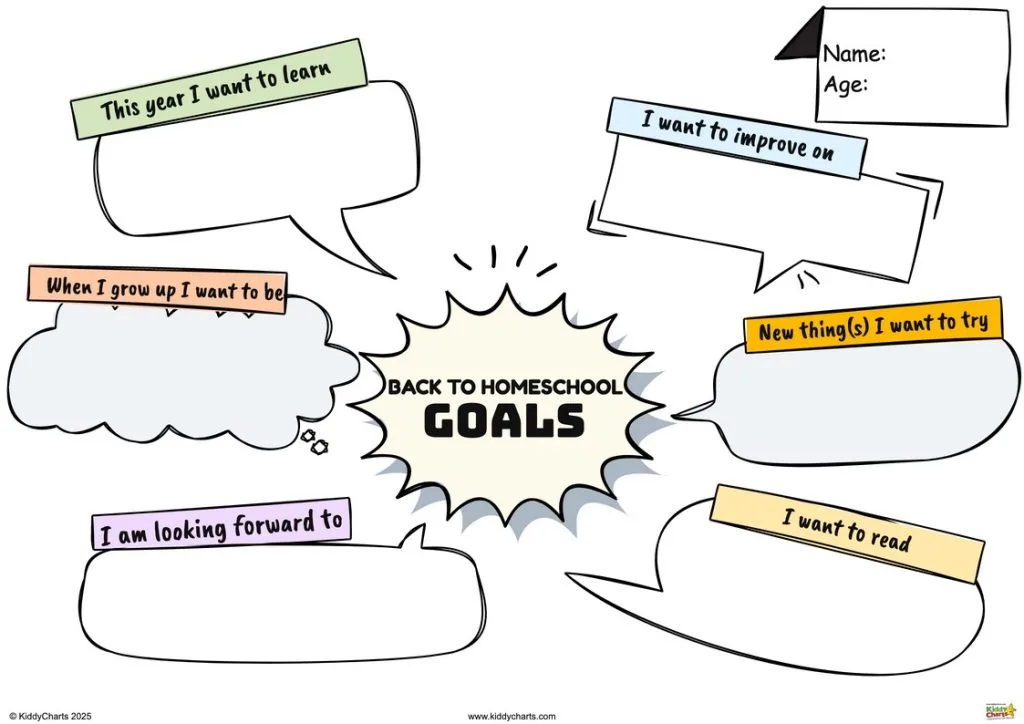
For homeschoolers
- Kickoff activity: Begin your homeschool year with a “goal-setting morning,” where kids can fill out the sheet before starting new lessons.
- Family check-ins: Use this as a reference during regular parent-student discussions to see how their interests and goals are evolving over time.
- Portfolio keepsake: Place the one-pager in their homeschool portfolio as a personal record of their growth and aspirations.
In the classroom:
- Orientation week icebreaker: Hand these out during the first week of school to learn more about your students’ interests and ambitions.
- Parent-teacher communications: Share completed sheets with families to give them insight into the child’s goals and milestones.
- Classroom display: Post the sheets (with student permission) on a bulletin board to build a sense of community and shared goal-setting.
For parents in the home
- Encourage individuality: Give this to kids as an independent activity to encourage reflection and self-expression.
- Tie in rewards: Set small rewards for milestones tied to their goals, like a special outing for trying a new skill.
- Mid-year revisit: Use it as a tool to check back on progress and re-evaluate goals midway through the year.


Why goal setting helps our kids wellbeing
When kids set goals, they take ownership over their learning and personal growth. This process can spark motivation, build self-confidence, and give them a sense of direction. It also helps them develop habits that will support resilience and self-discipline.
However, it’s equally important to approach goals with a mindset of self-compassion. Sometimes, life gets in the way, or kids discover that their initial goals don’t align with their interests anymore. Here it is important to also help our children to understand that not meeting a goal doesn’t mean failure. It means they’re learning more about themselves and adjusting as they grow.
One of the most important things that we can teach both ourselves and our kids is that make mistakes, or knowing when to move onto something else doesn’t mean that we have “failed” it means we are re-assessing, and knowing when something isn’t working for us anymore. Being able to see that, and do something about it, empowers our children to take control of their own learning and environment. This is how our children can learn to advocate for their own needs with compassion and acceptance of themselves: a hugely important life skill.
Tips for building self-compassion
Having compassion for ourselves when we don’t do what we thought we might, so we don’t meet one of our one pager goals perhaps is hard to learn. We can support our kids compassionate learning by:
- Celebrating effort: Praise them for trying, even if the goal wasn’t fully achieved.
- Focus on small wins: Highlight smaller accomplishments along the way to encourage the idea that progress forward is just as important as the achievement of that end goal.
- Reframe setbacks: Help them see challenges not as failures, but as opportunities to learn, improve, and adapt.
By fostering an environment where aspirations are encouraged and failure isn’t feared, you’re setting the stage for kids to develop a healthy, balanced approach to growth.
Getting that balanced approach to the school year
The “Back to School Goals” one-pager is more than just a paper activity. It is a helpful tool for reflection, self-expression, and planning. Whether you’re a homeschooling parent, a classroom teacher, or a caregiver looking for ways to make the start of the school year meaningful, this resource can provide joy, structure, and a chance for kids to dream — while reminding them that growth is a process. Keep it fun, stay flexible, and encourage self-compassion where you can.
We hope that you have found this useful – to download the resource use the button or the image below:

Why not check out some of the other back to school ideas here:
And on other sites too:
We hope you come back again really soon.
Helen


Helen Neale

Helen is a mum to two, social media consultant, website editor and a qualified counsellor with experience of working with both children and adults. She is a registered member of the British Association of Counselling and Psychotherapists, with her own private practise. She also freelances with her local Mind organisation. Since giving up being a business analyst when juggling travel, work and kids proved too complicated, she founded KiddyCharts so she could be with her kids, use those grey cells at the same time, and supplement her counselling income. KiddyCharts has reach of over 680k across socials and the site. The site works with big family brands to help promote their services, as well as offering free resources to parents of kids under 10. She is a specialist counsellor for neurodivergent individuals and brings this expertise to her resources and the site. She is also an ADHDer herself. KiddyCharts gives 51%+ profits to charities, focused on supporting mental health and a community in Tanzania Helen has also worked as a digital marketing consultant (IDM qualified) with various organisations, including Channel Mum, Truprint, Talk to Mums, and Micro Scooters. She loves to be creative in the brand campaigns she works on. Get in touch TODAY!