


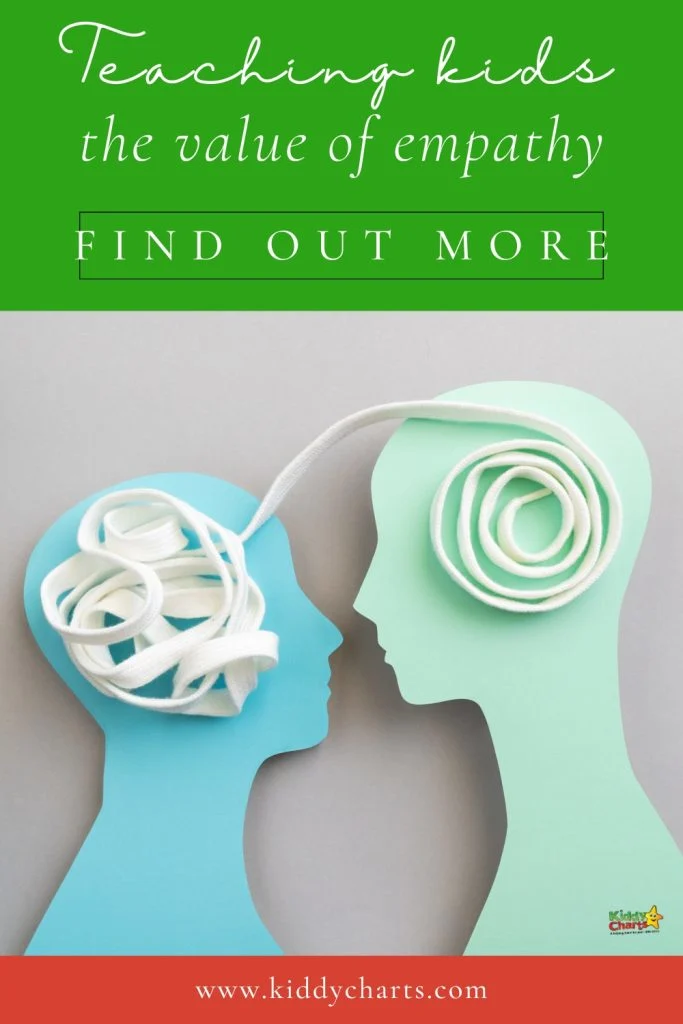
Empathy is the ability to understand the feelings of another person and try to relate to their experiences. It’s a skill that doesn’t come naturally to everyone, but it can be taught and developed. Children who have empathy are good at putting themselves in others’ shoes and providing comfort or support as needed. They also tend to have more emotional intelligence than their peers who lack empathy.
There are different types of empathy, including affective, somatic, and cognitive. Affective empathy is the ability to respond appropriately to another person’s emotions, while somatic empathy is the ability to actually feel how another person feels. Cognitive empathy is the ability to understand why someone responds a certain way to a situation. All three types are important for children to learn if they can to help them learn how to communicate. Here are some simple strategies to help you teach kids the value of empathy.
This is a collaborative post.

Model empathetic behavior
Children learn best by modeling the behaviors they see in their parents and others. Therefore, if you want to teach your kids empathy, it’s crucial to model it in your own life. You can do this by letting your children see you perform acts of kindness for others. These might include volunteering at a food kitchen, visiting a rest home, or coming up with thoughtful sympathy gift ideas for a grieving friend. If you can show your children that doing things for others is something you do willingly and with kindness then your children will learn that giving brings internal happiness.
You can also model empathy in the way you interact with your kids. Respond warmly and lovingly to them when they express their feelings. Help them talk through their emotions so they can understand themselves better and so that you can empathize with how they’re feeling. Let them know they are always safe to discuss anything with you, even if the subject matter is heavy. When you show empathy for your kids, they’ll be more likely to show empathy for other people.


Create opportunities for them to give
Hands-on giving is one of the most effective ways for children to learn and demonstrate empathy in their daily lives. While modeling empathetic behavior is important for you as a parent, it’s equally important for kids to be actively involved in helping others. However, children may not have the skills or life experience necessary to come up with these ideas on their own. That’s why it’s important for you as the parent to create opportunities for them to give.
You don’t need to arrange a complex fundraiser or other large event to teach kids the value of empathy. Small and simple things often work very well and can plant the seed of compassion in their hearts. Try urging your kids to donate toys and clothing they no longer use to Goodwill or other charitable organizations. You can also help them volunteer for local service opportunities, such as food drives or service projects for the elderly. Praise them for being willing to donate their time and energy to help others, so they’ll associate service with positive feelings.


Encourage empathy at home
Children often find it easier to be empathetic to friends and strangers than to treat their own siblings with kindness. If your kids fight frequently, try not to get too discouraged. It’s quite normal for siblings to fight with each other for various reasons. Some might fight because they’re competing for parental attention. Others may clash because of unavoidable personality differences.
It may not always be possible to keep peace in your home 100% of the time. However, you can encourage siblings to get along by teaching them how to have empathy for each other. Role-playing is a fun way to teach this concept and helps kids decide how they’re going to react in certain situations. For example, you could role-play a conflict over sharing toys and coach your kids through resolving the issue using empathy and respect. You could also teach your children active listening skills so they learn how to understand each other’s perspectives and feelings.


Read and analyze books
Reading books with your kids can be a fun, thought-provoking way to teach the value of empathy. Instead of simply reading quickly through books together, take time to analyze the actions of the various characters. Invite your kids to think about a character’s actions and analyze why they think the character responded a certain way. This may be a tricky exercise for kids at first, but they’ll become better at it with time and practice.
Once children become comfortable looking at a character’s actions through the lens of empathy, you can go one step further. Ask your kids to put themselves in the character’s shoes and consider whether they’d do things differently. Explain that people make different choices based on a variety of factors, including their background, belief systems, and emotional state. When we attempt to put ourselves in another person’s shoes, we can usually understand them better and feel more empathy toward them.

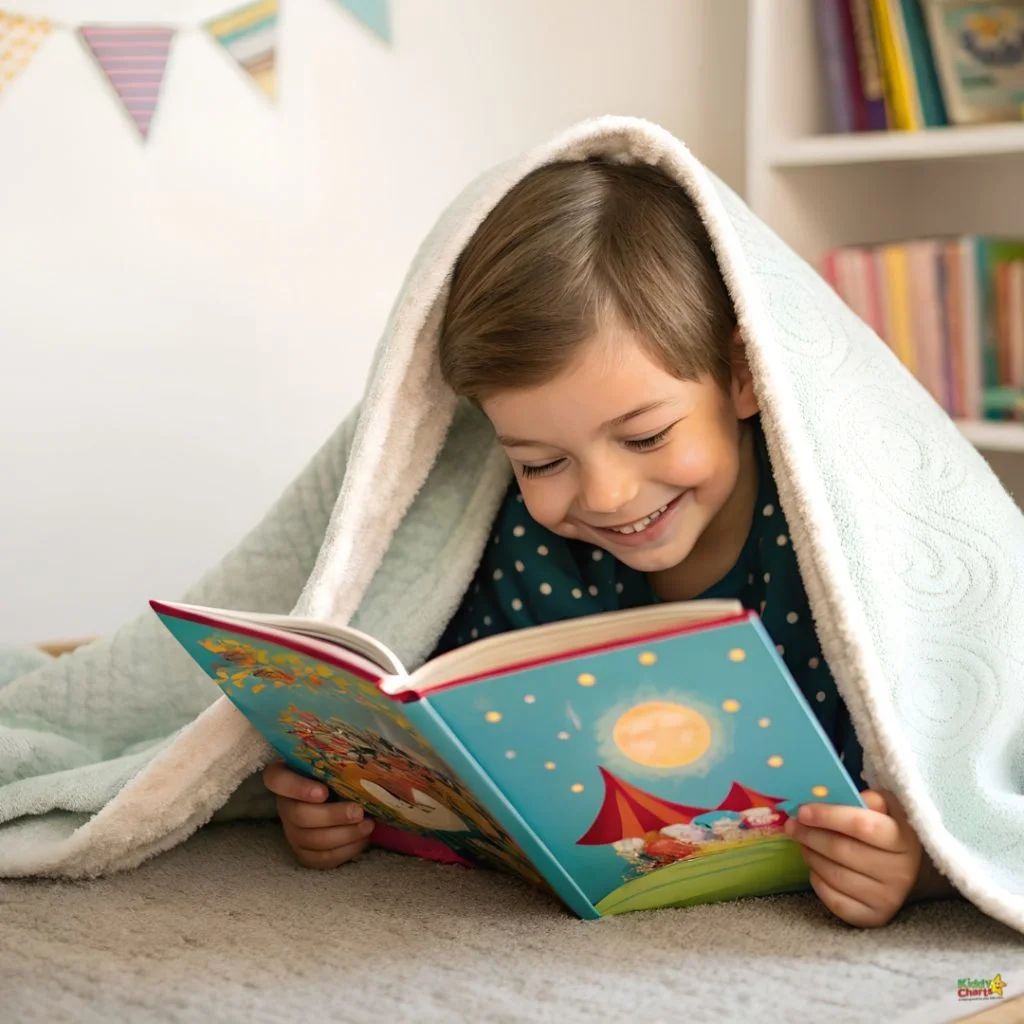
Empathy is a valuable interpersonal skill that can help children develop compassionate relationships. It can also help them understand their own thoughts and feelings better. Empathy enhances communication and promotes kindness.
If you would like other resources on Empathy – do check these out:
Other Empathy resources on KiddyCharts
Here are some more ideas for teaching empathy and kindness to our kids.
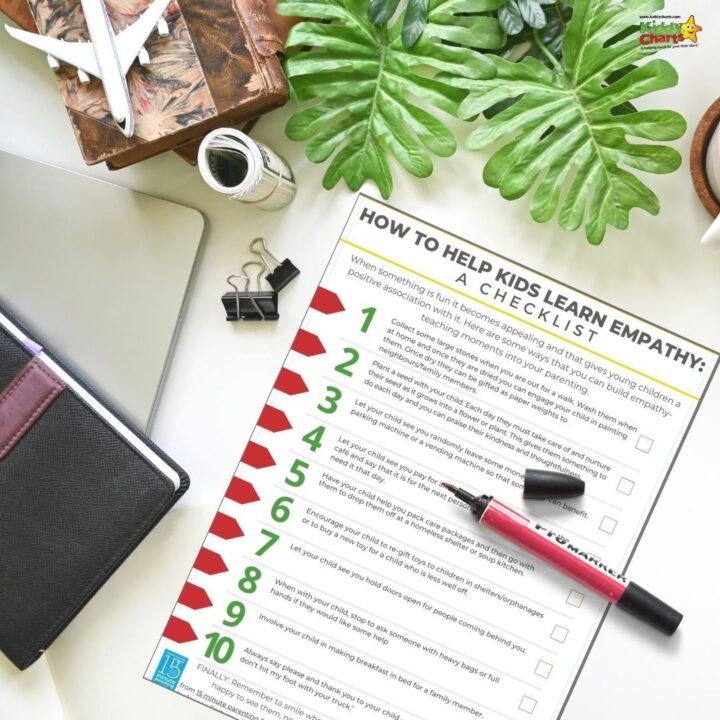
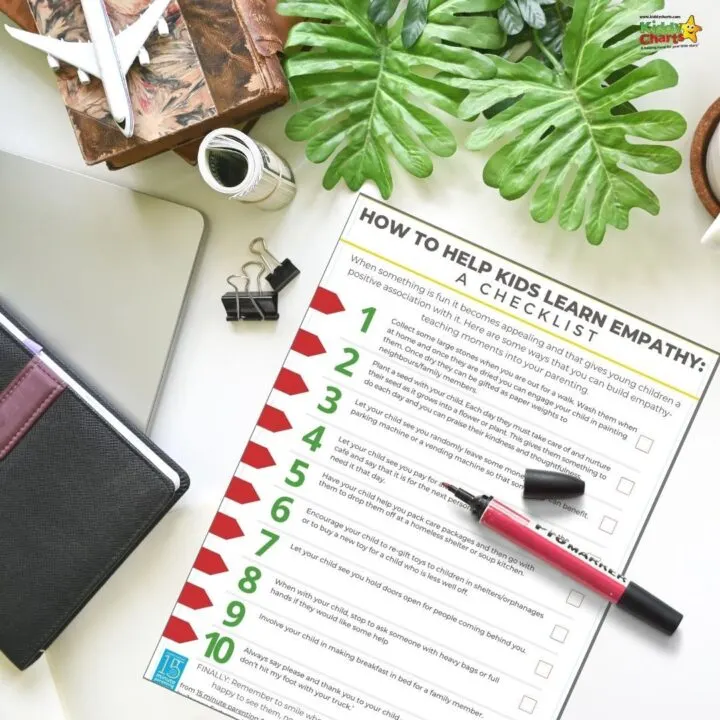
How to help your kids learn empathy: Includes checklist
How to help your kids really GET empathy, and this comes with a handy checklist as well.

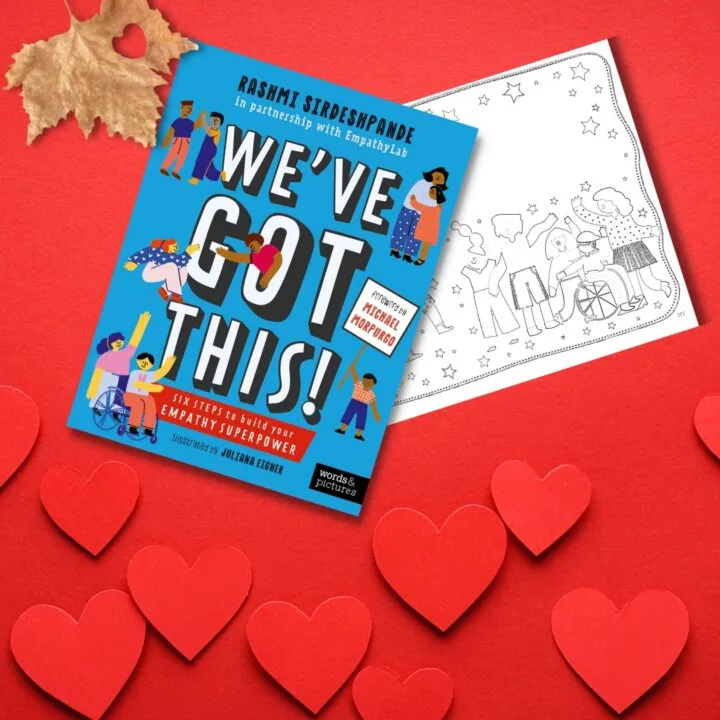
We've Got This eBook: Empathy activities and empathy teaching
This is a fantastic resource for supporting and understanding empathy in your children. Check it out, and our wellbeing bookclub as well.

Empathy for kids, and sympathy for parents!
A note on how important it is for us as parents to empathise with other parents - our parenting journeys are not easy!
Here are some more ideas for empathy based resources off the KiddyCharts site too:
Articles related to empathy and kindness offsite
Here are some articles from offsite that are related to empathy and kindness also worth taking a look at.
Empathy Bracelet Activity
This is an activity to help kids understand empathy using a bracelet. Check it out.


Teaching Children Empathy- 3 Activities To Help
Here are some activities to help encourage empathy within your kids.

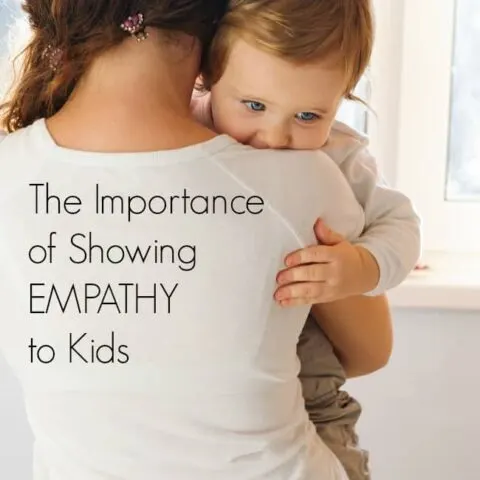
The Importance of Showing Empathy
Finally, what is the reason why it is important for us to show empathy. Check this article out to find out more.
It has been a pleasure having you on the site. Thanks for visiting, and why not either check out some of the other articles that we have on Kindness, or bookmark the site, so you can come back again easily.
Take care,
Helen

Helen Neale

Helen is a mum to two, social media consultant, website editor and a qualified counsellor with experience of working with both children and adults. She is a registered member of the British Association of Counselling and Psychotherapists, with her own private practise. She also freelances with her local Mind organisation. Since giving up being a business analyst when juggling travel, work and kids proved too complicated, she founded KiddyCharts so she could be with her kids, use those grey cells at the same time, and supplement her counselling income. KiddyCharts has reach of over 680k across socials and the site. The site works with big family brands to help promote their services, as well as offering free resources to parents of kids under 10. She is a specialist counsellor for neurodivergent individuals and brings this expertise to her resources and the site. She is also an ADHDer herself. KiddyCharts gives 51%+ profits to charities, focused on supporting mental health and a community in Tanzania Helen has also worked as a digital marketing consultant (IDM qualified) with various organisations, including Channel Mum, Truprint, Talk to Mums, and Micro Scooters. She loves to be creative in the brand campaigns she works on. Get in touch TODAY!